Reviewed · BARCELONA
A Day in Sants Feasting Off the Grid
Sants tastes better when you go off the grid. This 5-hour walk is built for real neighborhood food and for seeing Barcelona from a side street, not a postcard. I love how the route mixes classic places like vermuterias and bakeries with newer culinary projects, so you get both the old rhythm and what is happening now.
Second, I love the way the guide ties what you eat to what the neighborhood became, including the social story behind Sants. The group stays small, so you can ask questions as you go and not feel like you are following a rushed line. The main thing to consider is that this is not a Gaudi-photo tour or a hunt for Barcelona’s most famous tapas stops.
In This Review
- Key Points Worth Booking
- Sants Off the Tourist Route, With Food as Your Compass
- Meeting at Carrer de Sants and How the 5-Hour Walk Flows
- Stop 1 Sants: Vermuterias, Pastry Shops, Markets, and Modern Edges
- Stop 2 La Bordeta and Mercat de Sants Since 1913
- Stop 3 The Textile Factory Culture Center, With a Drink to Match
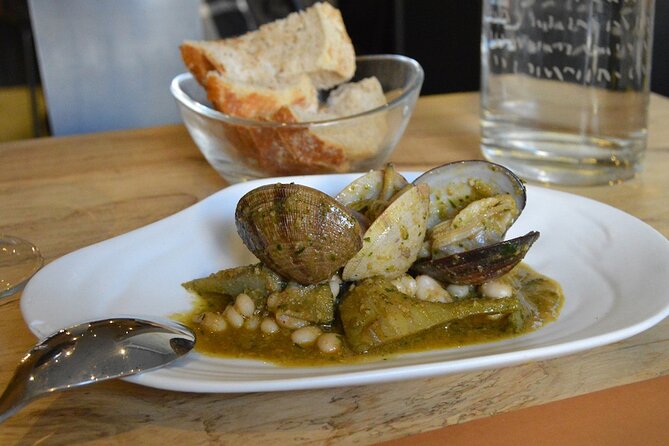
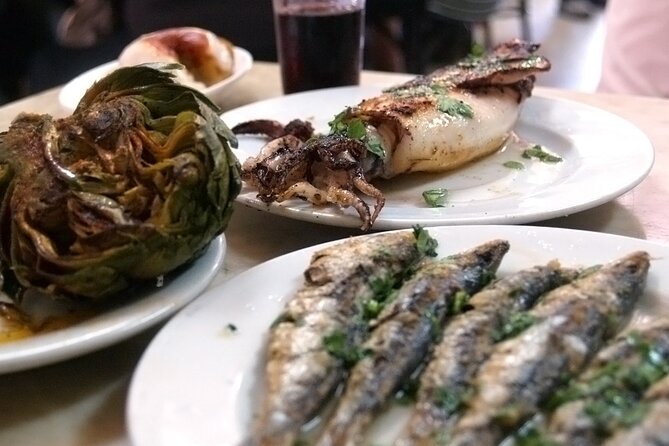
- What You’ll Actually Eat and Drink on This Walk
- Time for Boutiques, Souvenirs, and Less-Common Photo Stops
- Price and Value: Is $160 Worth It?
- Who This Tour Fits Best, and Who Might Want a Different One
- Practical Tips to Make Your Day Smoother
- Should You Book This Off the Grid Sants Food Walk?
Key Points Worth Booking
- Small group of up to 7 so you can ask questions and actually talk with your guide
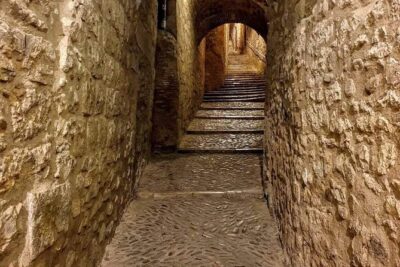
- Photo-friendly Sants streets that most visitors skip, with markets and older shop fronts
- Lunch plus snacks and alcoholic drinks included, so you are not doing constant stop-and-start spending
- Market-first start at Mercat de Sants, a place operating since 1913
- Vermut + tapas style pacing, plus seasonal menus that change as you eat
- A textile-factory-to-community-center stop that explains why Sants matters beyond food
Sants Off the Tourist Route, With Food as Your Compass
Barcelona has two speeds. One is the famous one, full of big sights and big crowds. The other is slower, where food leads and you learn the city by what people buy, snack on, argue over, and come back for every week.
This tour leans hard into that second speed. Sants is not trying to be Barcelona’s greatest-hits playlist, and that is exactly why it works. You will spend your morning and early afternoon in a neighborhood with a strong local food scene, but also with history you can feel in old markets, long-standing bars, and shop windows that look like they were built for locals, not tourists.
The best part is how the stops connect. You are not just collecting bites. You are building a picture of how Sants became the neighborhood it is today, then seeing what it is becoming through newer food projects.
Meeting at Carrer de Sants and How the 5-Hour Walk Flows
You meet at Carrer de Sants, 109 in Sants-Montjuïc at 9:00 am. From there, the tour keeps a steady walking pace, with each stop timed around eating. You should expect a half-day feel, around 5 hours total, with the tour ending back at the meeting point.
Why that matters: when meals are planned into the route, you waste less time guessing where to go next. It also helps you keep your energy up, since you will have snacks and lunch along the way, not just small tastes scattered between long gaps.
And since the tour caps at 7 travelers, you are less likely to feel shuffled along. You can pause, ask questions, and get real guidance on what you are seeing, especially around markets and older food shops.
Barcelona rewards the wandering, here are a few more stops worth adding.
- Barcelona: Sagrada Familia Entry Ticket with Audio Guide
★ 4.6 · 105,312 reviews - Barcelona: Park Güell Admission Ticket
★ 4.4 · 76,534 reviews - Barcelona: Casa Batlló Entry with Self-Audioguide Tour
★ 4.7 · 25,359 reviews
Stop 1 Sants: Vermuterias, Pastry Shops, Markets, and Modern Edges
The first part sets the tone in Sants. This is where you get your bearings in the neighborhood’s food world without spending the day hopping between far-flung areas.
You will hit places like markets and older vermuterias, then move through pastry shops and more casual local restaurants. The goal here is simple: you start with everyday Barcelona food culture, then you also notice the newer projects that are growing in the same streets.
One smart thing about this stop is the expectation it sets. You are not being sent to the neighborhood’s most famous architecture spots, and you are not trying to complete someone’s top-tapas checklist. Instead, you are learning what Sants eats and why, through the places people actually use.
The photo value is real too. Sants has a more working-neighborhood look than the central areas, so you will likely get shots that feel more honest: shop signs, market textures, bar interiors, and the kind of street life you can’t easily recreate on purpose.
Stop 2 La Bordeta and Mercat de Sants Since 1913
After the initial Sants intro, the tour shifts toward La Bordeta and leans into one of the neighborhood’s anchors: Mercat de Sants. You will start with a hearty breakfast in the restored market, and it is been in business since 1913.
Markets are more than pretty architecture or a place to buy souvenirs. They are where a neighborhood makes daily decisions. You can see what is in season, what vendors emphasize, and how locals expect their meals to start. Starting here gives you context fast, because the rest of your walk makes more sense once you understand how food is organized locally.
From the market, you continue through La Bordeta’s food shops and restaurants, both older and newer. Menus change with the seasons, so tastes shift based on what the area offers at that time of year. That is a subtle detail, but it changes the whole experience. You are eating what fits now, not what never changes.
This stop also includes a classic Barcelona mode: old-school bodegas and bars where you try vermut with tapas among wine casks. It is the kind of setting that teaches you how these drinks and small plates fit into local life, not just as a one-time taste.
Then the route turns sweet. You will pass small bakeries and chocolate shops for handmade sweets. This is where you often notice whether a tour is serious about food quality. The emphasis here is on treats that feel made for sharing slowly, not wrapped for speed.
Stop 3 The Textile Factory Culture Center, With a Drink to Match
You do not leave Sants after the food. The last stop is designed to answer the question people often have in Barcelona: where do neighborhoods fit into the bigger story?
Here you visit a major 19th-century textile factory that, after decades of disuse, local people transformed into a cultural center. This is not just a photo stop. You learn about community organizing in Sants and what makes the neighborhood special in a civic sense.
What makes this stop feel practical is the way it is built into the day. You spend time with more Sants food and a drink while the guide connects the dots between industry, community action, and today’s use of the space.
The cultural center also has its own bar and microbrewery. So you get a final taste that feels linked to the neighborhood’s present, not just its past. It is a good ending point because you leave with a stronger sense of place, not only a full stomach.
What You’ll Actually Eat and Drink on This Walk
You are not paying for a vague sampling plan. The inclusions are specific: snacks, alcoholic beverages, and lunch are part of the tour price. Admission tickets for the day’s stops are also free, which keeps the experience from turning into a bunch of add-on payments.
Food-wise, you should expect a mix of:
- Market bites and breakfast foods tied to what is currently sold
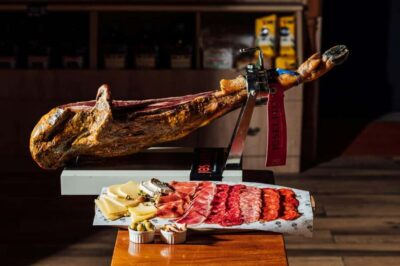
- Vermut with tapas in older bar settings
- Casual restaurant dishes that reflect what locals order and what is seasonal
- Handmade sweets from small bakeries and chocolate shops
A helpful way to think about the pacing: the tour is designed so you keep moving, but you rarely feel like you are waiting around. You get a sequence of tastes that follow how locals might actually snack across a neighborhood morning and early afternoon.
One more practical note: since alcohol is included, you should plan accordingly. If you want to keep the day easy, pace yourself, drink water when you can, and treat the food stops like a meal, not a shot list.
One ticket rarely covers it all. Here's what else is nearby.
- Barcelona: Montjuïc Cable Car Roundtrip Ticket★ 4.5 · 22,368 reviews
- Barcelona: Hola Barcelona Public Transport Travel Card★ 4.5 · 20,985 reviews
- Barcelona: 24 or 48-Hour Hop-On Hop-Off Bus Tour★ 4.4 · 20,872 reviews
- Barcelona: Park Guell Guided Tour with Skip The Line Entry★ 4.7 · 17,563 reviews
- Barcelona Aquarium: Entry Ticket★ 4.4 · 16,717 reviews
- Barcelona in 1 Day: Sagrada Familia, Park Guell,Old Town & Pickup★ 5.0 · 13,541 reviews
Time for Boutiques, Souvenirs, and Less-Common Photo Stops
One of the tour’s best features is that it is not only about food inside doors. You also get time to browse local boutiques and buy souvenirs that you will not find everywhere.
In most city tours, shopping time is tacked on at the end, which turns it into pressure. Here, it fits the neighborhood wandering. You see shop windows while you are already in the area, so shopping feels optional and natural rather than forced.
Photo-wise, Sants gives you variety. You get market scenes, older storefronts, bar interiors, and street views that do not scream tourist zone. If you like taking pictures that look like real life, this is one of those days where your camera will not feel bored.
Price and Value: Is $160 Worth It?
At $160.00 per person for about 5 hours, the value depends on what you usually spend on food in Barcelona. If you like eating well and you do not want to build your own plan from scratch, this price can make sense because several things are bundled.
You get:
- Lunch included
- Snacks throughout
- Alcoholic beverages included
- Admission tickets for the stops are free
- A small-group guide to steer you to the right places
What you do not get is private transportation. The tour is structured as a walk-and-eat format, and that keeps the cost from turning into a day of transit fees.
My practical take: the best value is for people who want guidance in a neighborhood they might not navigate on their own. If you already know exactly where you want to eat and you are comfortable building a day by yourself, you might spend less elsewhere. But if your goal is to enjoy a planned sequence of places, including the history behind the food, this price is buying convenience plus context.
Who This Tour Fits Best, and Who Might Want a Different One
This tour fits best if you:
- Want food that feels local, not curated for visitors
- Prefer neighborhoods with real everyday energy over famous monuments
- Like learning how people shaped a place, not just what to order
- Appreciate small groups and conversation
It is also a good choice if you like photos but want them to mean something. Sants is less polished for postcards, which makes it more interesting for people who enjoy street detail.
Who might pause: if your top priority is iconic Barcelona sights, this is not that kind of tour. You are looking at markets, bars, and community spaces. That is the point. You will still get plenty of culture, but not the usual headline architecture.
Practical Tips to Make Your Day Smoother
These are small things that make a big difference on an eating walk like this:
- Wear comfortable shoes you can move in for several hours. You will be walking through multiple neighborhood areas.
- Come ready to eat. This is built around breakfast, snacks, and lunch, plus alcohol.
- Keep your questions handy. With a max group size of 7, you will get better answers if you ask as you go.
- Bring a phone for photos of older shop fronts and market details. Sants is visually photogenic in a low-key way.
If the weather turns bad, the experience can be canceled and you can get offered a different date or a full refund. So check your forecast around booking time and plan for flexibility.
Should You Book This Off the Grid Sants Food Walk?
If your idea of a great Barcelona day is food that comes with context, this is an easy yes. The mix of markets, vermuterias, sweets, and a community-focused cultural stop gives you more than a meal. You leave with a clearer sense of why Sants has its own identity and how locals use food and shared spaces to keep that identity alive.
I would especially recommend it if you want a break from the top sights and you are happy letting a neighborhood guide your day. Bring comfortable shoes, pace your drinks, and be ready to look closer at a side of Barcelona many people skip.