

Reviewed · GAUDÍ BUILDING TOURS
Barcelona: 2,5hr Art of Gaudí Segway Tour
Gaudí looks better on a Segway. I love the way this tour strings together Casa Batlló and La Pedrera with real city scenes, and I also love how the Segway system feels straightforward after the start training. One thing to plan for: entry tickets to sights are not included, so you’ll mostly enjoy exteriors and guided stops unless you buy separate admissions.
The guides set the tone fast. I’ve heard strong praise for Dani, including how he adapts the visit based on what you already saw by bus and keeps safety tight, and you may also meet guides like Maxime, Alberto, or Oscar. Expect a live guide, small-group handling, and multiple language options, from English to Arabic and Portuguese.
In This Review
- Key highlights to know before you book
- Segway Training at the Start, So You Can Focus on Gaudí
- From Mirador de Colom to Ciutadella Park: Your “Get Your Bearings” Loop
- Arc de Triomf and Eixample: Where Modernisme Becomes Street-Level
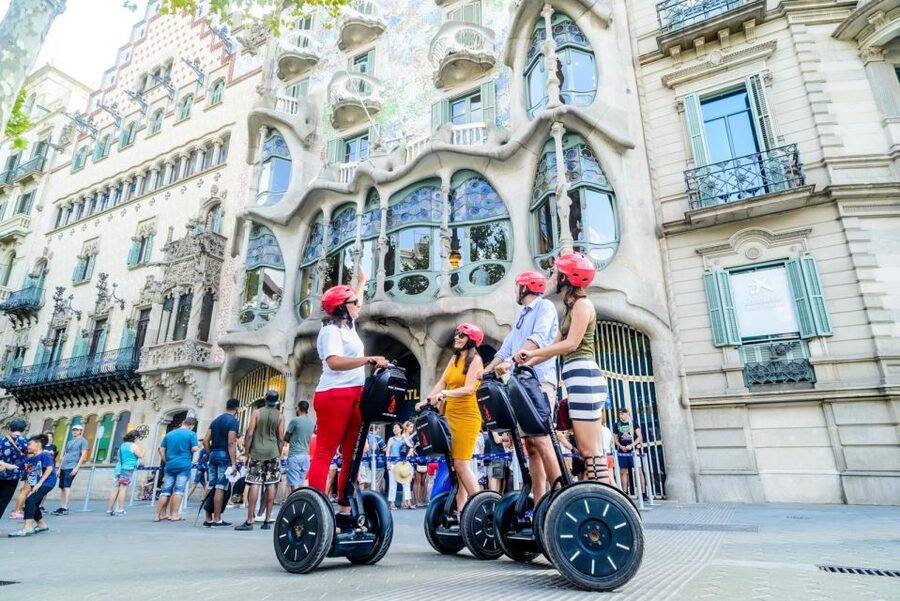
- Passeig de Gràcia: Casa Batlló and the Feeling of Fantasy in Stone
- La Pedrera (Casa Milà) Outside: Lasting Gaudí Work With a Rugged Edge
- Sagrada Familia: The City’s Most Important Ongoing Project
- Old City Flavor After Gaudí: La Monumental and the Born Area
- Price and Value for 2.5 Hours on a Segway
- Who This Tour Fits Best, and Who Should Skip It
- My Booking Recommendation: When to Choose This Segway Gaudí Tour
- FAQ
- How long is the Barcelona Art of Gaudí Segway Tour?
- How much does the tour cost?
- Where does the tour start and end?
- What’s included in the price?
- Are attraction entry tickets included?
- What languages are available for the live guide?
- Is there a minimum age requirement?
- Are there weight and height requirements?
- Who should not join the tour?
Key highlights to know before you book
- A real orientation first: training plus a safety briefing before you ride out
- You cover a lot in 2.5 hours: from Old City viewpoints to Eixample modernism
- Passeig de Gràcia front-row views: guided looks at Casa Batlló and La Milà (La Pedrera)
- Sagrada Familia on your route: see the most famous ongoing project from the street level
- Modernisme beyond the famous names: quick context as you pass areas like Eixample and its lesser-known façades
- Photo-stop pacing: short stops meant to keep you moving, not stuck waiting
Segway Training at the Start, So You Can Focus on Gaudí
This is a Segway tour, so your experience depends on how well the first minutes go. Plan on an initial safety briefing, plus instruction on how to ride before the route really starts. You’ll wear a helmet, and your guide will coach you on basic control so you can steer smoothly and stop safely.
That matters in Barcelona, because the route mixes busy sidewalks, street intersections, and photo stops. If you’ve never ridden before, this is still a reasonable first Segway outing as long as you follow instructions and don’t rush your learning. The tour requires you to be comfortable with the Segway rules, and it has specific limits for weight and height.
Also note the practical stuff: bring comfortable shoes and weather-appropriate clothing, and skip anything that makes you clumsy on a moving platform. Sunglasses help for the open viewpoints later.
From Mirador de Colom to Ciutadella Park: Your “Get Your Bearings” Loop
After the briefing, you start with classic city sightlines and quick guided context rather than long museum-style stops. The early rhythm is built for momentum: short photo stops, guided explanation, then back on the Segway.
You’ll pass by or stop near the Mirador de Colom and the El Cap de Barcelona area, both great for understanding the city’s geography. There’s also a stop at Pla de Palau lampposts associated with Antoni Gaudí. Even if you think you know Gaudí only through the big buildings, these smaller design details help you understand how his style shows up in public design too.
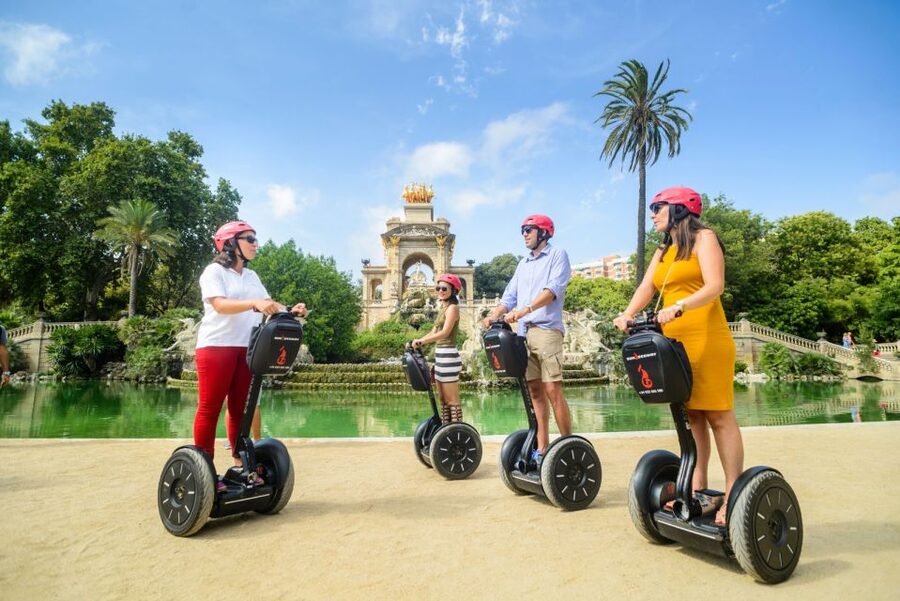
Then you glide into Parc de la Ciutadella, one of Barcelona’s biggest parks. This is where the tour becomes more than architecture sightseeing. In the park, you can spot the Parliament of Catalonia and Castell del 3 Dragons, and the guide explains how this connects to early Gaudí influence. You’re riding through a green space while still seeing institutional and landmark buildings, which is a nice contrast after the street-level density.
One consideration: parks and viewpoints can be breezy and bright. If you’re sensitive to wind, sunglasses and a light layer help.
Cover more ground, standing up
- Barcelona Segway Tour
★ 5.0 · 680 reviews - Barcelona Segway Tour
★ 4.7 · 630 reviews - Barcelona: City Highlights Guided Segway Tour
★ 4.9 · 624 reviews
Arc de Triomf and Eixample: Where Modernisme Becomes Street-Level
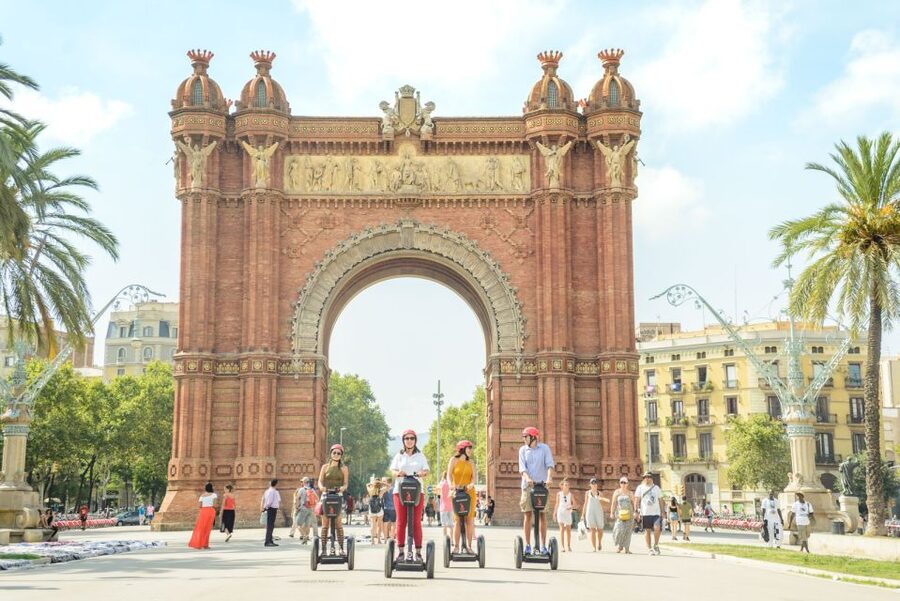
Next comes Arc de Triomf, tied to Barcelona’s Universal Exhibition of 1888. This stop is useful because it frames why Eixample feels like a design showcase rather than just a neighborhood. You’re transitioning into a more planned grid, and the guide’s job is to help you notice how architectural style maps onto city growth.
Once you cross Arc de Triomf, you’re in Eixample, one of the city’s most populated quarters and the area where many of Gaudí’s best-known works sit. You’ll also get a quick pass of other notable Modernisme buildings along the way, like Casa Calvet, Casa Amatller, and Casa de les Punxes. Even when you’re not stopping at every façade for a long look, this context makes the big stops mean more.
One of the best parts here is how you’re riding at city pace. It’s much easier to connect the dots when you’re actually moving through the streets rather than hopping by car or waiting in one spot.
Passeig de Gràcia: Casa Batlló and the Feeling of Fantasy in Stone
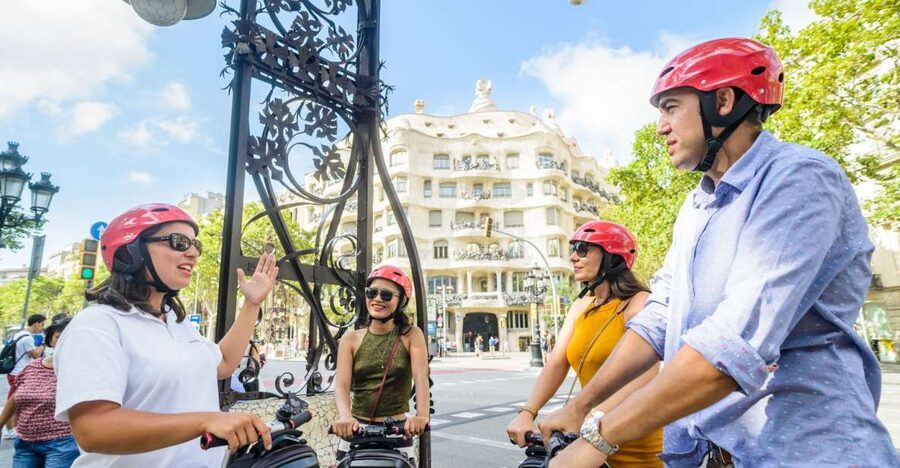
Passeig de Gràcia is where many people first go searching for Gaudí, and the tour doesn’t make you guess why. You’ll have guided photo-stop time along the boulevard, including the section with luxury shops. The guide talks you through what you’re seeing, so it isn’t just a quick walk-by.
Casa Batlló is a highlight. You’re guided to the façade and its character, with attention on the fantasy shapes and the way color and form work together. Even from outside, the building’s design reads like a story, and the guide helps you understand which elements are intentional rather than decorative.
Because entry to attractions is not included, you should adjust expectations. This tour is excellent for seeing the outside presence and hearing the architecture talk, but it’s not a replacement for an interior visit if you want the full experience inside these buildings.
Still, if you’re short on time or you want the architecture explained in context, this is the kind of stop that makes the whole trip feel worthwhile. You come away with a clearer sense of how Catalan Modernisme differs from standard “old world” styles.
La Pedrera (Casa Milà) Outside: Lasting Gaudí Work With a Rugged Edge
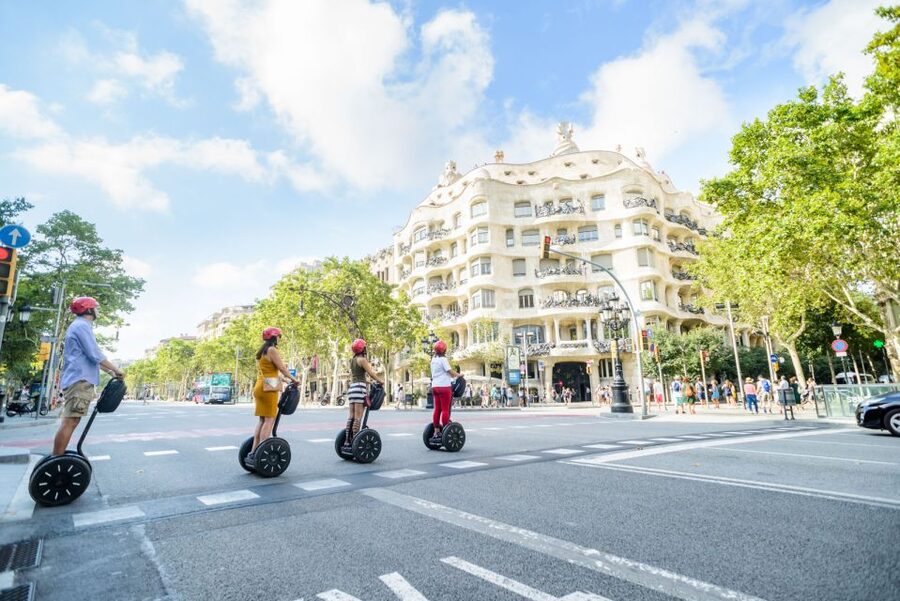
A little farther along the route you reach Casa Milà, popularly called La Pedrera. This is one of the last major works associated with Gaudí on the tour and it has a distinct exterior feel, more rugged and stone-like than the playful curves of Casa Batlló.
The tour includes a guided photo stop, so you’ll get time to look closely while your guide points out what to notice. The background detail also helps. Casa Milà was built in 1906, and it sat at the border between Barcelona and the village of Vila de Gràcia before the areas were fully annexed to the city. That border detail turns the building into something more than a façade. It’s a marker of Barcelona’s growing identity at the time.
If you’re photographing, go slow. The street scenes can be busy, and you’ll get better results by waiting for your guide’s timing rather than trying to rush your shots.
Sagrada Familia: The City’s Most Important Ongoing Project
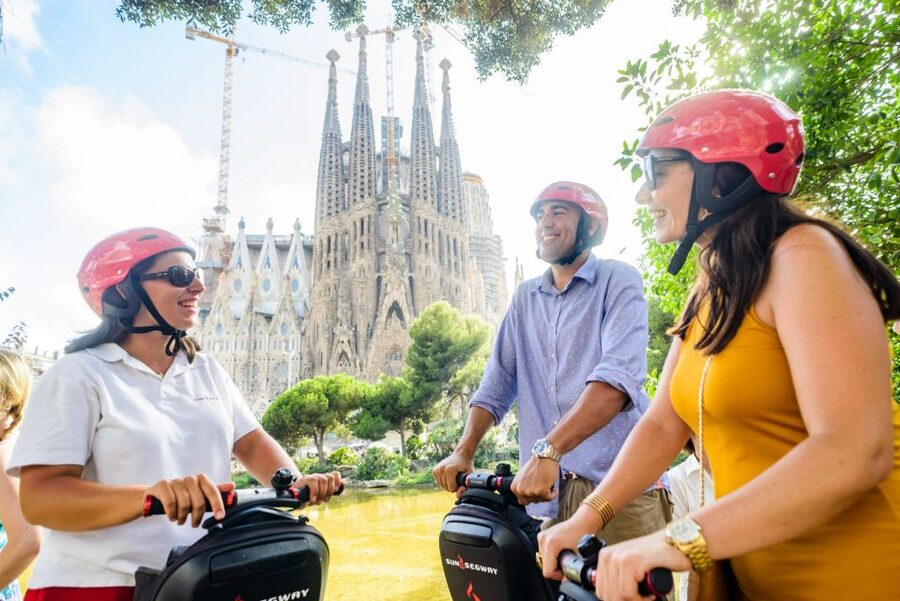
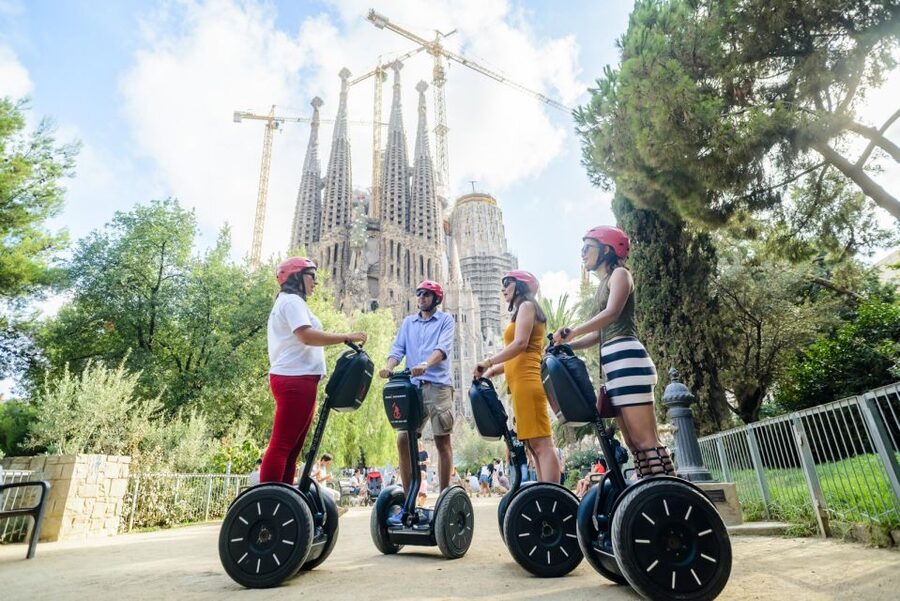
Now for the big one: Sagrada Familia. The tour stops at the site with guided context and photo time. Even without entering, you’ll get to see why it’s become the most visited monument in Barcelona.
Here’s the key idea to take away before you go: construction began in 1882, and it still does not have a final completion date. That unfinished timeline is part of its story and part of why the site feels both monumental and alive. Your guide should help you connect what you see to that long arc of design and planning.
If you want to go inside, you’ll need to arrange entry separately. The tour is still a smart way to orient yourself, because you’ll have already seen Gaudí’s style from the street and you’ll understand what to look for at Sagrada Familia.
Even if you’ve seen photos already, I find seeing it in the context of the surrounding neighborhood changes how it hits. Standing in the right spot and hearing the guidance helps you avoid the common problem of staring at details without knowing what matters.
More curves, barely a straight line
- Barcelona: Park Güell and Gaudí House Museum Entry Ticket★ 4.5 · 6,326 reviews
- Barcelona: Gaudí’s Park Güell Tour with Fast-Track Ticket★ 4.8 · 4,512 reviews
- Barcelona: Sagrada Familia, Modernism, and Old Town Tour★ 4.7 · 1,621 reviews
- Sagrada Familia & Gaudi Tour Private or Small Group with Tickets★ 4.5 · 1,188 reviews
- Complete Gaudi Tour: Casa Batllo, Park Guell & Sagrada Familia★ 5.0 · 1,152 reviews
- Barcelona e-Bike Tour: Gaudí & Old Town Small Group★ 5.0 · 769 reviews
Old City Flavor After Gaudí: La Monumental and the Born Area
One of the smartest choices about this tour is that it doesn’t treat Barcelona like a one-building theme park. After the main modernism stretch, you move through parts of the city that feel older and more local.
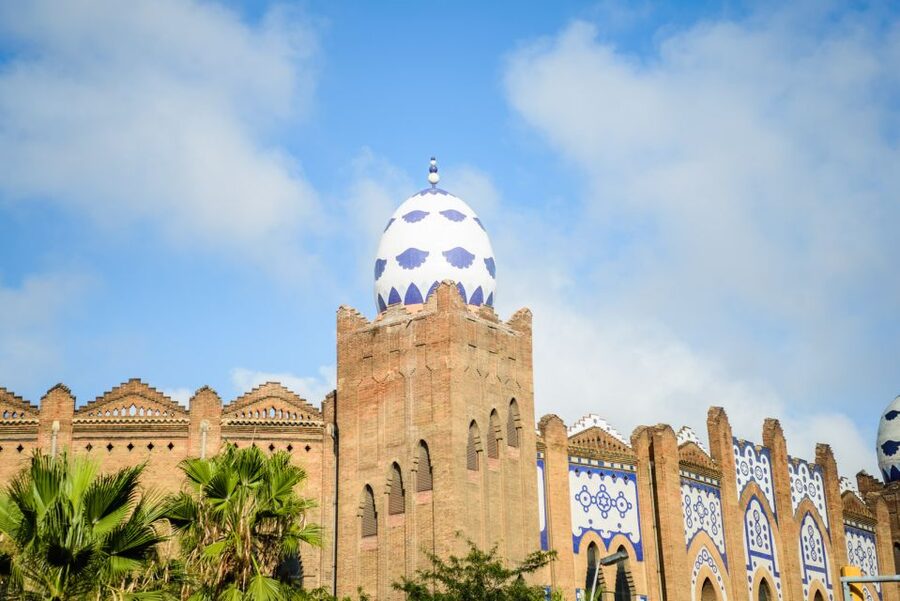
You’ll see La Monumental, an old bullring where bullfighting took place. In Catalonia, bullfighting was prohibited starting in 2012, and the guide explains that shift as part of the city’s evolving culture.
You also head toward the Born area, one of Barcelona’s oldest neighborhoods. The route includes stops such as the El Born Centre Cultural and a stop at the Basilica of Our Lady of Mercy. Earlier in the ride, you’ll also hear about Roman ruins and Santa Maria del Mar, which adds depth for anyone who wants Barcelona beyond Modernisme.
This mix is valuable because Gaudí didn’t appear in a vacuum. You’ll feel the layering: Roman-era traces, Gothic-era religious architecture, and then the Modernisme years when Barcelona tried something bolder.
And when the day gets busy, there’s still a payoff: you finish with a stop near the Parc del Mirador del Poble-sec, which gives you a chance to reset and look out over the city again.
Price and Value for 2.5 Hours on a Segway
At $42 per person for 2.5 hours, this tour is priced like an experience, not a ticket to one monument. The value comes from what’s included.
Included items are the Segway rental, a helmet, the training session, and a live guide. That’s important in Barcelona, where getting around quickly and safely can be a challenge on foot. When your route connects multiple neighborhoods and landmarks in one loop, the Segway component saves time and keeps the day from turning into a patchwork of separate rides.
What is not included is entry to attractions and any food and drinks. So if your priority is indoor access, you may spend extra on separate tickets. If your priority is guided architecture viewing from the street and parks, then you’re in the right lane.
In other words, I think this is good value if you want:
- architecture context in a short time
- efficient sighting of Gaudí’s main façades
- a guided way to understand Modernisme across different districts
Who This Tour Fits Best, and Who Should Skip It
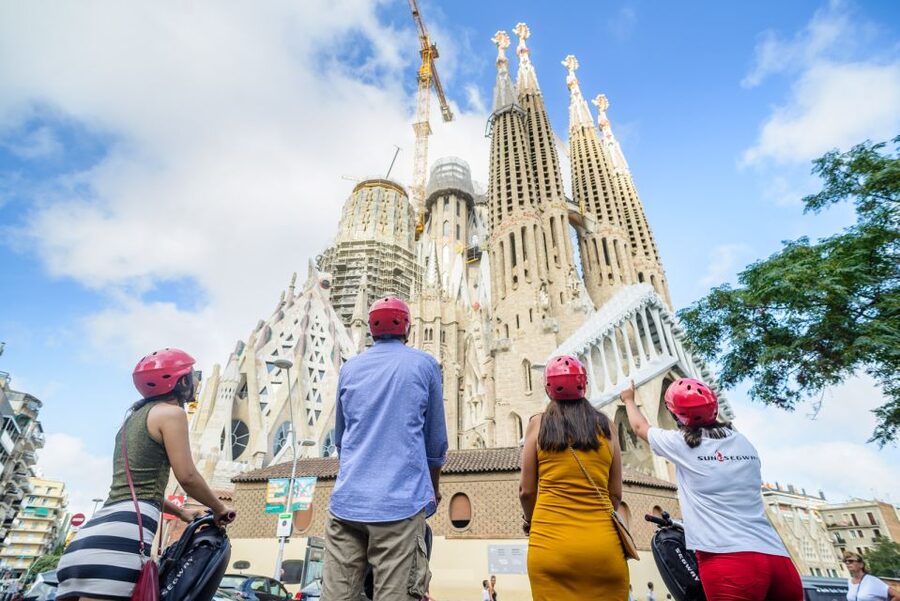
This is not for everyone, and that’s a good thing. The tour has clear rules to keep the riding safe.
It requires a minimum age of 14. For those under that age, you’ll join on e-bikes instead. You also need to meet weight and height requirements to ride on the Segway: 45 to 130 kg (99 to 286 lbs) and at least 150 cm. Pregnant women cannot join for safety reasons, and people with back problems are not suited.
If you’re comfortable following instructions, can stand and balance for the duration, and you want to see a lot without walking the whole time, you’ll likely love it.
Group size is another factor. Each tour can handle up to 30 participants, but large groups are divided into smaller groups of six or fewer, each with a professional guide. That structure often improves how much you actually get from the guide’s explanations, compared with tours where you’re just stuck behind a crowd.
Private group options are available too, which can be a better fit if you want quieter pacing or you’re traveling with people who learn at different speeds.
My Booking Recommendation: When to Choose This Segway Gaudí Tour
I’d book this tour if you’re the type who learns fast through direct visual context. You’ll see key Gaudí and Modernisme highlights like Casa Batlló, La Pedrera, and Sagrada Familia, plus a broader Barcelona route that includes Ciutadella Park and Old City neighborhoods like the Born.
I’d skip it or reconsider if:
- you mainly want paid interior access at attractions (because entry is not included)
- you can’t ride safely due to the weight, height, pregnancy, or back-problem rules
- you hate guided stops and prefer total freedom, since the pacing includes short photo moments and structured guidance
If you do book, I suggest you time it early in your trip if possible. The architecture context makes later visits easier to interpret, and you’ll know what neighborhoods you’re returning to.
FAQ
How long is the Barcelona Art of Gaudí Segway Tour?
The tour duration is 2.5 hours.
How much does the tour cost?
The price is $42 per person.
Where does the tour start and end?
The meeting point may vary depending on the option booked. The listed meeting and drop-off location is Passatge de la Canadenca, 6 (for the options shown).
What’s included in the price?
The Segway rental, helmet, training session, and a live guide are included.
Are attraction entry tickets included?
No. Entry to any attractions is not included.
What languages are available for the live guide?
The live guide languages include Spanish, English, French, Italian, Arabic, and Portuguese.
Is there a minimum age requirement?
Yes. The minimum age to participate on a Segway tour is 14. Younger participants join on e-bikes.
Are there weight and height requirements?
Yes. Participants must weigh between 45 and 130 kg (99 to 286 lbs) and be at least 150 cm tall.
Who should not join the tour?
It is not suitable for people with back problems, pregnant women, and children under 14 years. Alcohol and drugs are not allowed.
The latest to open for booking



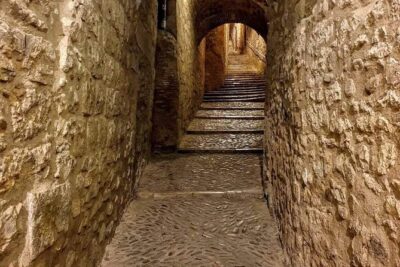


Gaudí Building Tours, side by side.
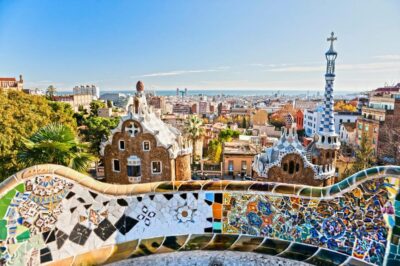
Park Güell and Gaudí House Museum Entry Ticket
Read our review →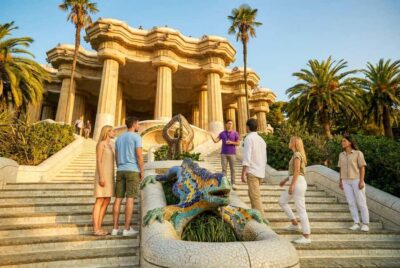
Gaudí’s Park Güell Tour with Fast-Track Ticket
Read our review →
Sagrada Familia, Modernism, and Old Town Tour
Read our review →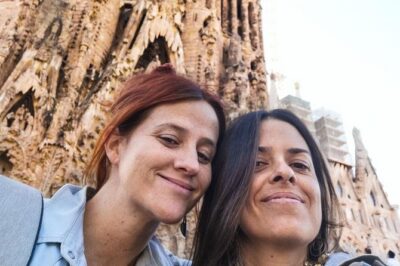
Sagrada Familia & Gaudi Tour Private or Small Group with Tickets
Read our review →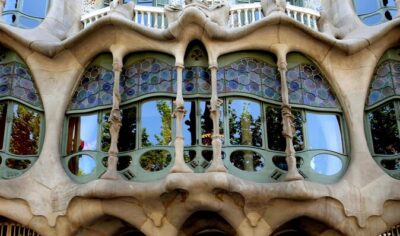
Complete Gaudi Tour: Casa Batllo, Park Guell & Sagrada Familia
Read our review →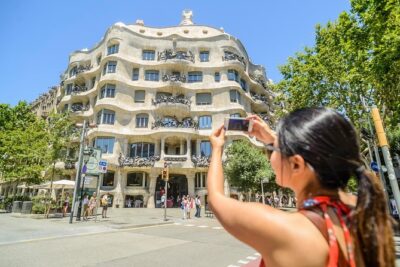
Barcelona e-Bike Tour: Gaudí & Old Town Small Group
Read our review →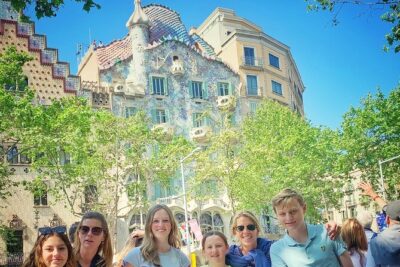
Ramblas, Old Town, Gothic and Gaudi Architecture Walking Tour
Read our review →
Gaudi´s Casa Vicens Skip the Line Ticket with Audioguide
Read our review →Where else this one turns up