Reviewed · TOURS & DAY TRIPS
Barcelona and The Future. Regular Tour
Future cities start with feet.
Barcelona and The Future is a walking lesson in how planning changes daily life, taught through the redesign of Poblenou’s former factory zone. I like that you don’t just admire buildings, you get the thinking behind them, from Cerdà’s grid to today’s ideas about carbon footprint and cradle-to-cradle design in 22@.
Two things I really like about this tour: the guide style and the set of stops. You’ll get an expert, architect-led perspective, and the route mixes headline modern icons with places that still feel grounded in the neighborhood. One possible drawback is that it’s concept-heavy. If you’re mainly hunting for postcard views, the urban planning talk may feel a bit like class.
In This Review
- Key things to expect on Barcelona and The Future
- Barcelona and The Future in Poblenou: why this walk feels different
- Meet Pia, Jelena, or Carmen: expert guides and a talk-friendly style
- Price and value for a 3-hour architecture walk
- Where it starts and how the 4:00 pm timing helps
- Stop 1, Torre Glòries: seeing the city as a design decision
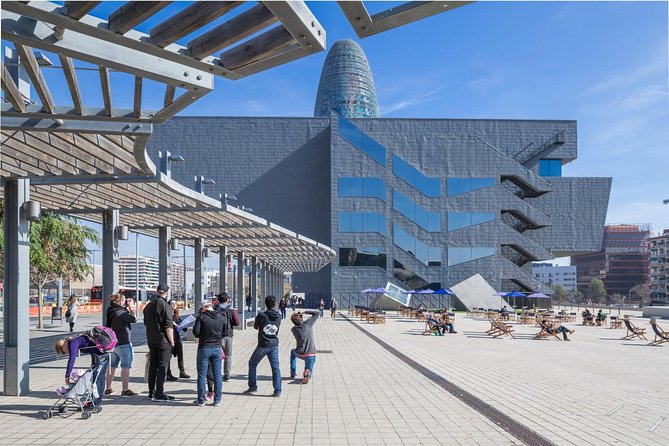
- Stop 2, Museum of Design: where architecture meets real-world life
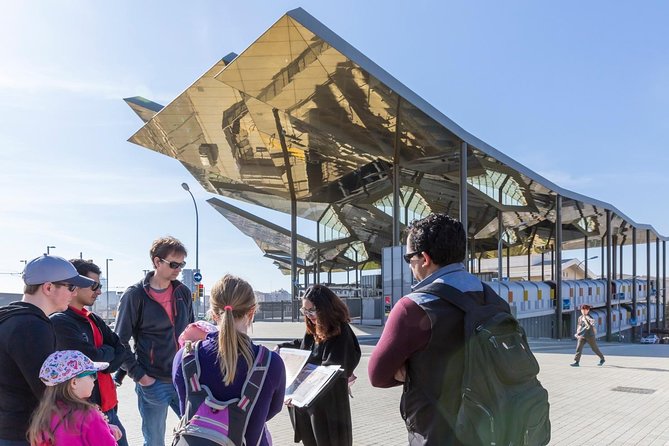
- Stop 3, Los Encantes Barcelona: industry’s afterlife in a new city
- Stop 4, Museu Can Framis: putting human scale back into the story
- The concepts you’ll hear: superblocks, carbon footprint, cradle-to-cradle, and Cerdà
- How to get the most out of the walk (without pretending to be an architect)
- Who should book Barcelona and The Future, and who might want a different style
- Should you book this tour?
- FAQ
- How long is Barcelona and The Future?
- Where does the tour start?
- Is the tour in English?
- What is the group size like?
- What happens if the weather is bad?
- Can I cancel for free?
Key things to expect on Barcelona and The Future
- A real neighborhood story in Poblenou: how industrial streets are being repurposed for today’s needs
- Star architecture with context: Media-TIC and other modern works get explained, not just pointed at
- Superblocks and smart-city themes: the ideas behind traffic, carbon, and the shape of public space
- Small groups (max 20): more room for questions and back-and-forth discussion
- Guides who teach, not just recite: the tour has a classroom-on-the-streets feel, with guides like Pia, Jelena, and Carmen mentioned in strong reviews
Barcelona and The Future in Poblenou: why this walk feels different

This tour is built around one big shift: Barcelona’s attempt to turn an industrial past into a livable future. You start in the Barcelona that looks forward, in Poblenou’s 22@ district, where warehouses and small factories once dominated and where the city is now pushing a new identity.
The best part is the angle. You’re not walking through a highlight reel. You’re walking through an argument about what a city should do with space, money, housing, jobs, and the environment. That makes the buildings easier to read, because each one connects to a planning goal. Even if you only remember a couple of concepts, the overall message lands: the city is something people design and redesign over time.
You’ll also notice the tour is framed as a reflection on urbanism, not a straight historical checklist. That’s why it works well for first-timers who want direction, and for repeat visitors who feel like they’ve already seen the obvious sights.
Meet Pia, Jelena, or Carmen: expert guides and a talk-friendly style
The standout across the reviews is the guide. Names that come up strongly include Pia, Jelena, and Carmen, and the consistent theme is teaching skill. One reason this tour gets rave comments is that it turns architecture into something you can actually follow. Guides connect modern buildings to earlier decisions in the city, then explain why those decisions matter now.
Expect the walk to feel interactive. Several reviews note the guides could answer questions and keep a thoughtful pace. You’re not stuck in a line with your phone out the whole time. The best use of your attention is to ask questions as you go, especially if you care about how a city decides what gets built and who it’s for.
If you’re the type who likes maps and comparisons, you’ll probably enjoy this. Reviews mention that guides use maps of Barcelona’s built history to help you see how the city developed and why current planning looks the way it does.
Barcelona rewards the wandering, here are a few more stops worth adding.
- Barcelona: Sagrada Familia Entry Ticket with Audio Guide
★ 4.6 · 105,312 reviews - Barcelona: Park Güell Admission Ticket
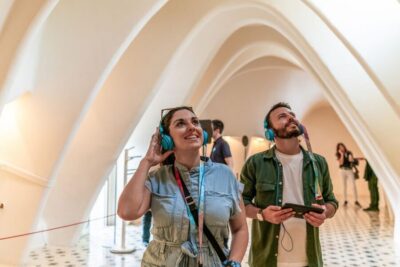
★ 4.4 · 76,534 reviews - Barcelona: Casa Batlló Entry with Self-Audioguide Tour
★ 4.7 · 25,359 reviews
Price and value for a 3-hour architecture walk
At $54.19 per person for about 3 hours, this is not an impulse buy, but it can be good value if you like architecture, urban planning, or design policy.
Here’s why the price can make sense:
- You get a focused route with multiple architecture stops, not just one photo spot.
- The group limit is up to 20 travelers, which typically improves the quality of the conversation.
- The guide expertise is real. The reviews repeatedly call out the depth and professional perspective, including architect and professor-level insight.
Will it be worth it if you want purely scenic walking? Maybe not. But if you want the story behind why the skyline and streets are changing, this format pays off. Think of it as an informed city tour that turns curiosity into understanding, without needing a textbook.
Where it starts and how the 4:00 pm timing helps
The walk starts at the Design Museum of Barcelona at Plaça de les Glòries Catalanes, 38 (Sant Martí), and it ends back near the meeting point.
Starting at 4:00 pm is practical for two reasons. First, you avoid the harshest midday sun. Second, by late afternoon you can often see the modern buildings with softer light, which helps when you’re comparing materials, shapes, and the mood of public space.
It’s also near public transportation, so you’re not forced into a long, exhausting pre-walk. And since it’s offered in English, you can stay fully in the conversation without relying on subtitles in your head.
One small note: it’s a walking tour, so plan for time on your feet. Wear comfortable shoes and bring water. That’s not glamorous advice, but it’s the difference between enjoying the concepts and spending the whole time thinking about your ankles.
Stop 1, Torre Glòries: seeing the city as a design decision
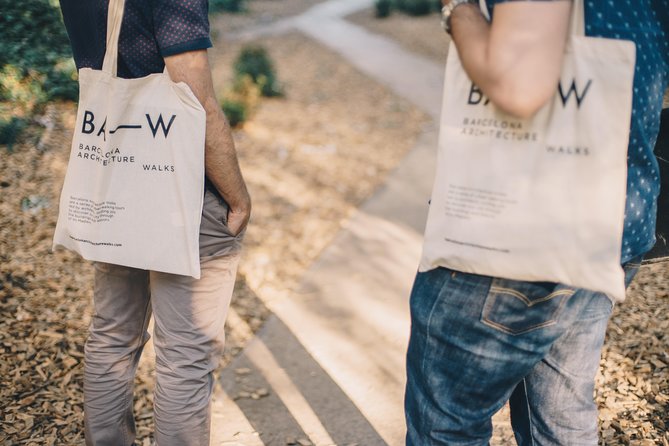
Your first stop is Torre Glòries, one of the modern landmarks that makes this part of Barcelona feel like a future project. This is where the tour’s theme clicks: contemporary buildings aren’t random. They’re tied to planning goals, economic shifts, and how the city wants to present itself.
On the street, you’ll get help reading what a modern skyline signals. Does it suggest jobs and innovation? Does it aim to create a new kind of neighborhood identity? The tour uses stops like this to show how star projects can change how people navigate a city, even if you never step inside the building.
A good way to get more out of Torre Glòries is to look beyond height and shape. Pay attention to how the area around it feels. Urbanism is about spaces between buildings too, streets, and how people move. This stop is a launchpad for that mindset.
Stop 2, Museum of Design: where architecture meets real-world life
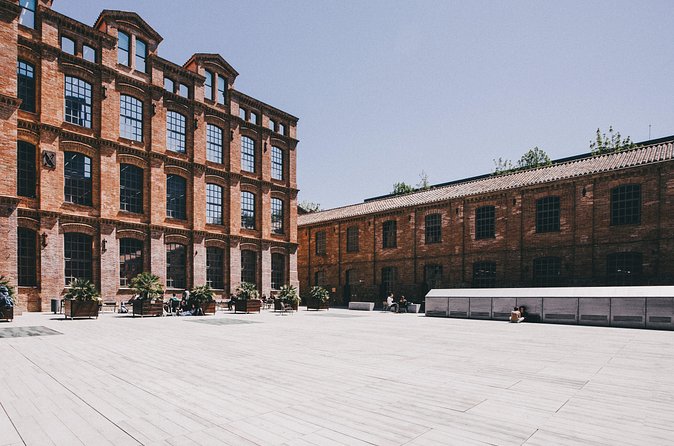
Next up is the Museum of Design, a natural fit for a tour about urban thinking. Even without getting too academic, design museums are where you can connect the dots between art, engineering, and what cities actually build for people.
This is also a good place to reset your brain after the skyline moment. If Torre Glòries is about forward-looking visibility, the Museum of Design is about how design influences daily life: products, systems, and the planning logic that shapes them.
The tour’s broader topic includes ideas like patents, independence, parametric architecture, and design approaches linked to sustainability themes. So at this stop, you’ll likely hear how modern building ideas connect to policy and industry, not just aesthetics. If you care about the smart-city angle, this is the moment to listen closely. The tour connects design thinking to bigger systems.
One ticket rarely covers it all. Here's what else is nearby.
- Barcelona: Montjuïc Cable Car Roundtrip Ticket★ 4.5 · 22,368 reviews
- Barcelona: Hola Barcelona Public Transport Travel Card★ 4.5 · 20,985 reviews
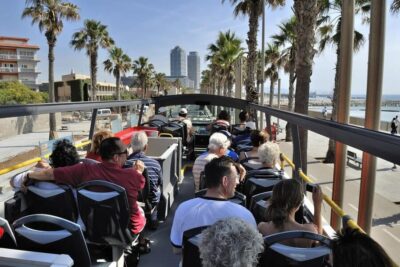
- Barcelona: 24 or 48-Hour Hop-On Hop-Off Bus Tour★ 4.4 · 20,872 reviews
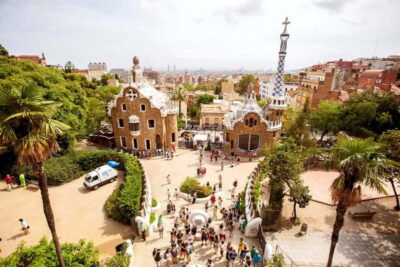
- Barcelona: Park Guell Guided Tour with Skip The Line Entry★ 4.7 · 17,563 reviews
- Barcelona Aquarium: Entry Ticket★ 4.4 · 16,717 reviews
- Barcelona in 1 Day: Sagrada Familia, Park Guell,Old Town & Pickup★ 5.0 · 13,541 reviews
Stop 3, Los Encantes Barcelona: industry’s afterlife in a new city
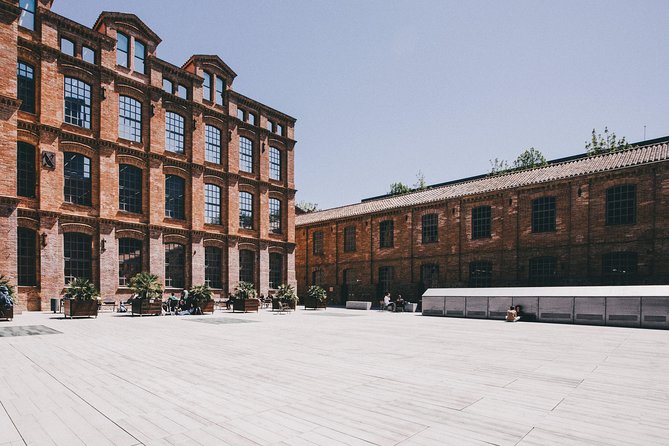
Los Encantes Barcelona is the kind of stop that adds texture. It keeps the walk from feeling like a series of architecture billboards. Markets like this remind you that a neighborhood is alive even when the official branding shifts.
This is where the tour’s industrial-to-future storyline matters. In Poblenou, the past involved small factories and trades. The city is now revitalizing the area, trying to recapture some of the energy and spirit of that industrial heyday while upgrading how the district works.
You’re likely to feel that tension as you walk: old habits and new priorities side by side. That matters because urban regeneration isn’t about erasing the past. It’s about deciding what to keep, what to adapt, and what to replace.
If you’re the kind of traveler who likes to understand how a neighborhood functions, this stop helps. You can see how public life continues while the built environment evolves.
Stop 4, Museu Can Framis: putting human scale back into the story
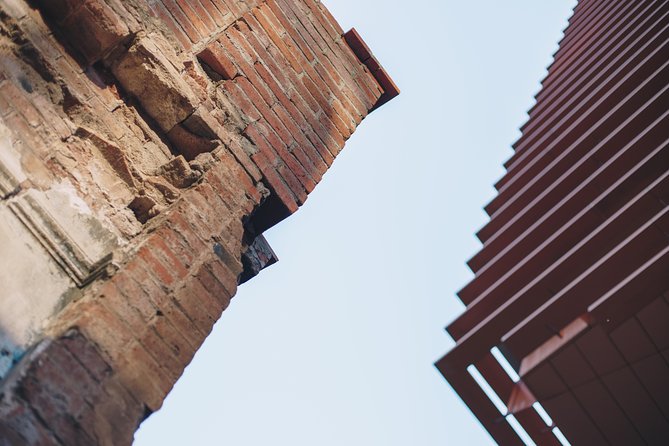
Finally, you end at Museu Can Framis. This stop changes the emotional tone of the walk. After talking about regulations, carbon footprint, and big planning concepts, a museum setting helps bring you back to human scale and cultural meaning.
Even if you don’t go inside on this specific stop, the location still supports the tour’s theme: architecture is not only about tech and transit systems. It also shapes how people experience art, time, and community space.
This is also a good moment to reflect on why the tour includes both modern and cultural stops. Urbanism is about quality of life. Museums, public spaces, and neighborhood institutions influence how a district becomes more than a development project.
And because the tour ends back near the meeting point, you can easily continue your day without planning a second transport puzzle.
The concepts you’ll hear: superblocks, carbon footprint, cradle-to-cradle, and Cerdà
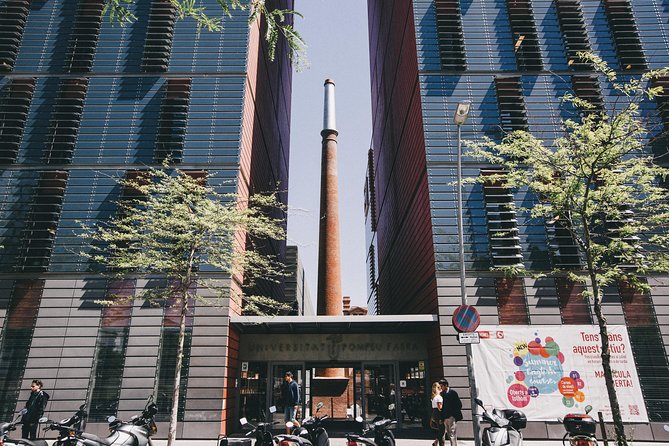
The tour isn’t only about what you see. It’s about the ideas behind how Barcelona is changing. Here are the big themes you should listen for, because they explain what the buildings are doing to the city.
Superblocks
Superblocks are one of the headline planning moves Barcelona is known for: reorganizing traffic and street space so neighborhoods prioritize people, not through-traffic. On this walk, you’ll connect the concept to the overall urban regeneration story in Poblenou and beyond.
Carbon footprint
When the tour talks about carbon footprint, it’s not just about environmental vibes. The point is that city design decisions affect emissions, building impacts, and long-term sustainability. You’ll hear how sustainability is being built into planning thinking.
Cradle-to-cradle
Cradle-to-cradle is a design approach that treats materials as parts of a loop, not one-time use. On an architecture-focused walk, it helps explain why some modern buildings and systems are designed with end-of-life and reuse in mind.
Parametric architecture and patents
Parametric architecture connects to computational design, where building forms and systems can be optimized. Patents and independence tie into the idea that innovation and new methods are part of the built environment story, not separate from it.
Ildefons Cerdà
If you’re new to Barcelona’s planning, this is the moment you’ll appreciate the big thread: Ildefons Cerdà is central to the city’s gridded plan. Even though this walk is focused on the modern 22@ district, Cerdà’s influence helps you understand why Barcelona’s planning still echoes in today’s projects.
How to get the most out of the walk (without pretending to be an architect)
You’ll get more out of this tour if you treat it like an applied lesson. You do not need to know anything in advance, but you should bring curiosity and a few questions.
Here’s what works well:
- Pay attention to the relationship between streets and buildings. Urbanism is about how people move and gather.
- Ask about tradeoffs. When a city improves one area, it often changes something else. Good questions can turn a stop into a mini discussion.
- Use the tour’s pacing as a learning tool. Reviews mention a thoughtful pace, which is often when guides have time to explain concepts instead of rushing through them.
If you’re traveling with kids or a mixed group, it can still work. Reviews mention that families did well, though the idea is that adults tend to benefit most from the technical discussion. If your group includes non-architecture fans, focus their attention on the neighborhood story and how the district feels different.
Who should book Barcelona and The Future, and who might want a different style
I’d book this tour if you:
- Like architecture, design, or how cities work beyond the surface
- Want a less touristy, planning-focused Barcelona side
- Enjoy hearing how star architects and big ideas connect to everyday space
- Prefer a guide who answers questions and keeps things moving at a thoughtful pace
I might suggest something else if you:
- Only want classic landmarks and big views
- Get impatient with planning concepts and sustainability terms
- Don’t enjoy walking long enough to turn the route into a narrative
This isn’t a bad choice. It’s just a different kind of experience. If your travel brain wants understanding, you’ll likely feel satisfied.
Should you book this tour?
If you’re curious about the modern city and you like learning while walking, Barcelona and The Future is a smart use of your time. It’s priced like a serious architecture tour, but the small group size, the expert-led teaching style, and the focus on urban regeneration themes make it feel like more than a sightseeing loop.
My take: book it earlier in your trip if you want the rest of Barcelona to make more sense. The walk gives you a framework for what you’ll notice later, like how cities manage growth, sustainability goals, and public space design.
If you go in expecting concepts to be explained in plain language and you plan for comfortable walking, you should leave with a fresh way to look at the city.
FAQ
How long is Barcelona and The Future?
The tour runs for about 3 hours.
Where does the tour start?
It starts at the Design Museum of Barcelona, Plaça de les Glòries Catalanes, 38 (Sant Martí, 08018 Barcelona, Spain).
Is the tour in English?
Yes, it is offered in English.
What is the group size like?
The tour has a maximum of 20 travelers.
What happens if the weather is bad?
The tour requires good weather. If it’s canceled due to poor weather, you’ll be offered a different date or a full refund.
Can I cancel for free?
Yes. You can cancel up to 24 hours in advance for a full refund. If you cancel less than 24 hours before the start time, the amount you paid will not be refunded.
The latest to open for booking



Tours & Day Trips, side by side.
Park Guell Guided Tour with Skip The Line Entry
Read our review →
Sagrada Familia Skip-the-Line Entry Ticket & Tour
Read our review →
FC Barcelona Museum “Barça Immersive Tour” Ticket
Read our review →