
Reviewed · CASA BATLLÓ TICKETS
Barcelona Architecture Walking Tour With Casa Batlló Upgrade
Gaudí, Domènech, and a smart bite of Barcelona. This Barcelona Architecture Walking Tour strings together the city’s biggest modernism stories in just a couple hours, with an optional Casa Batlló upgrade if you want more than outside views. You’ll get expert guiding in English and see why these buildings matter, from symbolism on Sagrada Família to the street theater of Passeig de Gràcia.
I especially like how the tour starts at Recinte Modernista de Sant Pau, a place that feels grand even when you’re mostly looking at stone and details. I also like the way it ends in La Mansana de la Discordia, the concentrated block of modernist facades where you can compare styles side by side while the guide points out what to notice.
One possible drawback: noise and group size can make it harder to hear every word. One past group noted hearing devices were not used, and the guide’s pace can feel fast when you have more than a few people.
In This Review
- Key things you should know before you go
- How This Architecture Walk Gets You Oriented Fast
- What You Pay For, and Why the Upgrade Changes the Value
- Sant Pau Recinte Modernista, Domènech i Montaner’s Big Statement
- Sagrada Família Facades, Gaudí’s Symbol Game in Street View
- CaixaForum Macaya to Casa de les Punxes: When Barcelona Plays Dress-Up
- Passeig de Gràcia: The Streets Where Modernism Gets Competitive
- La Mansana de la Discordia: Comparing Four Houses in One Walk
- Casa Amatller Chocolate: A Practical Pause That Actually Teaches Something
- Casa Batlló Upgrade: Choosing Between Street Theatre and Full Experience
- Group Size, Pace, and the Noise Factor (Read This Before You Go)
- Who This Tour Fits Best in Your Barcelona Plan
- Should You Book This Barcelona Architecture Walking Tour?
- FAQ
- How long is the Barcelona architecture walking tour?
- Is Casa Batlló included in the standard tour?
- Are entry tickets included for the other buildings?
- What’s included besides the guide?
- What language is the tour offered in?
- Do I get a mobile ticket?
- Where does the tour start and where does it end?
- How big is the group?
- Can I get a refund if my plans change?
Key things you should know before you go
- Optional Casa Batlló admission means you can choose between a mostly exterior walk or adding the interior with a separate ticket upgrade.
- Chocolate is built in at Casa Amatller, so you’re not hunting for a snack while you’re still in sightseeing mode.
- Smart time boxing: short stops for the main exteriors, then a longer focus on Passeig de Gràcia for comparison shopping across Gaudí and other modernist architects.
- Small groups (up to 20) help you stay close to the guide and see details without feeling like you’re in a moving crowd.
- English mobile ticket makes last-minute check-in simpler than digging through paper confirmations.
How This Architecture Walk Gets You Oriented Fast
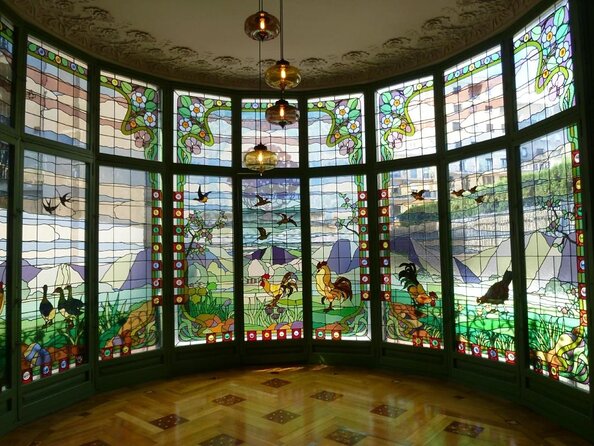
If you’re short on time in Barcelona, this format works. You’re not trying to “see everything,” you’re learning how to look at the city. The route moves through the major modernism zones, then lands where the architecture gets most collectible: the area around Passeig de Gràcia.
The guide’s job here is practical. You’re not just standing and staring at buildings, you’re getting a fast education in what the shapes, symbols, and ornament are trying to say. I like tours that teach you how to notice, because then the rest of your trip gets better too.
Also, the timing is realistic. The whole thing runs about 2 hours to 2.5 hours, with multiple quick photo-and-story stops. That’s long enough to learn something, short enough that you don’t burn your day walking in circles.
What You Pay For, and Why the Upgrade Changes the Value
The base price is $35.07 per person, which is modest for a guided architecture walk that includes a guide and a planned tasting moment. You’re also getting guided time at multiple major landmarks, plus a structured path so you’re not guessing where to start or which facades are the key ones.
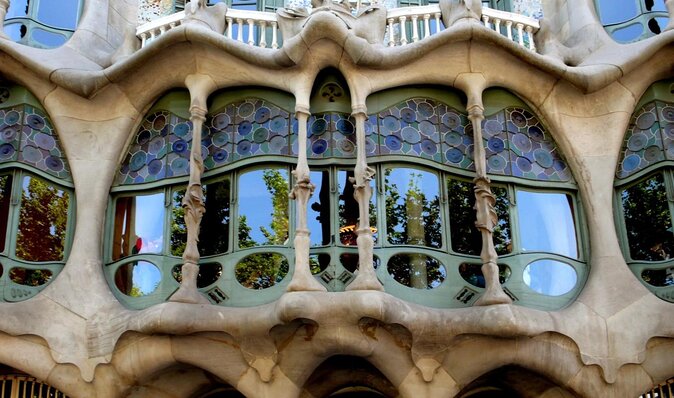
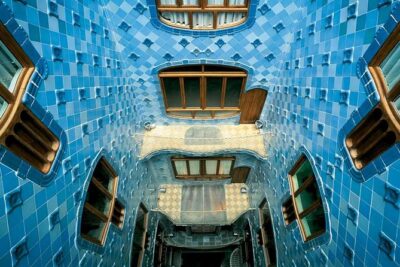
Here’s the big value fork: the tour offers an optional Casa Batlló upgrade. Without it, you’re seeing Gaudí’s work from the street. With it, you get access to the interior experience at Casa Batlló, which is typically where Gaudí’s design language turns from “wow outside” into “how did they build that?”
If you’re debating the upgrade, think like this:
- If you only want the highlights and want to keep flexibility, the standard walk can be enough.
- If you’re the type who likes to linger and you want the full Casa Batlló experience, the upgrade is usually the smarter choice.
Also, note what’s included vs not. The tour includes a local guide, a walking tour, and a chocolate sample at Casa Amatller. Building entry is generally not included unless you pick the Casa Batlló upgrade.
The house that looks like bone
- Barcelona: Casa Batlló Entry with Self-Audioguide Tour
★ 4.7 · 25,359 reviews - Casa Batllo Admission Ticket with Intelligent Audio Guide
★ 4.5 · 3,168 reviews - Barcelona: Casa Batlló Be The First Entry Ticket
★ 4.8 · 1,158 reviews
Sant Pau Recinte Modernista, Domènech i Montaner’s Big Statement
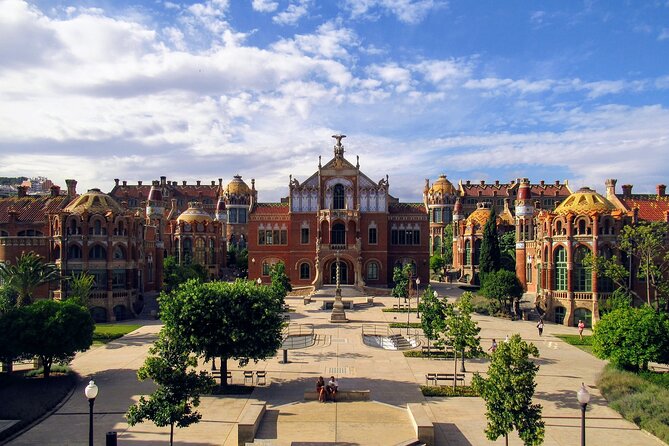
Your first stop sets the tone. Recinte Modernista de Sant Pau, designed by Lluís Domènech i Montaner, is the largest Art Nouveau site in the world, and it also has a real-life history. This wasn’t built as a museum theater. It once functioned as a major hospital in Barcelona and remained in use until the late 1990s.
You’ll have about 15 minutes here. That’s not a long wander, so use this time to spot the overall design language first: the structure, the decorative approach, and how the buildings feel both formal and human-scale. When a site has this kind of institutional history, you can often see it in the choices made for light, circulation, and the way spaces were meant to work.
Practical note: admission here is listed as not included, so you should expect to see it as an exterior-focused introduction unless you’ve secured a ticket separately.
Sagrada Família Facades, Gaudí’s Symbol Game in Street View
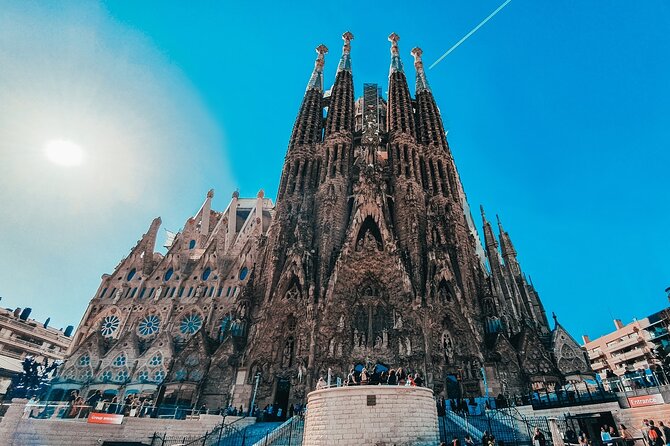
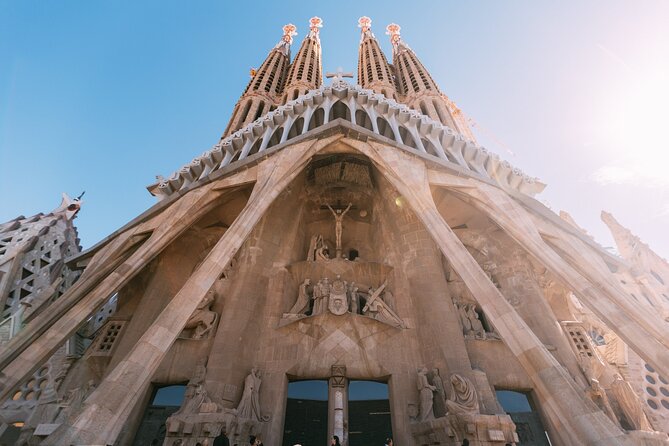
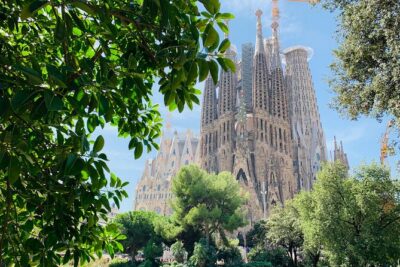
Then you roll to one of the world’s most recognizable churches. The route brings you along Avinguda Gaudí to La Sagrada Família, and you’ll view it from different angles. You get about 30 minutes for this portion, which is a good chunk for walking, photographing, and actually hearing what the guide points out.
This stop is about reading the building. The guide talks about secrets and meaning built into the two facades. You’ll also learn how the design communicates through symbols, so you’re not just saying, “It’s weird and cool.” You’re learning what the symbolism is trying to do.
Again, the important detail: admission is not included for Sagrada Família. The tour is built for the street and exterior viewing, which is still a strong way to get oriented, especially if you plan to tackle interior tickets on another day.
CaixaForum Macaya to Casa de les Punxes: When Barcelona Plays Dress-Up
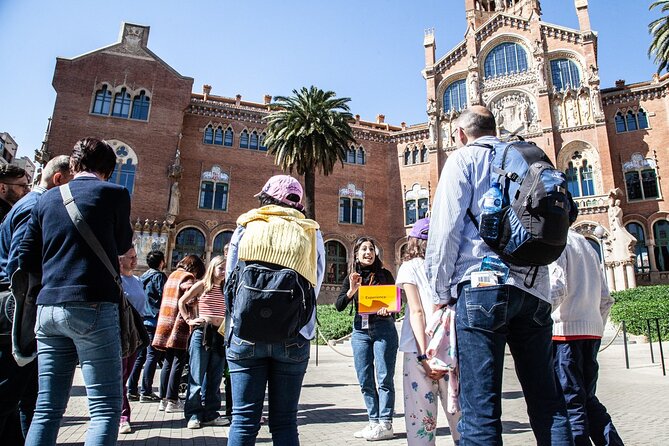
After the big headline church, the tour slows down into smaller architectural stories. You’ll spend about 10 minutes at CaixaForum Macaya, described as a story behind a “hidden jewel” in the sense that it doesn’t always get the same attention as the mega-famous stops. This is where the walk feels more like a local recommendation: a chance to notice a building that sits inside your “I should see that” list.
Then comes Casa de les Punxes, with a focus on why it’s sometimes called the fairy house of Barcelona. You’ll get about 15 minutes to hear the story and look at the silhouette and details. This is a nice contrast to both Sant Pau and Sagrada Família, because it’s more about personality and playful shapes.
These short stops matter because they break up the walking with distinct themes. You’re not just moving from one famous landmark to the next. You’re seeing that Barcelona’s modernism can be serious, spiritual, and playful all in the same afternoon.
Passeig de Gràcia: The Streets Where Modernism Gets Competitive
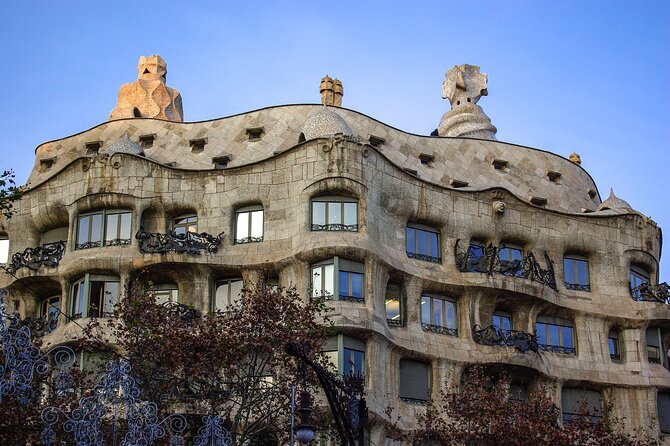
At some point, you’ll feel the energy shift. That’s Passeig de Gràcia, where the city becomes a showroom of modernist facades.
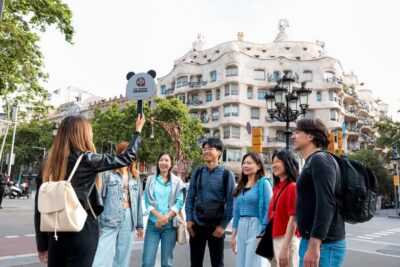
You’ll get about 30 minutes focusing on famous modernist houses, including Casa Milà, Casa Batlló, Casa Amatller, and Casa Lleó Morera. Admission is listed as free for these exterior viewing segments, which is perfect if you want to compare without paying another ticket.
This part of the tour is about contrast and clarity. The guide helps you spot differences between architects and styles by pointing out design patterns you might miss if you were doing this self-guided. I find that once you know what to look for, Passeig de Gràcia stops being “pretty buildings” and turns into a design lesson you can walk through.
And you’re doing it with momentum. You’re not stuck in one spot. You’re getting the street perspective that makes the architecture feel like it’s interacting with the boulevard.
Other things to see around Barcelona
- Barcelona Tapas and Wine Experience Small-Group Walking Tour★ 5.0 · 5,804 reviews
- Barcelona: Tapas Walking Tour with Food, Wine, and History★ 4.8 · 4,261 reviews
- Barcelona: Food Walking Tour with Tapas and Wine★ 4.9 · 2,180 reviews
- Barcelona Tapas Walking Tour: Food, Wine & History★ 4.5 · 1,928 reviews
- Barcelona Helicopter, Sailboat & Old Town Private Walking Tour★ 5.0 · 1,395 reviews
- Barcelona: Old Town and Gothic Quarter Walking Tour★ 4.8 · 1,393 reviews
La Mansana de la Discordia: Comparing Four Houses in One Walk
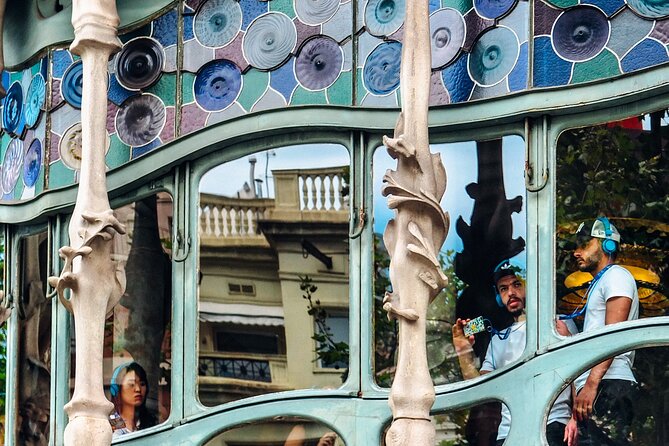
The tour ends its main architecture run at La Mansana de la Discordia, the famous block known for its high concentration of modernist and Art Nouveau buildings. This is where the comparison payoff lands.
You’ll get another 30 minutes here, and the guide focuses on the best-known houses in that cluster, including Casa Milà, Casa Batlló, Casa Amatller, and Casa Lleó Morera. It’s a smart way to end, because you finish where you can most easily connect what you saw earlier with what you see here.
Also, this part is a great “eyes open” finale. By now, you’ve already seen how symbolism and ornament work at the larger landmarks. Now you can treat the houses like individual characters and ask, which one is more playful, which one is more geometric, which one feels more sculpted, and what each facade is signaling.
Casa Amatller Chocolate: A Practical Pause That Actually Teaches Something
If you’re wondering whether modernist sightseeing can have a human moment, Casa Amatller answers that. You’ll stop at Casa Amatller for about 15 minutes, and you can enter the ground-level shop.
The key point: the tour includes a chocolate sample here. You’re not eating a token snack you didn’t ask for. You’re stopping at a place tied to the building itself, so it feels like part of the experience rather than a detour.
It’s also a good reset. Walking around modernist facades can get brainy fast. Chocolate buys you five minutes of calm while you still stay in the architectural story.
Casa Batlló Upgrade: Choosing Between Street Theatre and Full Experience
This is one of the most elaborate Gaudí creations in the whole city. The tour includes it in two ways depending on what you choose.
With the upgrade, you’ll add Casa Batlló admission, which is the difference between seeing Gaudí’s exterior language and experiencing his interior design choices. You also get an expert architect guide as an optional upgrade tier, so the “what am I looking at” questions are more likely to get answered directly.
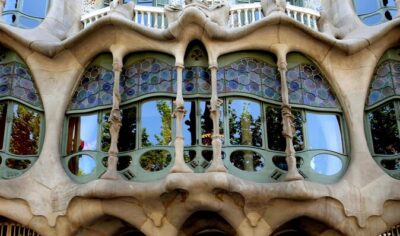
Without the upgrade, you can still enjoy Casa Batlló as an exterior focal point. The tour description emphasizes noticing colors and elaborate window decorations, and that’s exactly what you should do if you’re staying with the base option. Look for how Gaudí uses surface effects, and how the windows and facade details change the mood as you move around the building.
If you’re on the fence, my rule is simple: if you plan to do fewer paid attractions but you really want Gaudí, the upgrade is worth considering. If you’re already planning to visit other interiors during your trip, the base walk may let you save money and still get the big architectural hits.
Group Size, Pace, and the Noise Factor (Read This Before You Go)
The tour caps at 20 travelers, which is a helpful size for seeing details. Still, walking tours can feel fast in dense city streets, and hearing can be tricky.
One past experience highlighted a problem: the group did not have listening devices and the streets were noisy, which made it hard to hear the guide consistently. That’s not guaranteed to happen for every run, but it’s worth planning for if you know you struggle in loud environments.
My practical advice:
- Bring earplugs if you’re sensitive to street noise.
- If you’re hearing-focused, position yourself closer to the guide.
- Expect a steady pace between stops, since several locations are timed tightly.
Also, the guide quality seems to be a real strength. Names like Perrine, Cal, and Patricio show up in the best reports, and the standout theme is that the guiding style blends architecture with broader context, including cultural, political, and economic background tied to the architects. That kind of framing makes the buildings feel more connected to Barcelona as a living place, not a static slideshow.
Who This Tour Fits Best in Your Barcelona Plan
This tour is built for people who like architecture and history, but it’s not just for academics. If you want to walk with purpose and come away with a better sense of what Barcelona modernism actually is, you’ll enjoy it.
You’ll especially like it if:
- You’re seeing Barcelona for the first time and want a structured modernism tour.
- You like guides who explain why details exist, not just what the buildings look like.
- You want a route that covers both the major names and a few extra stops that add variety.
It’s also a decent fit for couples and solo travelers. The itinerary is paced in short, doable chunks, and the group stays small enough that you can ask questions without feeling swallowed.
If you hate walking or you want long museum-style time inside multiple buildings, you might feel rushed. This is an architecture walk, not a full interior crawl.
Should You Book This Barcelona Architecture Walking Tour?
Book it if you want a high-efficiency modernism education with a built-in treat. The mix of Sant Pau, Sagrada Família exteriors, a stop at CaixaForum Macaya, the playful Casa de les Punxes, and the finish around Passeig de Gràcia and La Mansana de la Discordia is a smart arc. Add the included Casa Amatller chocolate sample, and the value feels even more grounded.
Choose the Casa Batlló upgrade if Gaudí is your top priority and you want more than street views. If you’d rather keep your schedule flexible and you don’t care about interiors, stick with the base walk and enjoy the facade details and comparisons.
If your biggest worry is hearing in noisy streets, plan for it. A small amount of preparation can make the difference between catching every story and missing bits.
FAQ
How long is the Barcelona architecture walking tour?
It runs about 2 hours to 2 hours 30 minutes.
Is Casa Batlló included in the standard tour?
Casa Batlló admission is listed as an optional upgrade. Without upgrading, you should expect exterior viewing rather than interior entry for this stop.
Are entry tickets included for the other buildings?
Entry is listed as not included for stops like Sant Pau Recinte Modernista and Sagrada Família. Some exterior areas are listed as free for viewing during the walk.
What’s included besides the guide?
You get a local guide, a walking tour of Barcelona architecture, a chocolate sample at Casa Amatller, and an optional architect guide upgrade.
What language is the tour offered in?
The tour is offered in English.
Do I get a mobile ticket?
Yes, the tour includes a mobile ticket.
Where does the tour start and where does it end?
It starts at Recinte Modernista de Sant Pau (Carrer de Sant Antoni Maria Claret, 167, Horta-Guinardó, 08025). It ends on Passeig de Gràcia near Pg. de Gràcia 35, Eixample, in front of Casa Lleó i Morera.
How big is the group?
The tour has a maximum of 20 travelers.
Can I get a refund if my plans change?
Yes. Free cancellation is available if you cancel at least 24 hours in advance for a full refund.
The latest to open for booking



Casa Batlló Tickets, side by side.
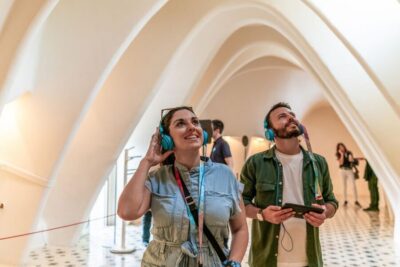
Casa Batllo Admission Ticket with Intelligent Audio Guide
Read our review →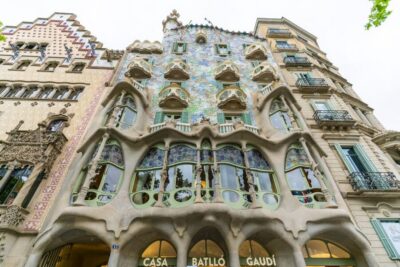
Complete Gaudi Tour: Casa Batllo, Park Guell & Sagrada Familia
Read our review →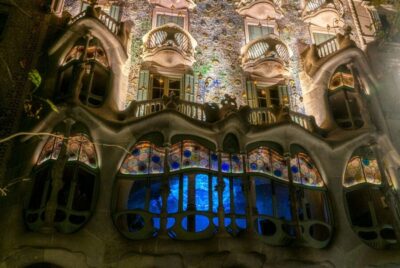
Casa Vicens, Pedrera, and Casa Batlló Guided Tour
Read our review →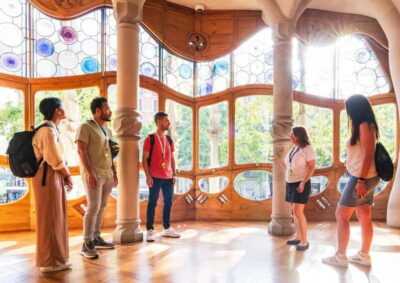
Casa Batlló Tour and Optional White Rabbit Museum
Read our review →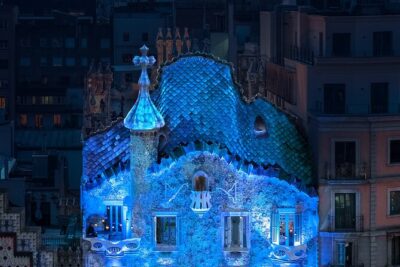
Where else this one turns up