
Reviewed · PAELLA CLASSES
Barcelona Evening Cooking Class: 5-Course, 3 Paellas & Cava
Paella night in Barcelona is surprisingly hands-on. I like the 3 paellas focus (seafood, meat, and plant-based) and the mother-daughter chef team style that makes technique feel doable. One drawback to plan for: at $176 per person and 3 hours, it is not the cheapest way to eat paella in town if you only want a quick taste.
This class is built around a real dinner flow, not a demo. You cook in rotating teams, sip with the meal, and end with digital recipes so you can try again at home. The vibe stays relaxed, so even if your Spanish is limited, you will still be able to follow along.
In This Review
- Key things I found most useful
- A 5-course paella and cava evening, clocked to 8:00 pm
- What you really learn: seafood, meat, and plant-based paella technique
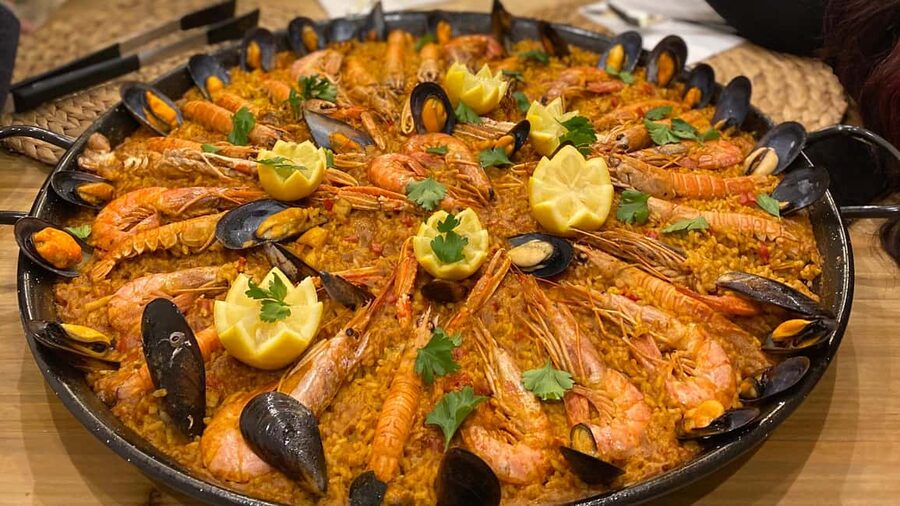
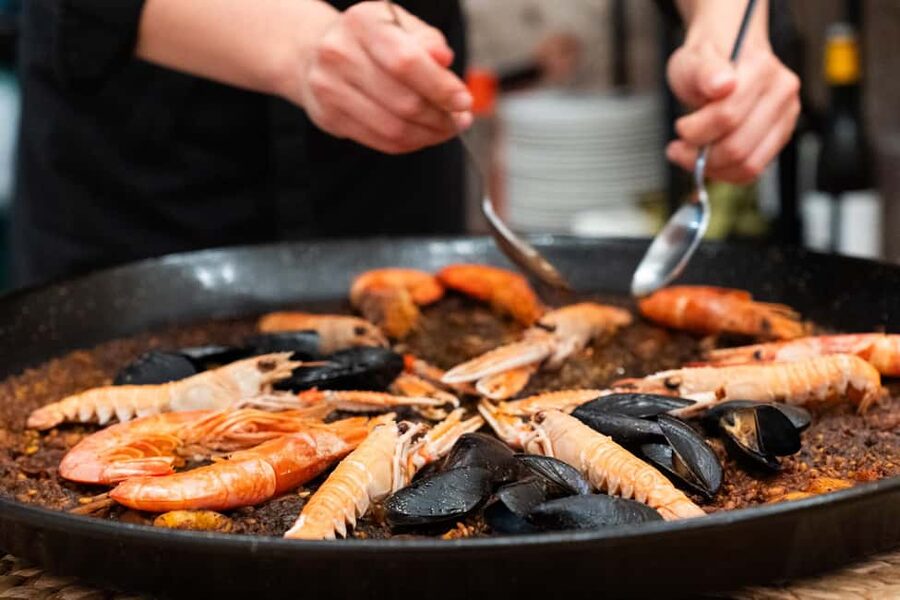
- Seafood paella: briny depth and timing
- Meat paella: rich savor without heaviness
- Plant-based paella: vibrant flavor built from the base
- Drinks and tapas that actually set up the cooking lesson
- The dinner flow: how the lesson becomes a meal
- 8:00 pm, cava welcome and tapas
- 8:30 pm, sangria crafting and paella technique
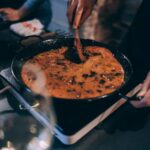
- 9:00 pm, cook all three paellas in rotating teams
- 10:00 pm, feast on everything you made plus dessert
- 11:00 pm, recipes emailed
- Price and value: $176 per person, what you get for it
- The small-group kitchen advantage (and what to expect in practice)
- Who this experience suits best in Barcelona
- Tips to get the most out of your paella night
- Should you book this Barcelona Evening Cooking Class?
- FAQ
- What is the duration of the Barcelona evening paella class?
- Where does the experience take place?
- How many paellas will I cook during the class?
- Is this class a small group?
- What food and drinks are included?
- Do you provide recipes after the class?
- Are dietary needs accommodated?
- Is the class in English?
Key things I found most useful
- Hands-on cooking time across three paella styles, not just stirring at the edge
- Mother-daughter guidance from chefs trained at the Michelin-starred Hofmann culinary school
- 5-course evening pacing that turns drinks and tapas into part of the lesson
- Ingredient quality you can actually notice, including premium bomba rice and saffron
- Digital recipe booklet for all three paellas, emailed after the class
- Small group size (max 10), which keeps the kitchen calmer and questions easier
A 5-course paella and cava evening, clocked to 8:00 pm
This is an evening cooking class in Catalonia that runs about 3 hours, timed for a proper night meal in Barcelona. The core idea is simple: you start with cava and tapas, build flavor with sangria-making, then move into the main event, three paellas cooked as a trio.
The timing matters. With a rotating team setup, you avoid the common problem where one person does the active cooking while everyone else waits. You get enough structure to know what you are doing, but the pace still leaves room to enjoy the meal rather than treating it like a strict school lab.
For most people, the biggest win is that you leave with both skills and recipes, so it is not only a one-night experience. And because the kitchen is described as hygiene-certified and the group stays small, the whole thing feels organized.
What you really learn: seafood, meat, and plant-based paella technique
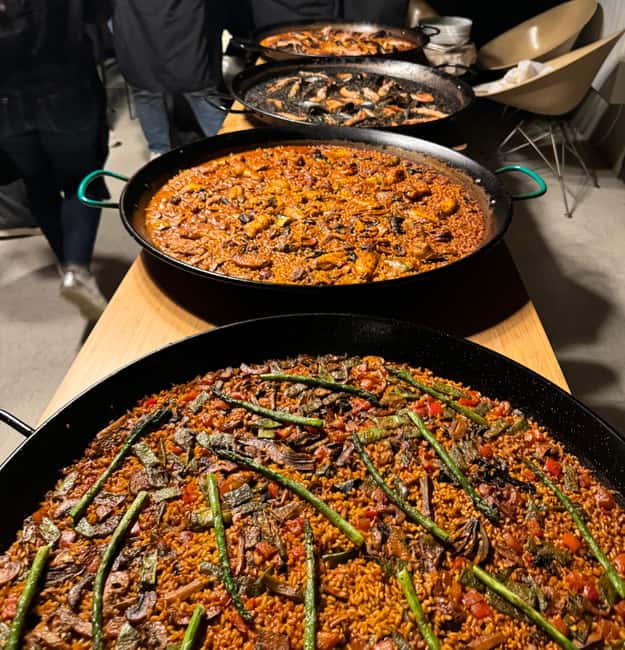
The class is centered on three paellas, each with a clear flavor goal. If you have ever wondered why paella can taste so different from one pan to another, this is where you start seeing the logic.
Learn the rice, not just eat it
- Barcelona: Paella Cooking Experience & Boqueria Market Tour
★ 4.8 · 3,661 reviews - Barcelona Paella Cooking Class with Market Visit, Tapas & Sangria
★ 5.0 · 2,531 reviews - Barcelona Interactive Spanish Cooking Experience
★ 4.5 · 2,155 reviews
Seafood paella: briny depth and timing
Seafood paella is the briny, salty, coastal one. In this class, the seafood version is treated as a flavor build, not a single trick. You work on the technique that keeps seafood tasting fresh instead of flat, and you learn how the base supports briny flavors.
What I like about teaching it as a full paella is that you get the rhythm of when to add elements. That is the difference between seafood that tastes integrated and seafood that tastes like an afterthought.
Meat paella: rich savor without heaviness
The meat paella is about comfort and depth, but the lesson is how to keep it from becoming heavy. You are using premium bomba rice, plus saffron and quality ingredients, so you can focus on method rather than improvising with the wrong staples.
This is also where you get to understand how meat flavors behave as they cook down and mingle with rice. If you have only had paella that felt too mild or too greasy, this is the kind of technique shift that can fix it.
Plant-based paella: vibrant flavor built from the base
The plant-based version is built for people who want paella that tastes complete, not like a side dish labeled as paella. You use fresh vegetables, and the lesson is how to build a satisfying base that still feels like paella.
If you are cooking at home, this is the paella style you will be most likely to recreate because the ingredient list is flexible. The key lesson is how to treat vegetables as a flavor engine, not just color.
Drinks and tapas that actually set up the cooking lesson
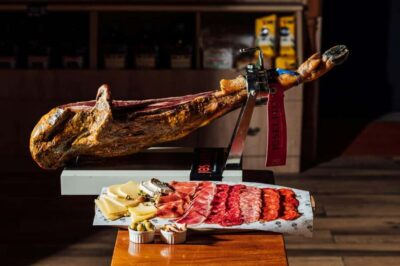
Before any pans hit the heat, the evening starts with a cava welcome and tapas. The tapas lineup includes Ibérico ham, Catalan cheeses, and mussels. That combination is smart because it mirrors the day’s later themes: salt, fat, seafood, and dairy all show up in different ways across the paellas.
Then you move into sangria-making, using seasonal fruits and local wine. The sangria part matters because it is not just drinking. You are learning flavor balancing in a very Spanish, very practical way: fruit sweetness, acidity from the wine, and how you keep it from tasting one-note.
As the class goes on, free-flowing cava, sangria, wine, and water keep everyone comfortable. It also means the drinks are not an add-on for sale. They are part of the experience.
Bubbles from just outside the city
- Montserrat Half-Day Tour with Tapas and Gourmet Wines★ 5.0 · 7,359 reviews
- Montserrat & Cogwheel Train, Gourmet Wine Tasting & Tapas/Lunch★ 5.0 · 6,290 reviews
- Barcelona Tapas and Wine Experience Small-Group Walking Tour★ 5.0 · 5,804 reviews
- Barcelona: Montserrat, Cogwheel, Black Madonna & Winery Tour★ 4.8 · 5,633 reviews
- Montserrat with Black Madonna & Medieval Winery with Tapas/Lunch★ 5.0 · 5,209 reviews
- Barcelona: Tapas Walking Tour with Food, Wine, and History★ 4.8 · 4,261 reviews
The dinner flow: how the lesson becomes a meal
Here is the practical order you should expect, and why it works.
8:00 pm, cava welcome and tapas
You start with cava and tapas in the warm studio kitchen. This is your social warm-up and your flavor warm-up. You get a chance to settle in, meet the small group, and understand how the cooking teams will rotate.
8:30 pm, sangria crafting and paella technique
Then you do two things at once, craft sangria and learn technique. The technique instruction is the backbone that makes the later cooking possible. Instead of only giving a recipe, it is about teaching the cooking logic: what the rice needs, how saffron fits in, and how proteins and vegetables behave.
9:00 pm, cook all three paellas in rotating teams
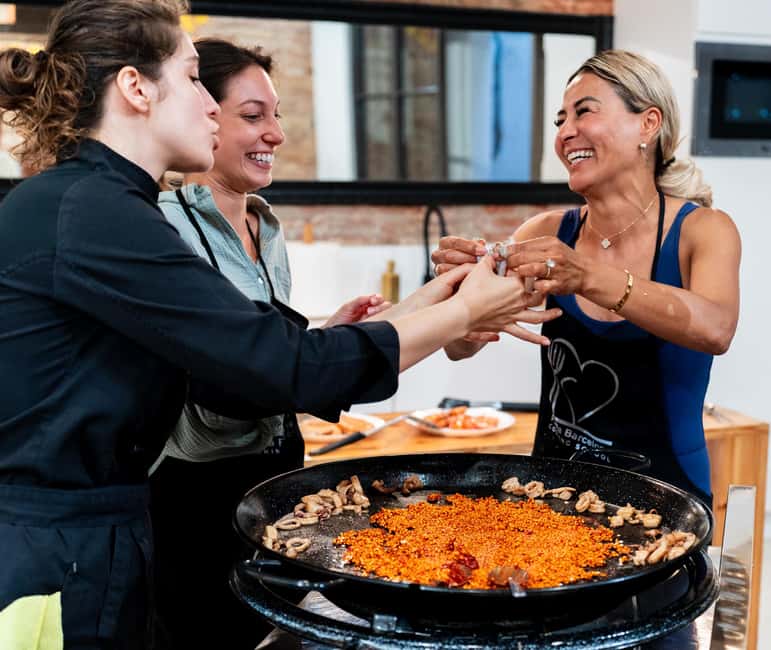
This is the heart of it. You cook the three paella types using rotating teams, so you do not get stuck watching one person work. You also get guidance from the mother-daughter chef team, who are trained at the Michelin-starred Hofmann culinary school.
They guide you through ingredient prep and cooking steps with enough structure that you will not feel lost. At the same time, you are doing real tasks, so it does not turn into a passive evening.
10:00 pm, feast on everything you made plus dessert
Once the paellas are done, you sit down to eat all three family-style, then have a seasonal dessert. This is where the earlier lesson pays off. You can taste the differences between the three paellas, then discuss which one hits your favorite notes.
That tasting and debate moment is more than fun. It helps you connect method to flavor. You start to notice what changed your impression, like how the base tastes across versions.
11:00 pm, recipes emailed
You finish with digital recipes emailed after the class. It is a big deal for value. You are not relying on memory or screenshots. You get a write-up you can actually use later.
Price and value: $176 per person, what you get for it
At $176 per person for about 3 hours, you should think of this as a focused culinary experience, not a budget meal.
Here is what you are paying for, in plain terms:
- Three paellas cooked with guidance, plus a full tasting meal
- Premium ingredients like bomba rice and saffron
- Multiple drink components (free-flowing cava, sangria, wine, water)
- Real food served at the table: tapas, the paella feast, and dessert
- A small group limit (max 10) that keeps attention on you
- Digital recipe booklet for all three paellas
If you were just eating paella in Barcelona, you would pay far less. But you would not get the technique teaching, the structured ingredient choices, and the chance to compare seafood, meat, and plant-based versions side by side.
So the value is strongest if you enjoy cooking or you want to bring home skills, not only dinner.
If you are the type who prefers purely sightseeing at night, this one may feel like you are trading your evening walk for a studio kitchen. But if you like food experiences, it is a solid deal for what is included.
The small-group kitchen advantage (and what to expect in practice)
This class caps the group at 10 participants, which changes the whole feel. With a smaller group, you get:
- More opportunity to ask questions as you cook
- A more relaxed atmosphere while rotating
- Less waiting time before you jump into your next step
You should also know there is a live tour guide in English and Spanish. That is helpful if you want explanations in a language you can follow without guessing.
For dietary needs, the information provided is practical: there is gluten-free bread and recipe adjustments, as long as you notify at booking. If you have allergies or restrictions, do not wait until you arrive. This kind of cooking relies on ingredient swaps, and the class needs notice to do it right.
The kitchen is described as wheelchair accessible and hygiene-certified, so the setup should feel safe and orderly.
Who this experience suits best in Barcelona
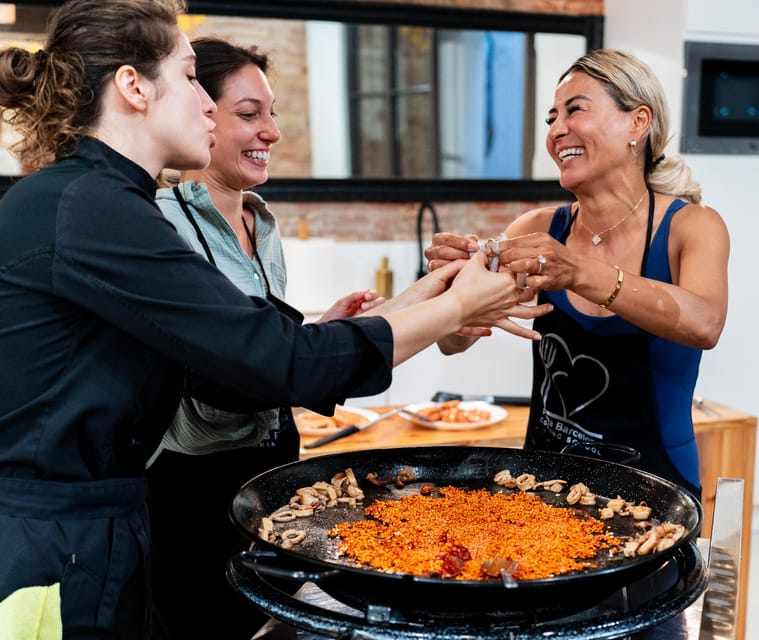
I would point you toward this class if you want an evening that is social but still hands-on. It is ideal for:
- Food lovers who want to understand paella, not just eat it
- People who like cooking, and want actual stove time
- Couples and small groups who prefer a structured activity over wandering
- Anyone who wants a repeatable souvenir: the digital recipes
If you hate any cooking activity, this is probably not the best fit. This class is not a lecture. You are working alongside the chefs and cooking the paellas.
It can also be a good choice on a night when you want to stay away from late-night bar hopping. You get your drinks and then you sit down to a proper feast.
Tips to get the most out of your paella night
You can make this experience feel smoother with a few simple moves:
- Tell the organizer about dietary needs at booking, so the recipe adjustments can be done properly.
- Arrive hungry. You start with tapas, but the real payoff is the paella feast plus dessert.
- Pay attention during the technique portion. The paella difference is not only about ingredients, it is about timing and method.
- If you like to cook at home, treat the digital booklet as your next step, not a bonus. That is how you turn a night out into real skills.
Also, plan your evening around it. It runs from 8:00 pm to about 11:00 pm, so it is not easy to fit other big plans around it.
Should you book this Barcelona Evening Cooking Class?
Book it if you want a structured, small-group Spanish food night with real cooking time. For me, the strongest reasons are the three paellas cooked as a trio, the hands-on rotation, and the fact that you leave with digital recipes for all three. It is one of those experiences where you can taste the differences and then actually recreate them later.
Skip it if you are chasing a low-cost meal or you dislike hands-on cooking. At $176, it is best for travelers who place value on technique, ingredients like bomba rice and saffron, and a full dinner experience.
If your goal is to eat paella and learn why it tastes the way it does, this class is a very practical choice.
FAQ
What is the duration of the Barcelona evening paella class?
The class lasts about 3 hours.
Where does the experience take place?
It is held in a studio kitchen in Catalonia, Spain.
How many paellas will I cook during the class?
You will cook three paellas: seafood, meat, and a plant-based option.
Is this class a small group?
Yes. The group size is limited to a maximum of 10 participants.
What food and drinks are included?
You get welcome cava and tapas, a sangria-making workshop, drinks during the experience (including cava, sangria, wine, and water), a feast with all three paellas, and seasonal dessert.
Do you provide recipes after the class?
Yes. A digital recipe booklet for all three paellas is emailed after the class.
Are dietary needs accommodated?
Dietary adaptations are available, including gluten-free bread and recipe adjustments, if you notify at booking.
Is the class in English?
Yes. The tour guide provides instruction in English and Spanish.
More Evening Experiences in Barcelona



More Workshops in Barcelona

The latest to open for booking



Paella Classes, side by side.
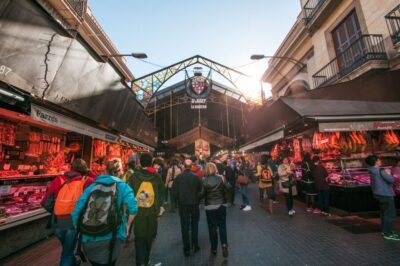
Paella Cooking Experience & Boqueria Market Tour
Read our review →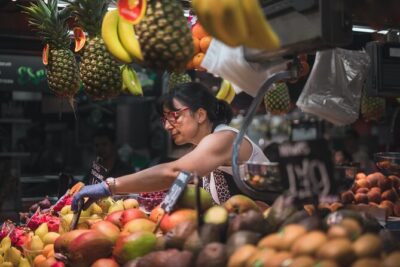
Barcelona Paella Cooking Class with Market Visit, Tapas & Sangria
Read our review →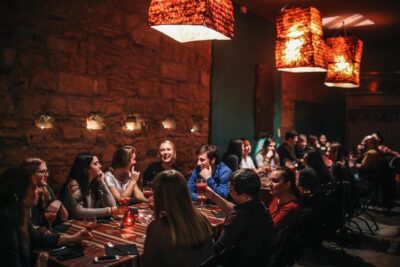
Barcelona Interactive Spanish Cooking Experience
Read our review →
Barcelona Food Tour: Tapas, Paella, Sangria & 8+ Local Tastings
Read our review →
Girona & Costa Brava Small Group Tour From Barcelona with Paella!
Read our review →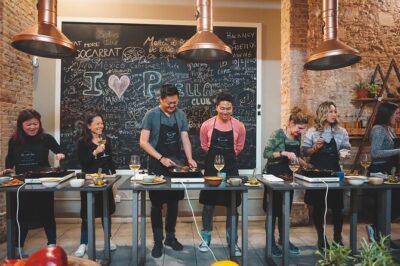
Paella Experience and Bottomless Wine in Barcelona
Read our review →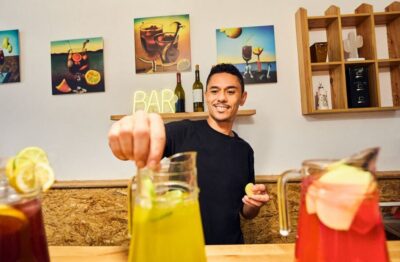
Paella Cooking Class with Market Visit and More
Read our review →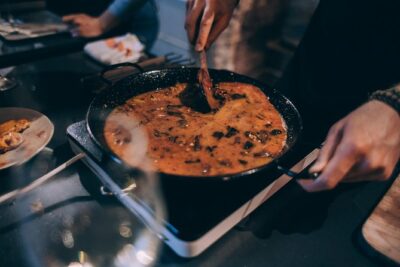
Paella Cooking Class with Professional Chef: Four Course Dinner
Read our review →Where else this one turns up