
Reviewed · GAUDÍ BUILDING TOURS
Barcelona: German City Tour from Gaudí’s Perspective
Follow Gaudí’s ideas, block by block. I love the way the German guide turns Barcelona streets into a timeline, and I love the time spent around Golden Square where the architecture feels like it’s still talking to you.
Do note the tour is built for outdoors, with exteriors as the rule, and it runs in sun, rain, and wind, even strong showers. If you hate walking in real weather, this might test your patience.
In This Review
- Key Things You’ll Notice on This Gaudí Perspective Tour
- From Plaça Reial to Liceu: Starting Where Barcelona Feels Like Theater
- Gaudí as a Person: Early Contracts, Nature, and a Reputation Built Fast
- The Big Movement: Historicism to Modernism, Without the Lecture Vibe
- Golden Square Stroll: Where the City Shows Off Its Modernist Side
- Casa Milà and the Surreal Turn: When Gaudí Moves Past the Obvious
- Colonia Güell Crypt Stories: Why the Church and Colony Matter
- Sagrada Familia as the Long Thread: 43 Years of Style Changes
- German and English Guidance That Actually Handles Questions
- Exteriors Only Means One Thing: You Get More City, Less Waiting
- Weather and Timing: The “3 Weather Tour” Reality Check
- Transit Twice: A Small Thing That Saves Your Energy
- Price and Value: $294 Per Group Up to 3, and When It Makes Sense
- Who This Tour Fits Best (and Who Might Want Another Option)
- Should You Book This Gaudí Perspective Tour?
- FAQ
- How long is the Barcelona German City Tour from Gaudí’s Perspective?
- Where do we meet for the tour?
- Is the tour in German or English?
- Does the tour include museum visits or building interiors?
- Do we use public transit during the tour?
- What kind of weather should I plan for?
Key Things You’ll Notice on This Gaudí Perspective Tour
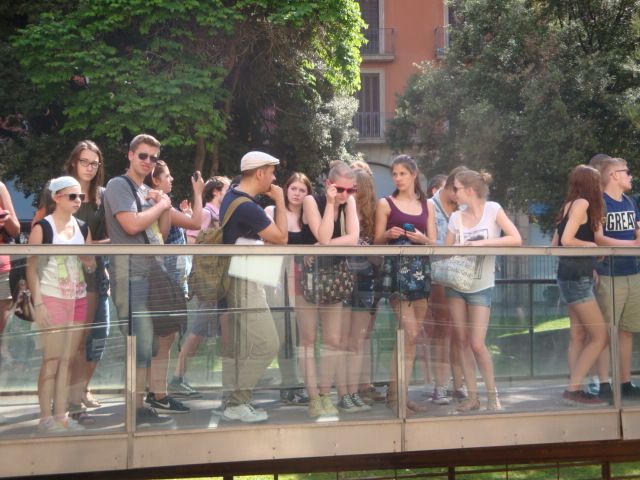
- German-led storytelling with English support from the live guide when needed
- A style timeline that moves from early student work to Historicism, then Modernism, and into surreal experiments
- Golden Square facades up close, with time to stop for photos without a hard rush
- Myths and the secret side of Gaudí, not just dates and building facts
- Public transit used twice, with tickets included so you focus on the walk
From Plaça Reial to Liceu: Starting Where Barcelona Feels Like Theater
Your tour begins at Plaça Reial, near the Drei Grazien Brunnen, by the Liceu metro stop. It’s a good start point because the area already has that Barcelona mix of elegance and everyday life. One minute you’re in a lively plaza scene, the next you’re heading out to read the city like a book written in stone.
This matters for how the tour feels. You are not crammed into a museum line. You’re on streets and squares, close enough to notice details you’d otherwise miss. The guide also aims to keep you near the places where crowds and architecture overlap, so you get a sense of how Gaudí’s world fits into Barcelona’s rhythm today.
And since this is a relaxed walk, you don’t feel punished for stopping. You can pause for a photo, check the street, and take a breath. That sounds simple, but it’s exactly what makes an architecture tour enjoyable instead of exhausting.
Gaudí as a Person: Early Contracts, Nature, and a Reputation Built Fast
The tour’s core idea is that Gaudí did not stay the same. You start with his earlier periods and build a picture of why his style shifted so much over time. You hear about his student years and how he earned money by making plans for his professors. You also learn that he helped with the world fair grounds in Ciutadella Park, long before he became the name everyone connects to Barcelona.
Then comes an important theme: nature. The guide ties nature into how Gaudí thought and worked, so the later shapes do not feel random or decorative. They start to feel logical, like he was studying forms that already exist in the living world, then translating that into architecture.
I also like the emphasis on his changing identity. It’s said that Gaudí reinvented himself roughly every ten years, and the guide uses that idea to explain why Barcelona’s Gaudí buildings can look like they belong to different timelines. Even if you only take one architecture tour in the city, this approach helps you make sense of what you see, instead of treating each facade as an isolated masterpiece.
More curves, barely a straight line
- Barcelona: Park Güell and Gaudí House Museum Entry Ticket
★ 4.5 · 6,326 reviews - Barcelona: Gaudí’s Park Güell Tour with Fast-Track Ticket
★ 4.8 · 4,512 reviews - Barcelona: Sagrada Familia, Modernism, and Old Town Tour
★ 4.7 · 1,621 reviews
The Big Movement: Historicism to Modernism, Without the Lecture Vibe
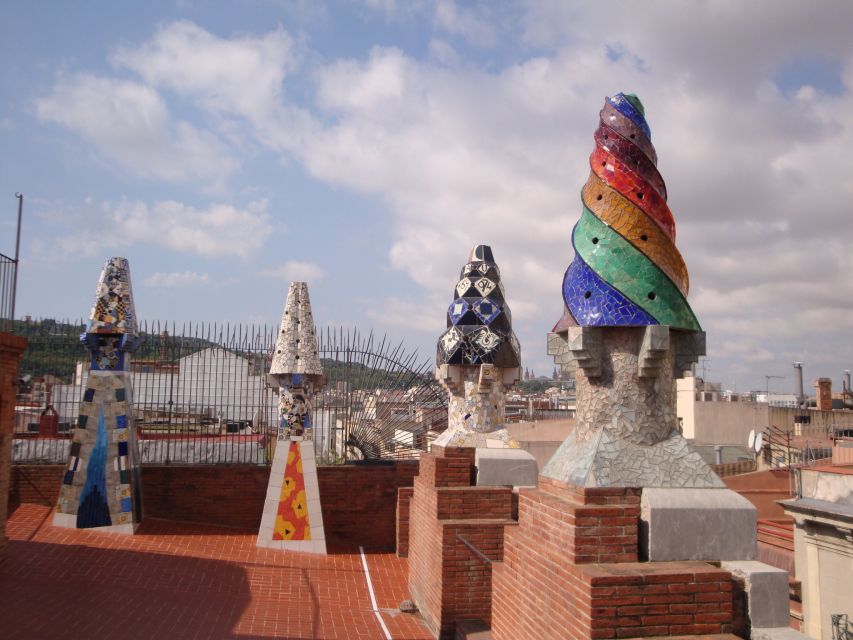
As you move through the walk, the tour naturally follows Gaudí’s artistic development: Historicism to Modernism, and then onward. This is where a good guide earns their keep, because the main risk with architecture tours is that they turn into a slideshow of terms you can’t picture.
Here, you keep learning while you can still look up and around. The guide keeps the story tied to what’s in front of you, including how Barcelona’s Modernisme scene set the stage for Gaudí to become one of Catalonia’s defining figures.
You’re also told, in plain language, that even though Gaudí gained fame early, he kept developing his style rather than repeating himself. That is why his buildings can look like they belong to a single genius with a consistent voice, but also why you can spot changes if you know what to watch for.
For you, the practical takeaway is this: after the tour, you’ll be able to look at Gaudí-related buildings and say, okay, I can see why it looks the way it does in that moment of his career.
Golden Square Stroll: Where the City Shows Off Its Modernist Side
Golden Square is the tour’s visual payoff. This area is famous for its cluster of Modernist facades, and the guide uses it to make comparisons that stick. Instead of telling you what to think, you’re guided to notice how forms shift, how ornament behaves, and how style can change the mood of an entire block.
The pace is relaxed. That’s not just comfort, it affects your learning. When you have time to linger, you can look at vertical lines, then step sideways to see how a facade changes. You can also do what most people actually travel for, which is take photos that look like you planned them.
One more detail I appreciated: the guide sticks to streets and squares to keep groups close. That means you’re not walking only between perfect photo spots. You see the real scale, the real crowd flow, and the way people interact with the facades as part of daily life.
If your goal is to understand Barcelona in a way that feels current, not just historical, the Golden Square segment is where that clicks.
Casa Milà and the Surreal Turn: When Gaudí Moves Past the Obvious
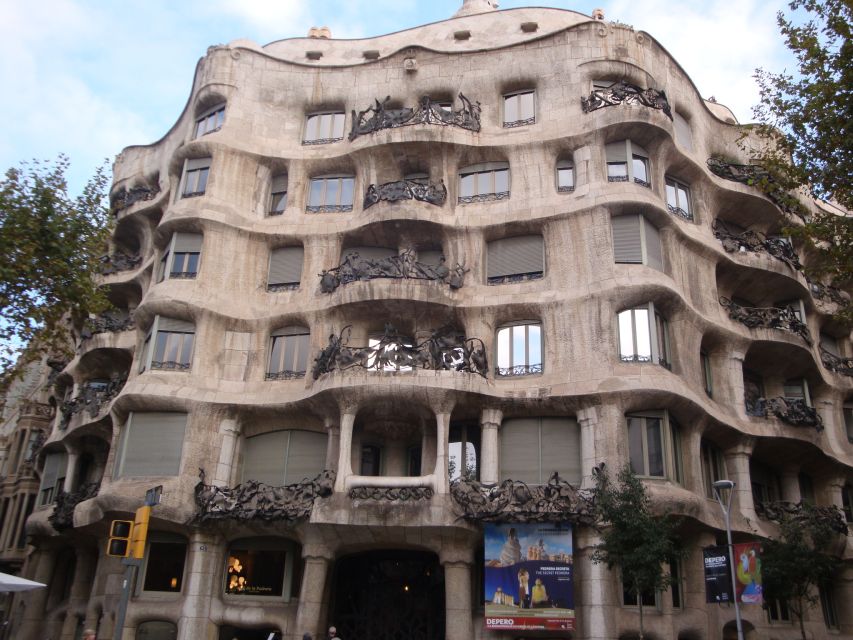
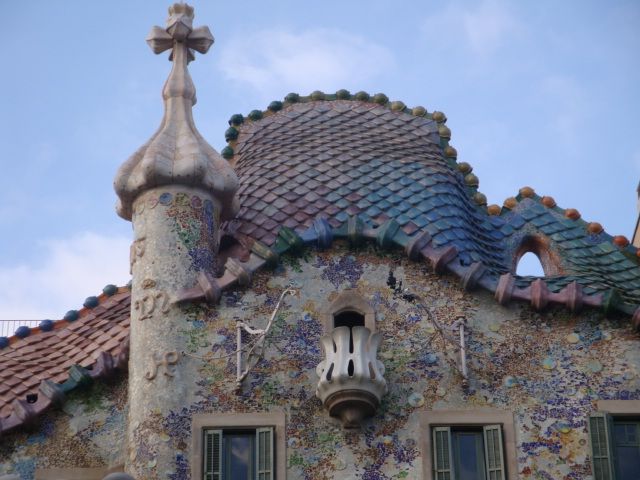
After the Modernisme foundation, the tour shifts into the more fantastic side of Gaudí. The program specifically points to his forays into Surrealism, with Casa Milà as the reference point. Even if you’ve heard the building name before, the guide’s framing helps you see it differently.
Surrealism is the right word in this context, not because Gaudí was chasing art trends like a collector, but because his forms start behaving like dreams. Curves, textures, and the overall sense of motion can feel less like “a building” and more like “a vision.”
I like that the tour does not treat Casa Milà as a final boss. Instead, it’s part of a sequence. You get the sense of a creative mind stepping out of one style and testing another, then returning to earlier concerns with new tools.
If you’re the kind of traveler who wants to leave a city with a few strong images in your head, this surreal turn gives you exactly that.
Colonia Güell Crypt Stories: Why the Church and Colony Matter
Gaudí is not only about famous facades in central Barcelona. The tour connects his work to places that shaped his thinking. One of the big threads here is Colonia Güell, a worker’s colony tied to Gaudí’s sacred architecture.
You learn that Gaudí considered the church there important, and that he even finished its crypt. The guide uses that to explain how Gaudí’s ideas for sacred buildings evolved, and how experimenting in one place could lead to major decisions elsewhere.
This segment helps you understand something that’s easy to miss if you just do one Sagrada stop and call it a day. Sacred architecture was not a side project for Gaudí. It was a long, obsessive path where he kept testing structure and form.
And this is where myths also show up. The tour hints at Gaudí’s secret side and the stories people tell about him, so you get a more human, slightly mysterious picture of the man behind the stone.
Other things to see around Barcelona
- Barcelona: City Sightseeing Hop-On Hop-Off Bus Tour★ 4.4 · 10,061 reviews
- City Sightseeing Barcelona Hop-On Hop-Off Bus Tour: 24 or 48-Hour★ 4.0 · 5,250 reviews
- Barcelona City Tour Hop-On Hop-Off with Optional Boat★ 4.0 · 3,012 reviews
- Barcelona: City Walking Tour with a Local Guide★ 4.9 · 1,384 reviews
- Barcelona: Private City Tour by Eco Tuk Tuk★ 4.9 · 1,339 reviews
- Flamenco Show Ticket at Theatre Barcelona City Hall★ 4.5 · 1,264 reviews
Sagrada Familia as the Long Thread: 43 Years of Style Changes
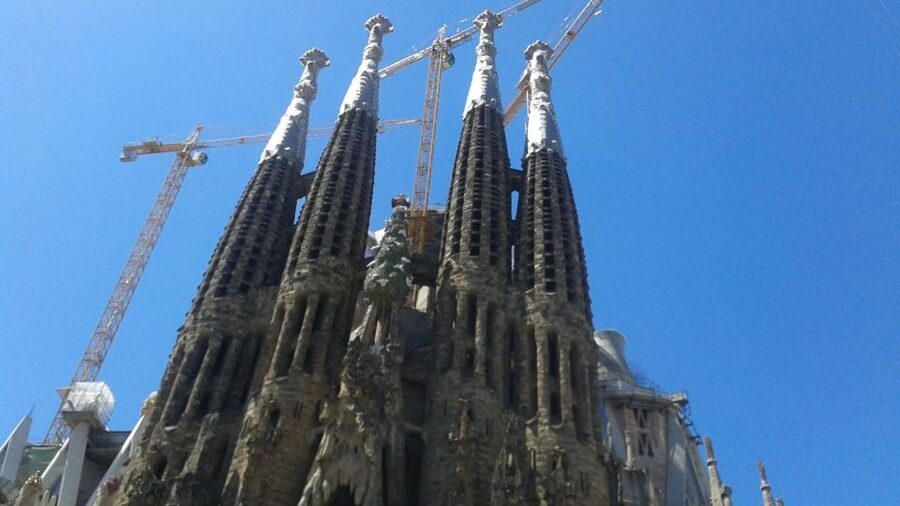
The tour’s Gaudí timeline keeps pulling forward to the Sagrada Familia, and it does so with specific anchors. Construction began when Gaudí was 31, and he dedicated the rest of his life to it. That alone explains the scale of the project, but the guide adds the key idea that the building reflects all those periods you’ve been hearing about.
You’re told that Gaudí reinvented himself about every ten years, and Sagrada Familia is presented as the place where those reinventions can be seen as part of one ongoing work. That means you’re not just looking at a single style. You’re looking at a long creative conversation, with later ideas layered on top of earlier ones.
Even if you do not spend time inside, the way the tour connects Sagrada Familia to his evolving style helps you recognize what matters in the details. You start to understand why parts look like they belong to different creative moments, and why that makes the project more interesting, not less.
German and English Guidance That Actually Handles Questions
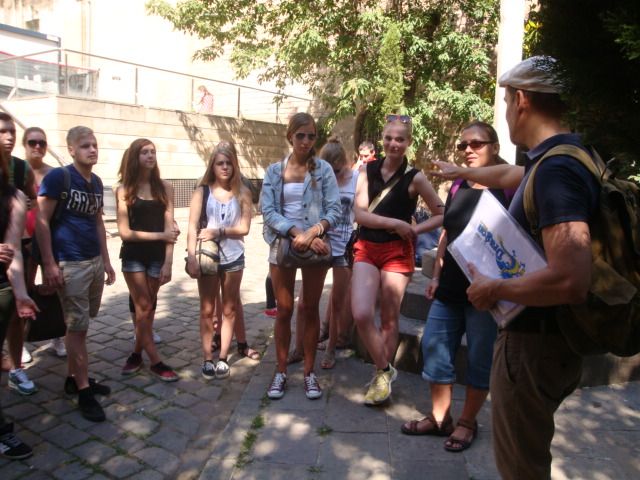
This is a German-language tour, but the live guide also speaks English. That matters because architecture tours often fall apart when you can’t follow the language or when questions build into a bottleneck.
The best part of this experience is how it handles curiosity. In particular, the guiding style is described as experienced and full of background stories, with answers that stay competent and direct. You can ask about Gaudí’s life, about the myths, about why certain choices show up where they do, and the guide can keep up.
Some guides have a knack for making the material land not just for adults, but for younger people too. The tour’s tone stays engaging, and it uses short narratives tied to what you can see outside.
If you’re traveling with mixed language skills in your group, the German-first, English-supported setup is a practical advantage.
Exteriors Only Means One Thing: You Get More City, Less Waiting
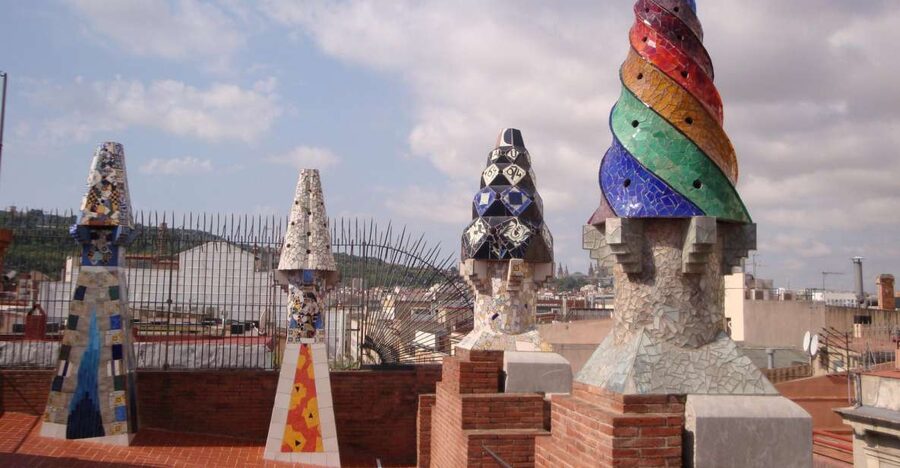
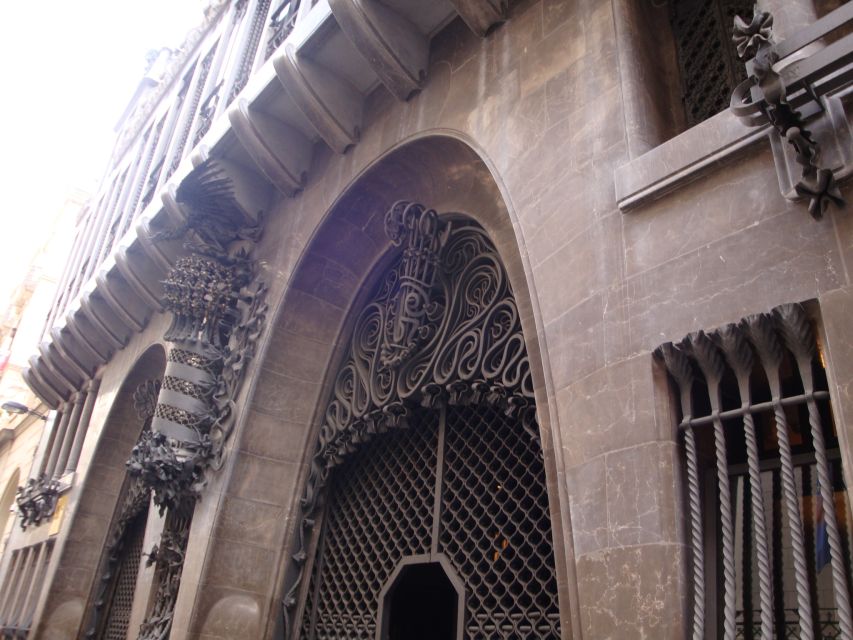
A big heads-up before you go: museum visits and interior explorations are not part of the program, with only a couple exceptions. Admire monuments from their exteriors, and use the guide’s eye to notice what’s going on on the outside.
For some people, that’s a downside. If your dream day includes lots of interior visits, this will feel incomplete.
For me, the benefit is obvious. Exteriors allow the tour to stay focused and efficient, and they keep you outdoors, where the street setting helps you understand the buildings. You get to walk Barcelona with intention, not shuffle between timed entry windows.
So if you want a tour that helps you see and understand Gaudí’s Barcelona as a living city, this exteriors-first format fits well.
Weather and Timing: The “3 Weather Tour” Reality Check
This tour runs in sun, rain, and wind, even strong showers. That’s not a small detail. It changes what you should wear and how you plan the day.
In summer, bring a hat, sunglasses, and sunscreen, plus a small water bottle. In cooler months, plan on a jacket or a thin coat. The guide keeps moving at a relaxed pace, but you cannot count on Barcelona behaving politely.
Here’s how you make it enjoyable anyway:
- Wear footwear you trust on uneven sidewalks.
- Bring a compact umbrella or rain shell if rain is likely.
- Expect photos to happen in gusts of wind, not calm weather.
If you’re the type who gets cranky in bad weather, you might prefer a shorter indoor-focused option. But if you can handle a little grit, you’ll get a tour that stays honest about the city.
Transit Twice: A Small Thing That Saves Your Energy
You travel twice by public transit during the 4.5-hour experience, and public transit tickets are included. That reduces the classic hassle of trying to time buses or guessing routes while you’re also listening to a guide.
It also means the guide can cover more territory while staying mostly on streets and squares. You get variety without a long slog of walking.
Practical tip: bring your transit tickets with you, since the guide expects you to have them during the ride segments.
Price and Value: $294 Per Group Up to 3, and When It Makes Sense
The price is $294 per group up to 3, for a duration of 4.5 hours. That’s not cheap on a per-person basis if you travel solo.
But here’s the value math that matters: if you have three people, you’re effectively splitting the cost across the group size allowed by the price structure. If you have two people, it’s still more workable than paying the full amount alone.
This tour is also private, which can be a big plus for architecture lovers who want to ask questions without feeling rushed. The guide can tailor attention to what you notice, and you can take your time at key viewpoints.
So I’d call this a smart buy when:
- You travel in a pair or trio
- You want German-language guidance
- You care about understanding Gaudí’s creative evolution, not just ticking off landmarks
If you’re one person on a tight budget, you might compare options that charge per person instead of per group. But if your goal is a guided, story-driven walk that helps you read Barcelona like a fan, the structure feels worth it.
Who This Tour Fits Best (and Who Might Want Another Option)
This experience suits you if you:
- Enjoy architecture stories that connect style changes to real buildings
- Like guided outdoor walking and don’t mind weather
- Want a Gaudí-focused tour that explains his artistic periods clearly, including the more unusual myths and secret side
It might not be ideal if you:
- Expect lots of interior access or museum time
- Dislike public transit segments during a walking tour
- Need a fully sheltered experience on rainy days
The exteriors-only setup can be a dealbreaker for some. But for the right traveler, it’s the whole point.
Should You Book This Gaudí Perspective Tour?
I’d book it if you want your day to feel like a guided understanding of Gaudí, not just a wandering photo session. The strongest reason is the storytelling structure. You start with his early development, track how his style changes over time, and end with the surreal push associated with Casa Milà, while the guide keeps tying in sacred work like Colonia Güell and the long arc toward Sagrada Familia.
Also, the German-led approach with English support is practical. If you like learning with real explanations, and you don’t mind being outdoors for hours, this is a solid way to get more out of Barcelona’s Gaudí sites than you would on your own.
If you’re sensitive to weather, go in with the right gear and a calm mindset. Barcelona will be Barcelona. The good news is the pace stays relaxed, so you can enjoy the city instead of bracing for chaos.
FAQ
How long is the Barcelona German City Tour from Gaudí’s Perspective?
It lasts 4.5 hours.
Where do we meet for the tour?
Meet at Plaça Reial, am Drei Grazien Brunnen, at U-Bahn Station Liceu.
Is the tour in German or English?
The tour is German-language, with a live guide who also speaks English.
Does the tour include museum visits or building interiors?
Mostly no. You’ll admire monuments from their exteriors, and museum visits and interior explorations are not part of the program, with a couple exceptions.
Do we use public transit during the tour?
Yes. You travel twice by public transit, and you should bring your tickets with you.
What kind of weather should I plan for?
It’s a 3-weather tour, running in sun, rain, and wind, including strong showers.
The latest to open for booking


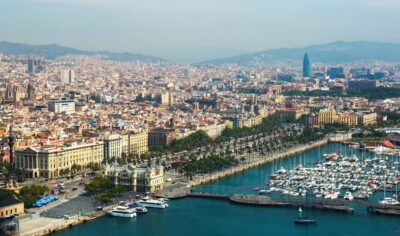
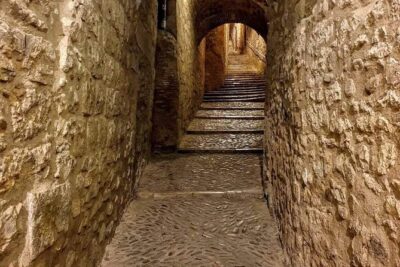

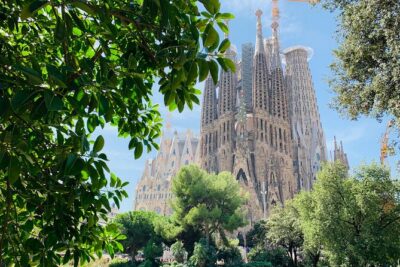
Gaudí Building Tours, side by side.
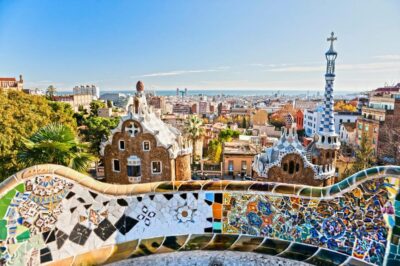
Park Güell and Gaudí House Museum Entry Ticket
Read our review →
Gaudí’s Park Güell Tour with Fast-Track Ticket
Read our review →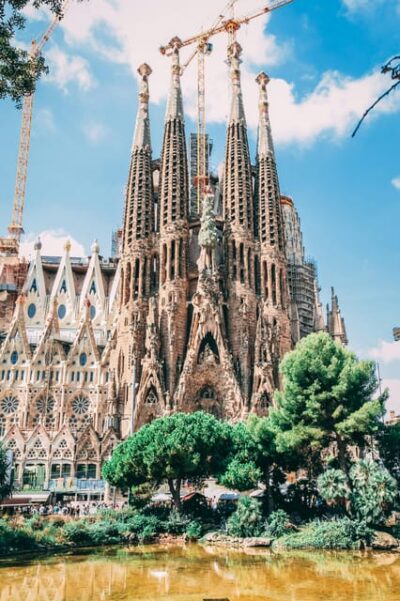
Sagrada Familia, Modernism, and Old Town Tour
Read our review →
Sagrada Familia & Gaudi Tour Private or Small Group with Tickets
Read our review →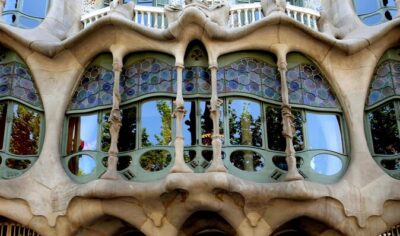
Complete Gaudi Tour: Casa Batllo, Park Guell & Sagrada Familia
Read our review →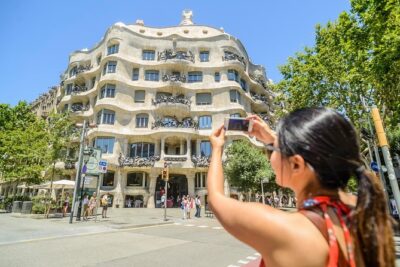
Barcelona e-Bike Tour: Gaudí & Old Town Small Group
Read our review →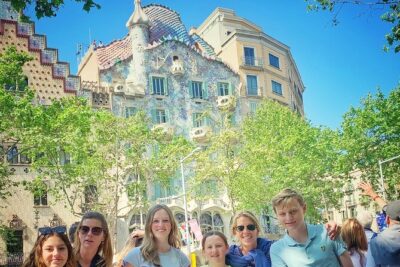
Ramblas, Old Town, Gothic and Gaudi Architecture Walking Tour
Read our review →
Gaudi´s Casa Vicens Skip the Line Ticket with Audioguide
Read our review →Where else this one turns up