
Reviewed · GOTHIC QUARTER WALKS
Barcelona Old Town & Gothic Quarter Small Group Tour
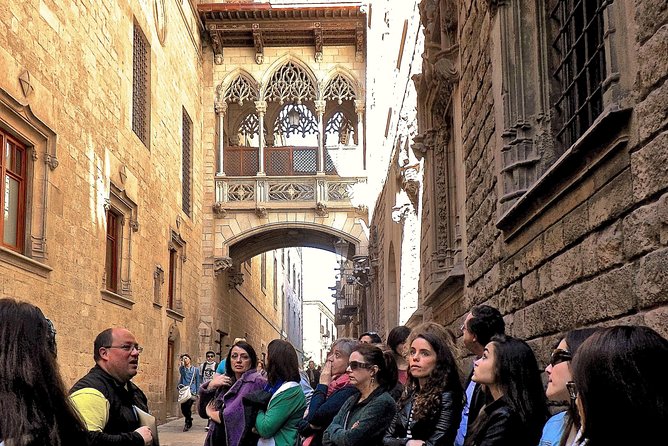
Barcelona’s Old Town is a maze, in the best way. You get a clear route through the Gothic Quarter on foot, with time to ask questions, then you finish at Palau de la Música.
I especially like how the group stays small, which makes it easier to keep up and hear your guide, even when streets get crowded.
Another big plus for me is the mix of eras on one walk, from Roman traces and medieval streets to Catalan Gothic and modernism, all in one morning or afternoon.
I also like the pacing, because you get actual stops rather than a quick drive-by. The Mercat de la Boqueria visit is short, but it’s long enough to look, smell, and grab a fresh drink or snack if you want. And at the end, Palau de la Música is the kind of place where even an outside look feels worth your time.
One thing to consider: not every major sight’s entry is included. The Cathedral and Basilica de Santa Maria del Mar have admission marked as not included, so if you want to go inside, plan for extra tickets on your own.
In This Review
- Key Points Worth Booking For
- Getting Your Bearings in the Gothic Quarter Without Getting Lost
- From Roman Traces to Medieval Legends: What the Old Streets Teach You
- Ciutat Vella and the Ramblas Bridge: Old City to Main Stage
- Mercat de la Boqueria: Colors, Local Routine, and Fast Food Culture
- Plaça Reial and the Gaudí Connection You Might Miss
- Barcelona Cathedral Pass-By: Gargoyles, Eulalia, and Ticket Reality
- El Born and Santa Maria del Mar: A Neighborhood Walk That Feels Alive
- Ending at UNESCO Palau de la Música Catalana: The Final Architectural Payoff
- Price and Logistics: Is $22.15 Good Value?
- What the Best Guides Do for You (Names I’d Look For)
- Who This Tour Fits Best
- Should You Book This Barcelona Old Town Walk?
- FAQ
- How long is the Barcelona Old Town and Gothic Quarter small group tour?
- What does the tour include?
- How big is the group?
- Is the tour offered in English?
- Where does the tour start and where does it end?
- Are tickets included for the main churches?
- Is food or drink included?
- Does the tour include hotel pickup or drop-off?
- Can children join, and are service animals allowed?
- What is the cancellation policy?
- Is there a mobile ticket?
Key Points Worth Booking For
- Small-group format (maximum stated at 15 travelers, with descriptions noting up to 12) means more conversation with your guide
- Route through the Gothic Quarter so you can see the maze without getting lost
- Boqueria market stop gives you Catalan food culture without turning it into a full food tour
- Plaça Reial and Gaudí lantern detail help you notice Barcelona’s quirky design history
- UNESCO Palau de la Música finish adds a modernist “wow” after centuries of older streets
- Guide-led question time shows up again and again in guide praise, including Joris, Steven, Alba, Nilo, and Isabel
Getting Your Bearings in the Gothic Quarter Without Getting Lost
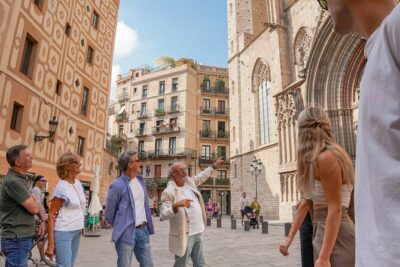
The best part of this tour is the simple promise: you’ll walk Barcelona’s oldest streets with someone who knows how not to waste your time. The Gothic Quarter is famous for being confusing, tight, and full of story, so having a planned route matters. You go from street to square with enough breathing room to actually notice details, not just follow a stream of people.
This is also the kind of tour where your guide can slow down when the group has questions. In reviews, guides like Joris and Steven stand out for being friendly and answering questions clearly, and that’s exactly what you want on your first day. Even if you only have a short stay, this gives you a mental map you can use later.
From Roman Traces to Medieval Legends: What the Old Streets Teach You
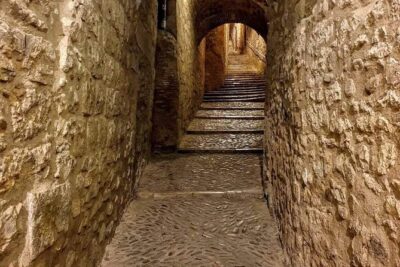
The walk starts in the Gothic Quarter, where the streets feel layered on purpose. You’ll wander narrow alleys and small squares, and the guide points out how Barcelona’s Roman past still shows up in corners you might miss alone. From there, the story shifts to the medieval growth of what became the Gothic Quarter, shaped by the architecture and legends people attach to these blocks.
Why this matters: Barcelona does not explain itself quickly. If you only wander on your own, you can spend hours looking at stone and still feel like you missed the “why.” Here, the guide stitches the eras together as you walk, so the place starts making sense.
A practical note: the pace is designed for an easy on-your-feet morning. You’re outdoors most of the time, and the streets are narrow, which means you’ll want comfortable shoes and patience if the group is slowed by crowds.
Get lost in the medieval lanes
- Barcelona all included: Sagrada, Park Güell, Montjuic & Gothic
★ 5.0 · 2,169 reviews - Barcelona Gothic Quarter Tapas & Taverns Food & Wine Tour
★ 5.0 · 1,470 reviews - Barcelona: Old Town and Gothic Quarter Walking Tour
★ 4.8 · 1,393 reviews
Ciutat Vella and the Ramblas Bridge: Old City to Main Stage
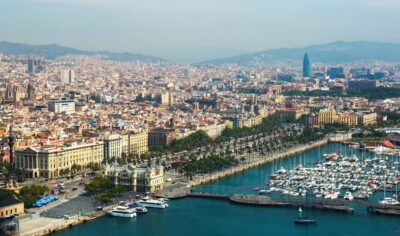
After the Gothic Quarter, you pass through Ciutat Vella, the Old City area name that locals use often. The stop is brief, but it frames the rest of the route, so you understand where you are and why this neighborhood works as a whole. This short segment is a good reset point if you want to catch your breath before hitting the louder streets.
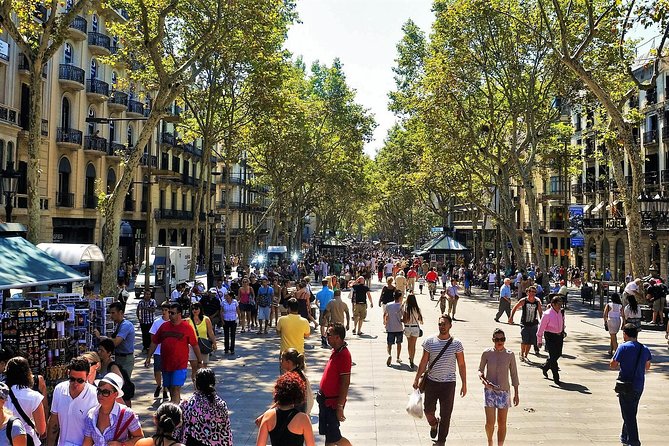
Then comes Las Ramblas, which is famous for a reason, and also tricky for first-timers. You get a guided walk along this iconic avenue with bar life, restaurants, and street artists. The best part here is context. The route explains how the Rambla was once tied to the idea of a sandy river used for defense along the old city limits, and now it functions as the city’s main public walkway.
One drawback to expect with Rambla: it can feel busy and tourist-heavy. The guide helps you interpret what you’re seeing, but it’s still a high-energy stretch, so don’t plan on quiet reflection here.
Mercat de la Boqueria: Colors, Local Routine, and Fast Food Culture
Next you get to Mercat de la Boqueria, a lively market that’s part of Barcelona’s day-to-day and part of its visitor experience. The tour includes a stop there where you can look around and taste things if you want, such as a fresh fruit juice. Since food and drinks are not included, you control the budget, but the time is long enough to sample without rushing.
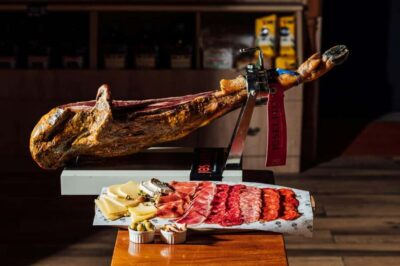
What I like about this stop is that it’s not pretending to be a cooking class or a formal tasting. It’s more like orientation through senses: colors, display details, and the obvious pride people bring to local products like cured ham. If you’ve ever wondered what Catalan food looks like in real life, this is a solid first taste.
The only caution: markets attract lines and crowds. Keep your wallet handy, and if you’re going to eat, choose something quick so you don’t fall behind the group.
Plaça Reial and the Gaudí Connection You Might Miss
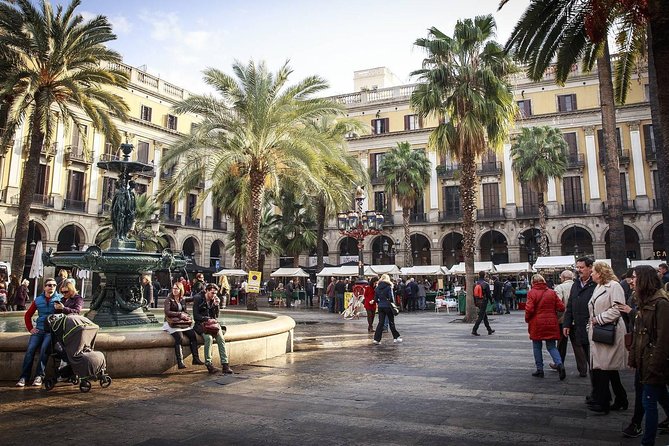
Plaça Reial is the kind of space you might walk past unless your route forces you into it. Here you’ll see the square’s Napoleonic-style architecture and spend time looking at the fountain de Tres Gracias and lantern details credited to Gaudí’s early work. That’s a fun twist because most visitors only associate Gaudí with later masterpieces.
This stop also works as a mental breather. You go from narrow streets to an open square, so your legs get a reset and your eyes get room. And it’s a genuine meeting point for artists, bohemians, and travelers who want to rest without leaving the center of the Old Town action.
Practical tip: if the lighting is good, you’ll want a few photos here. The square’s design makes the shots look better than you’d expect from a quick “rest stop.”
Barcelona Cathedral Pass-By: Gargoyles, Eulalia, and Ticket Reality
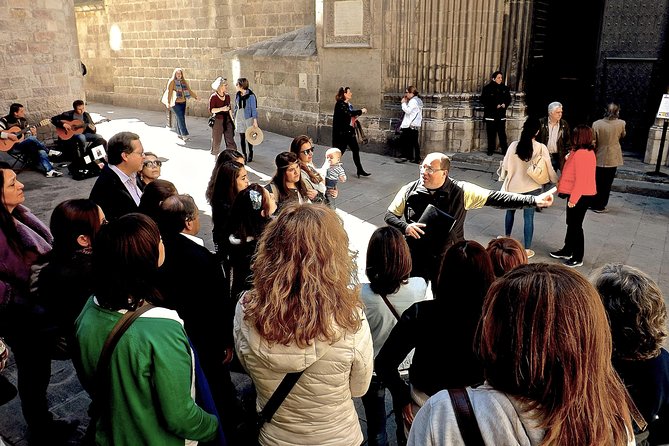
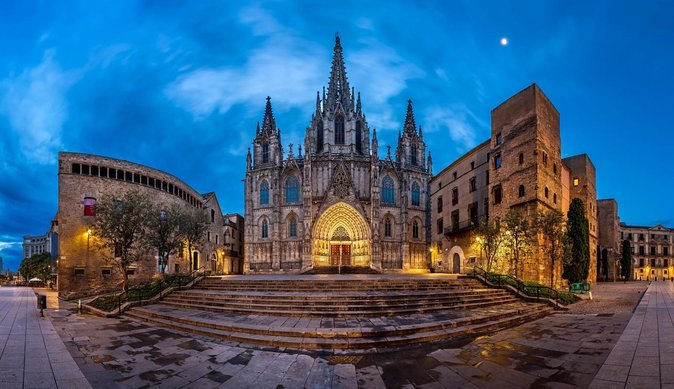
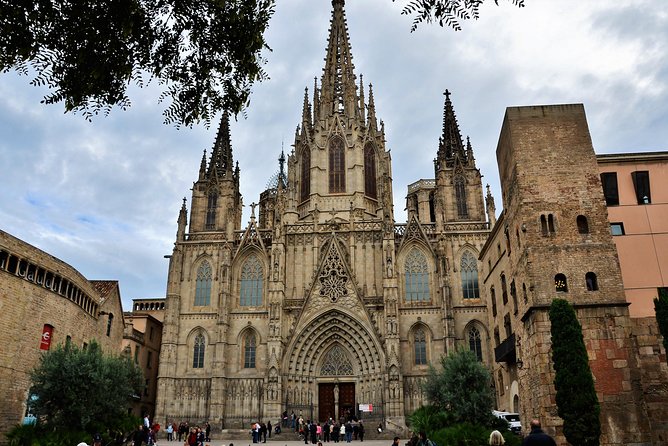
You’ll pass by the Barcelona Cathedral, with a focus on what makes the exterior memorable, especially the gargoyle sculptures high on the towers. The guide also explains the cathedral’s dedication to Saint Eulalia, which gives the building a human anchor rather than just a skyline silhouette.
One thing to keep straight: the tour does not include admission to the cathedral. That means you’ll likely see highlights from the outside and possibly areas you can access without a ticket, but if you want the interior experience, plan for extra entry costs. In other words, you get the why and the main visual impact, but you decide whether you want to pay for full entry.
Why this stop is still worth it: it helps you connect the Gothic Quarter story to a major landmark. You’ll leave with a clearer sense of what Gothic architecture is doing and why people built so much stone in the first place.
One ticket rarely covers it all. Here's what else is nearby.
- Barcelona: Sagrada Familia Entry Ticket with Audio Guide★ 4.6 · 105,312 reviews
- Barcelona: Park Güell Admission Ticket★ 4.4 · 76,534 reviews
- Barcelona: Casa Batlló Entry with Self-Audioguide Tour★ 4.7 · 25,359 reviews
- Barcelona: Montjuïc Cable Car Roundtrip Ticket★ 4.5 · 22,368 reviews
- Barcelona: Hola Barcelona Public Transport Travel Card★ 4.5 · 20,985 reviews
- Barcelona: 24 or 48-Hour Hop-On Hop-Off Bus Tour★ 4.4 · 20,872 reviews
El Born and Santa Maria del Mar: A Neighborhood Walk That Feels Alive
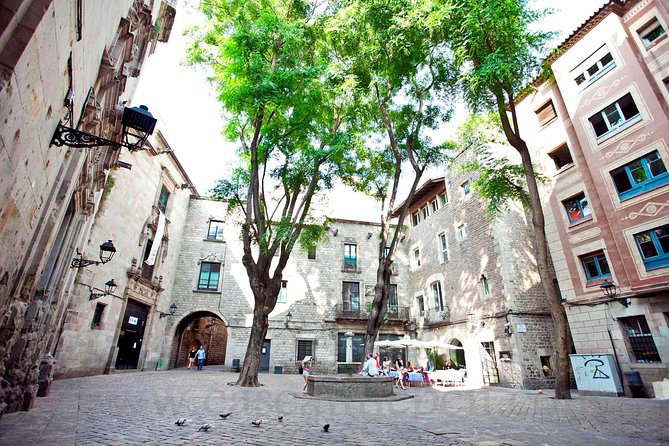
Next comes El Born, described as a place where you can get lost without feeling bad about it. The streets here blend old and new, and the neighborhood has a relaxed, stylish energy. This is a good contrast after the dense Gothic Quarter lanes, because you’ll notice different building styles and the vibe shifts as you walk.
If Santa Maria del Mar is on your list, this is where the tour makes it easy to include it. The basilica is presented as a key medieval landmark, built in medieval times by people from the neighborhood. That “built by locals” angle matters, because it changes how you think about the building from an imported monument to something made by a community.
Admission for Santa Maria del Mar is also not included. So again, you’ll get a guided stop and context, and if you want to enter, you’ll need to handle the ticket yourself.
A practical consideration: El Born streets can be busy, especially later in the day. Stay close to your guide, and keep an eye out for where the group is heading, since these areas can branch into side streets quickly.
Ending at UNESCO Palau de la Música Catalana: The Final Architectural Payoff
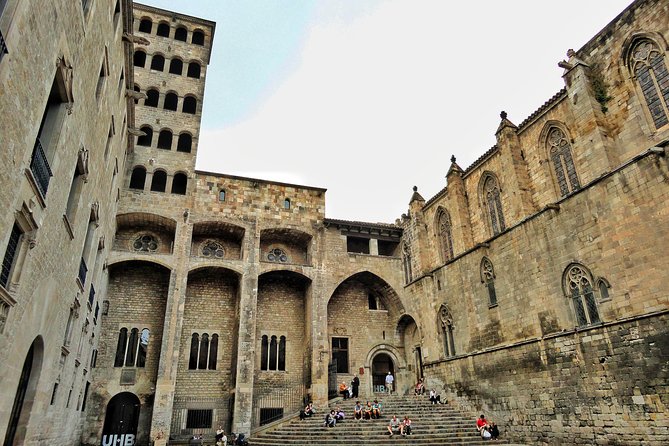
The tour finishes near Palau de la Música Catalana, and this is a strong closer. The building is designed by Lluís Domènech i Montaner, who also taught Gaudí, which adds a neat chain of influence. Even if you do not go inside, the stop gives you a sense of how serious Catalan modernism can be with decoration, sculpture, mosaic work, stained glass, and wrought iron.
Why ending here works: you’ve spent the walk moving through Roman traces, medieval Gothic design, and Old Town space logic. Then Palau de la Música brings you back to a later time where architecture becomes a kind of visual music. It’s the sort of finale that makes the earlier story feel connected, not just like separate stops.
Price and Logistics: Is $22.15 Good Value?
At $22.15 per person for about 2.5 hours, you’re paying for orientation, storytelling, and a route you can trust. You’re not just buying access to buildings. You’re buying a human who can explain how Barcelona’s layers fit together while you walk.
And the small-group factor helps the value. The cap is stated as up to 15 travelers, and descriptions also note up to 12. Either way, it’s not a giant bus-tour crowd, and reviews consistently highlight guides who keep pace comfortable and conversations easy. If you’re the kind of traveler who hates losing time, this format often pays off quickly.
One more value detail: most stops are listed with admission tickets free, while the cathedral and Santa Maria del Mar are marked not included. That means you can keep your spending controlled if you only want key exterior views, and you can add ticketed interiors if they matter to you.
Food and drinks are not included, so bring water and plan small purchases at your own pace, especially at Boqueria.
What the Best Guides Do for You (Names I’d Look For)
This tour is repeatable because the guide quality is the main engine. In the feedback, guides like Joris, Steven, Alba, Nilo, Jose Carlos, Isabel, Miguel, Tatiana, and Laura are praised for friendly, professional guiding and for answering questions as you go.
So here’s the practical takeaway: if you see a guide listed by name at booking, it’s worth choosing the one who matches your style. Many of these guides are praised for keeping the pace right, making the facts clear, and sprinkling in local context so you understand what you’re looking at instead of just memorizing dates.
Who This Tour Fits Best
I think this tour is ideal if you want your first taste of Old Town without getting stuck in map frustration. It’s also a smart choice if you have limited time, because you pack the Gothic Quarter, Ciutat Vella, Rambla, Boqueria, Plaça Reial, El Born, and a UNESCO modernist finish into a single walk.
It also fits families and groups with different interests. Reviews call out family-friendly experiences and stroller-friendliness, which suggests the route is planned with real walking constraints in mind.
If you are coming to Barcelona expecting to do your own wandering afterward, this tour gives you a foundation. You’ll know which streets are “story streets,” which squares are worthwhile, and where the architecture changes style.
Should You Book This Barcelona Old Town Walk?
Yes, I’d book it if you want a well-paced orientation through Barcelona’s oldest neighborhoods with a guide who can answer questions and keep things moving. At this price, you’re buying route confidence and context, not just sightseeing.
I’d think twice only if you already plan to enter the cathedral and Santa Maria del Mar and you dislike budgeting for extra tickets. In that case, the tour can still work, but you should expect to pay for admissions yourself if you want full interior time.
If you’re aiming to see Gothic Quarter highlights, stop at Boqueria for a quick taste, and end with Palau de la Música, this is a clean, practical way to do it in one go.
FAQ
How long is the Barcelona Old Town and Gothic Quarter small group tour?
It runs for about 2 hours 30 minutes.
What does the tour include?
You get a professional local guide and an Old Town walking tour covering the Gothic Quarter and Born District, plus the main Old Town highlights along the route.
How big is the group?
It is a small group. The description notes up to 12 people, and other details list a maximum of 15 travelers.
Is the tour offered in English?
Yes, it is offered in English.
Where does the tour start and where does it end?
It starts at Carrer de Fontanella, 2, Ciutat Vella, 08002 Barcelona. It ends in the city center near Palau de la Música at Carrer del Palau de la Música, Ciutat Vella, 08003 Barcelona.
Are tickets included for the main churches?
Admission is not included for the Barcelona Cathedral and Basilica de Santa Maria del Mar.
Is food or drink included?
No, food and drinks are not included.
Does the tour include hotel pickup or drop-off?
No, there is no hotel pickup or drop-off.
Can children join, and are service animals allowed?
Children must be accompanied by an adult. Children under 2 can join free of charge, and children between 3 and 8 get 30 percent off. Service animals are allowed.
What is the cancellation policy?
Free cancellation is available up to 24 hours in advance for a full refund. Canceling within 24 hours does not get a refund.
Is there a mobile ticket?
Yes, the tour uses a mobile ticket.
The latest to open for booking


Gothic Quarter Walks, side by side.
Barcelona all included: Sagrada, Park Güell, Montjuic & Gothic
Read our review →
Barcelona Gothic Quarter Tapas & Taverns Food & Wine Tour
Read our review →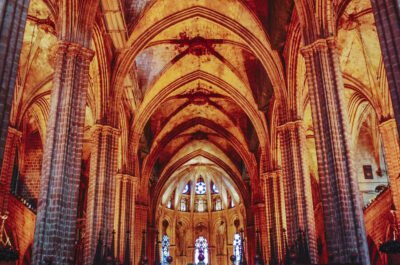
Ramblas, Old Town, Gothic and Gaudi Architecture Walking Tour
Read our review →
El Born and Gothic Quarter Wine & Tapas Bar Tour
Read our review →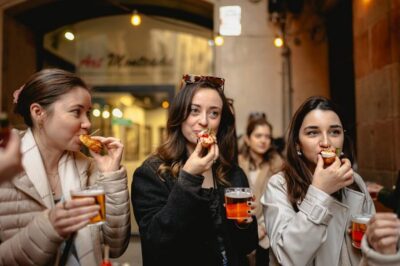
El Born Food Walking Tour with Tapas and Drinks
Read our review →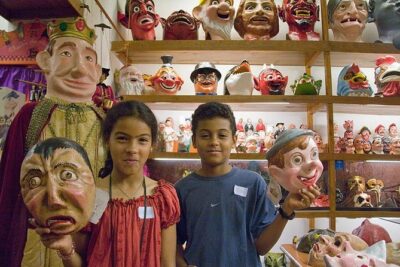
Kids and Family Gothic Quarter Walking Tour in Barcelona
Read our review →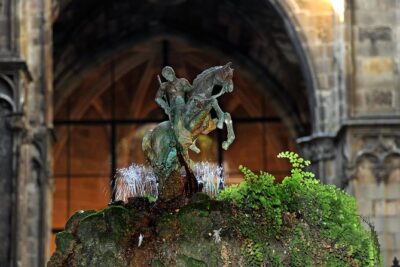
Where else this one turns up