
Reviewed · MUSEUM VISITS
Barcelona: Olympic and Sport Museum – Sports Experience
Sports meets Olympics on Montjuïc.
I liked the interactive sports simulators most, especially the chance to run against Carl Lewis or Usain Bolt and to study swimming techniques with names like Mark Spitz and Michael Phelps. I also really appreciated the Paralympic section, which gives a clear look at sports for blind and visually impaired athletes and wheelchair basketball. The one caution: it is not a huge museum, and one area tied most directly to Barcelona 1992 can feel a bit smaller than you might expect, with fewer sports videos than some people want.
This place is a good value day on the hill. At about $7 per person, you get a mix of Olympic and non-Olympic sports, plus plenty of hands-on moments that work whether you are traveling as a couple or with kids. Just plan for Spanish-first signage, because the museum language listed is Spanish.
In This Review
- Key things to know before you go
- Getting to Montjuïc and setting your expectations
- The heart of the museum: interactive sports zones
- Sprint and swimming stations
- Cycling skills and weightlifting taste tests
- A small drawback to keep in mind
- Olympic Games in context: host cities from Barcelona 1992 to London 2012
- Barcelona 1992 paraphernalia
- Idols space: trophies, milestones, and shoe comparisons
- Compare shoes with Jordan, Pau Gasol, and Roberto Dueñas
- Samaranch collection and live sports match moment
- Paralympic sports: learning history through real events
- Art on paper and Olympic photography included with your ticket
- How long you need, and how to pace it
- Price and value: what $7 buys you in Barcelona
- Who this museum suits best (and who might skip it)
- Should you book this Olympic and Sport Museum visit?
- FAQ
- Where is the Barcelona Olympic and Sport Museum located?
- How much does it cost?
- How long is the experience?
- What sports can I expect to see or try?
- Does the museum include Paralympic sports?
- Are temporary exhibitions included?
- What is included in the ticket?
- Is it wheelchair accessible?
- What language is used inside the museum?
- Can I cancel or change my plans?
Key things to know before you go
- Run, swim, lift, and pedal: try simulators tied to recognizable athletic moments and techniques
- Olympic locations mapped in one place: host cities are shown from Barcelona 1992 through London 2012
- Idols space mixes trophies and athlete comparisons: you can compare shoes with Michael Jordan and also see items tied to Pau Gasol and Roberto Dueñas
- Paralympics get real historical context: football for the blind and visually impaired, plus wheelchair basketball
- Expect art as a bonus, not an afterthought: temporary photo and art-on-paper exhibitions are included with your ticket
Getting to Montjuïc and setting your expectations
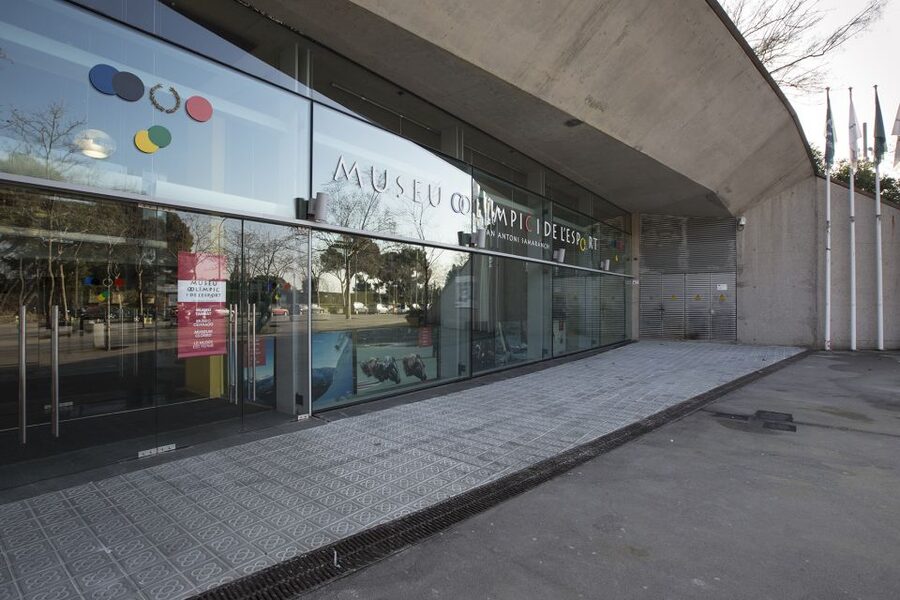
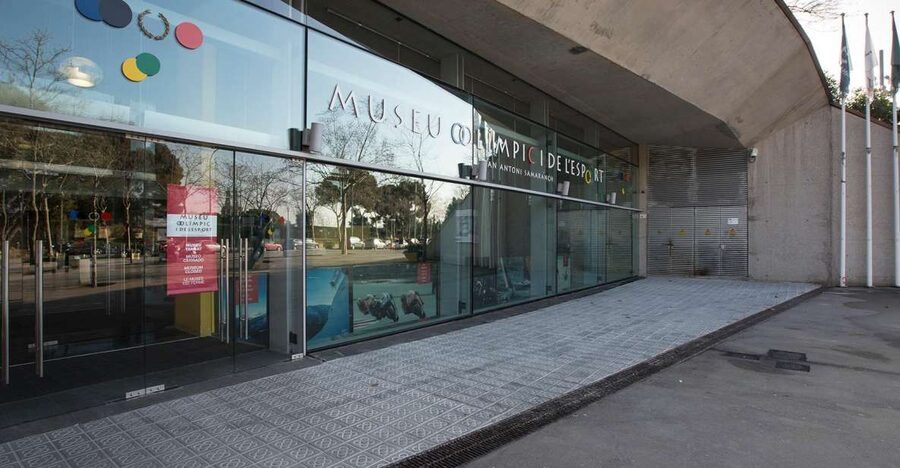
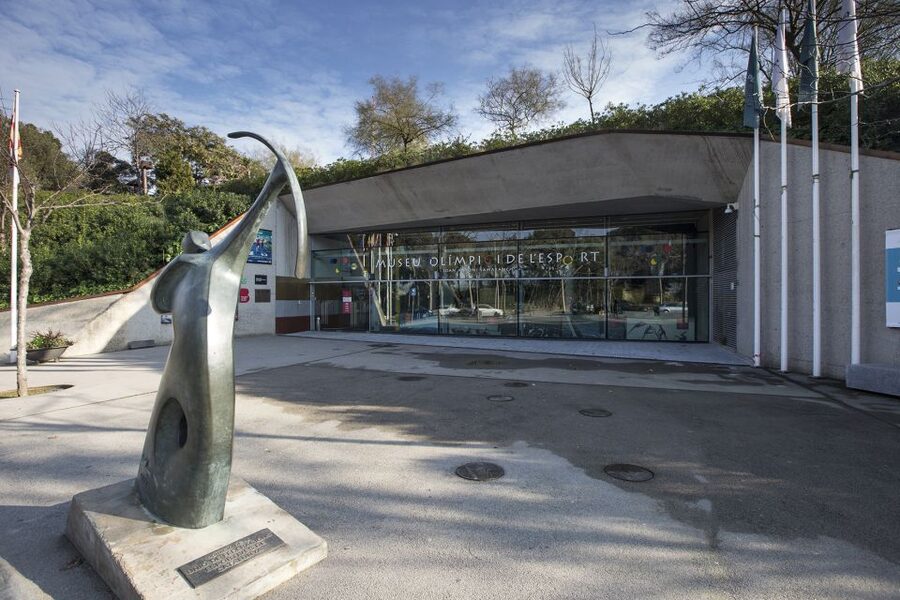
The Olympic and Sports Museum sits on Montjuïc hill, the same area where you already might spend time for views, walks, and Barcelona landmarks. That hill location matters because it helps you turn this into more than a “museum stop.” You can combine it with a morning or afternoon of hill time, then head back to the city when you want a change of pace.
About the size: this is not a sprawling mega-museum. The layout feels designed for people to move through quickly and repeatedly try interactive stations. That is great if you hate “stand and read for hours” days. It can also feel limiting if you came expecting tons of long-form videos or a massive deep archive.
A practical note for planning: the museum is listed with a Spanish-speaking host/greeter, and the museum language is Spanish. Interactive displays will help you follow along even if your Spanish is rusty, but you should still expect some labels and explanations to be in Spanish.
The heart of the museum: interactive sports zones
If you only remember one thing about this visit, make it this: the museum is built around trying sports, not just watching them. You move through interactive spaces that cover both Olympic and non-Olympic sports, including football, Formula 1, skiing, cycling, canoeing, and tennis. That wide net is smart. You do not have to be an Olympics fan to feel like you belong here.
Other things to see around Barcelona
- Barcelona: FC Barcelona Museum “Barça Immersive Tour” Ticket
★ 4.4 · 10,944 reviews - Barcelona: Park Güell and Gaudí House Museum Entry Ticket
★ 4.5 · 6,326 reviews - Barcelona: Picasso Museum Skip-the-Line Guided Tour
★ 4.5 · 3,355 reviews
Sprint and swimming stations
Some of the most fun moments come from the “race the legend” style experiences. You can run against Carl Lewis or Usain Bolt, and that sets the tone: the museum wants you to engage with athletic performance in a playful way.
For water fans, the swimming content is where names really pop. You can check out Mark Spitz or Michael Phelps’ swimming techniques. Even if you only catch part of the station, the point is clear: biomechanics and training details matter, not just the final medal.
Cycling skills and weightlifting taste tests
You can also improve your cycling skills through interactive simulators. The goal is not to turn you into a pro, but to give you a physical sense of how technique and effort translate into performance. If you like doing things with your hands and feet, these stations are a big plus.
There is even a taste of weightlifting via immersive simulators. You get the idea that the museum is trying to teach sports literacy, even while it keeps the tone friendly and approachable.
A small drawback to keep in mind
One realistic consideration: not every sport station will satisfy someone who wants lots of video footage. Some areas feel more interactive and less “media heavy.” Think of it like a sports training arcade with historical context, not like a full documentary library.
Olympic Games in context: host cities from Barcelona 1992 to London 2012
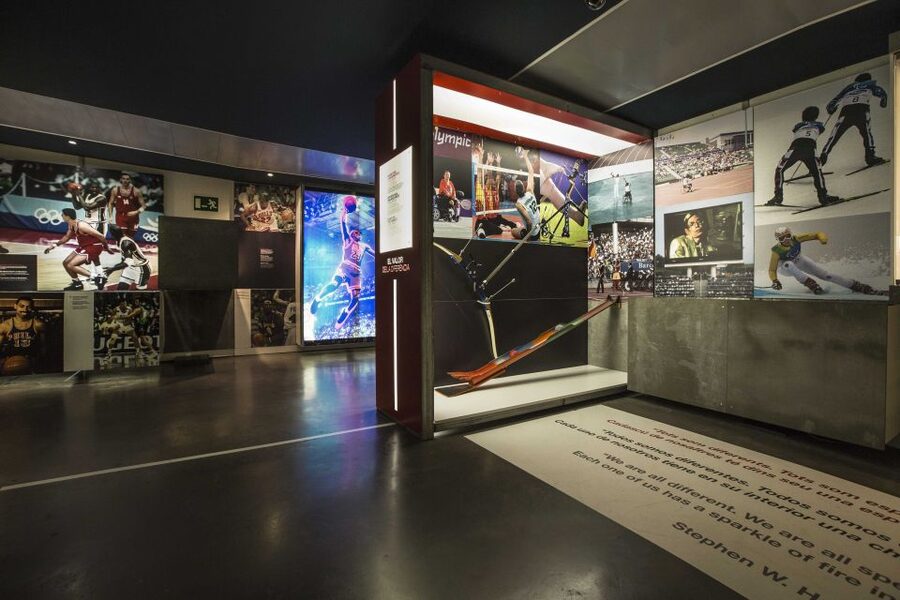
After the hands-on sports play, shift to the Olympic storytelling part. There is a permanent exhibition that walks through Olympic host cities, starting with Barcelona 1992 and continuing to London 2012.
This section is useful because it helps you connect the Olympics to real places over time. You start to see patterns in how the Games adapt city by city, rather than treating each Olympics like a one-off event. If you are the type who likes to understand the “why” behind what you see in a city, this part will feel like it makes the hill and the stadiums you might spot around you more meaningful.
One ticket rarely covers it all. Here's what else is nearby.
- Barcelona: Sagrada Familia Entry Ticket with Audio Guide★ 4.6 · 105,312 reviews
- Barcelona: Park Güell Admission Ticket★ 4.4 · 76,534 reviews
- Barcelona: Casa Batlló Entry with Self-Audioguide Tour★ 4.7 · 25,359 reviews
- Barcelona: Montjuïc Cable Car Roundtrip Ticket★ 4.5 · 22,368 reviews
- Barcelona: Hola Barcelona Public Transport Travel Card★ 4.5 · 20,985 reviews
- Barcelona: 24 or 48-Hour Hop-On Hop-Off Bus Tour★ 4.4 · 20,872 reviews
Barcelona 1992 paraphernalia
Barcelona 1992 is a key thread. You can discover paraphernalia from the Barcelona 92 games inside the Olympic exhibition area. If your trip is timed around that era, this is the part you will want to prioritize. Still, it is worth remembering the museum is not enormous, and that Barcelona 92 portion may feel tighter than a full hour-long “deep” exhibition.
If you want to build a bigger Barcelona 92 day, pair this with nearby stadium sights when possible. I found it helpful to look at the museum as the history primer, then let the outdoor views add the drama.
Idols space: trophies, milestones, and shoe comparisons
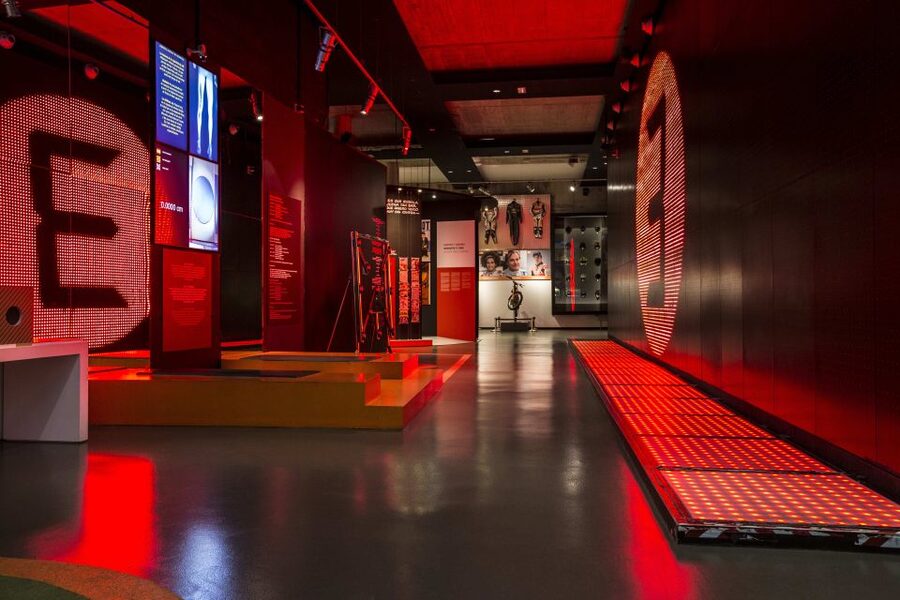
One of the most “wow, that’s specific” sections is the Idols area. It is where the museum slows down and highlights athletes and moments more directly.
Here you can see trophies, milestones, and elements tied to top athletes in Olympic history. It is not only names on walls. The museum pushes you to connect athletes with achievements, then encourages you to compare your own perspective to theirs.
Compare shoes with Jordan, Pau Gasol, and Roberto Dueñas
A fun, low-effort activity that still feels meaningful is the shoe comparison. You can compare your shoes with those of great athletes such as Michael Jordan, Pau Gasol, or Roberto Dueñas.
Why this works: it turns sports icons into something you can picture instantly. Instead of reading about greatness in the abstract, you compare an everyday object to what champions wore. It is a silly idea that does a serious job.
Samaranch collection and live sports match moment
You can also enjoy the Samaranch collection. The museum also references the chance to enjoy a live sports match. In practice, you might catch it depending on timing and what the museum is showing that day, so it is worth checking on arrival.
If you like “today in the museum” energy, this live component is the kind of thing that makes your visit feel current rather than stuck in the past.
Paralympic sports: learning history through real events
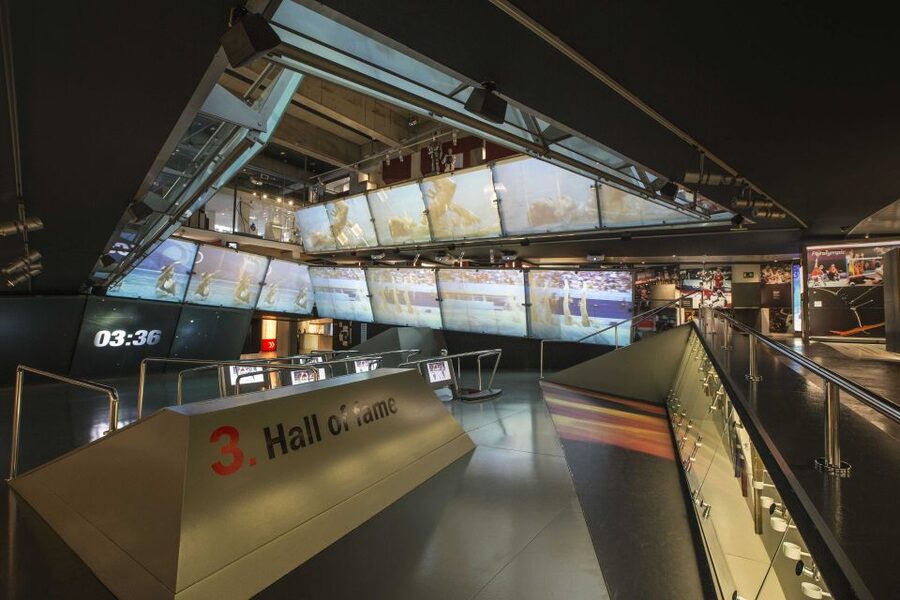
The museum does a good job giving the Paralympic Games their own space and history. You learn about Paralympic sport from early editions through current recognition, with clear categories of events.
Two specific sports are called out: football for the blind and visually impaired, and wheelchair basketball. Those examples matter because they are both distinct and easy to recognize as Paralympic-specific adaptations.
This section is valuable in a travel way. It helps you understand that the Olympics story is not complete without the Paralympic story too. You also walk away with a better sense of how different forms of competition create different skills, not just different rules.
Art on paper and Olympic photography included with your ticket
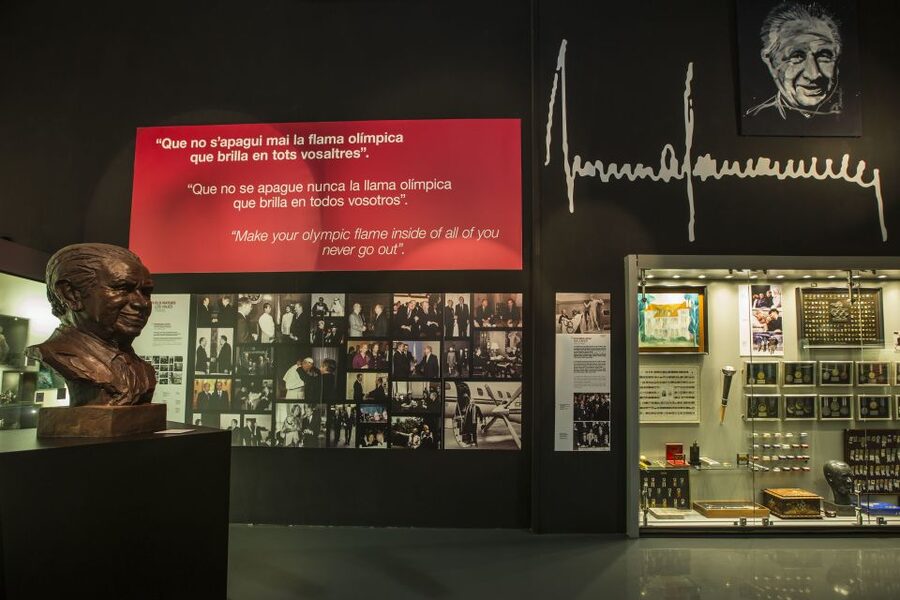
One pleasant surprise is that your museum ticket can include temporary exhibitions that bring art into the sports conversation.
Right now (based on the listed dates), there is:
- Values and Emotions of the COPLEFC Photography Contest, running until January 25, 2026
- XI Barcelona Olympic Foundation International Art on Paper Award, running until November 9, 2025
If you think sports museums are all about trophies and hardware, these art stops change the tone. Photography tied to physical activity values and emotions is a different lens, and the “art on paper” award under a sports foundation umbrella adds a creative angle to what “sport” can mean beyond competition.
Even if you are not a big art person, these exhibitions break up the day and give your brain a reset between interactive sports stations.
How long you need, and how to pace it
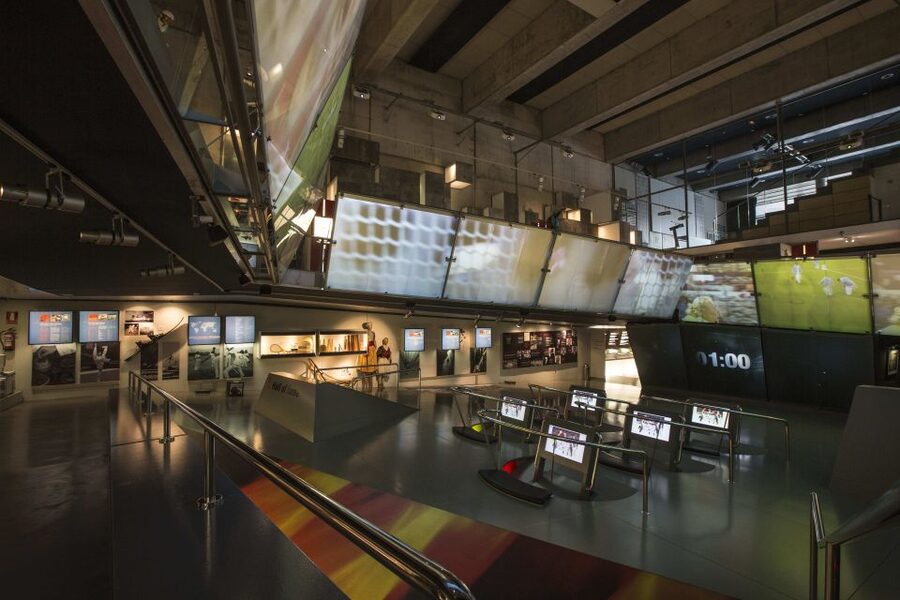
The experience is a 1-day visit, and you will probably feel done after a focused session through the main zones. Because it is interactive and not enormous, you do not need to plan your whole day around it. But you should plan enough time to try more than one simulator.
My practical pacing tip:
- Start with the sports stations so your energy is high
- Then move to Olympic host cities and the Barcelona 92 paraphernalia
- Finish with Idols, Paralympics, and the temporary art exhibitions so you end on variety
If the museum is quieter, it is easier to linger at stations and actually try things rather than rush. One review noted the visit felt quiet, and that sounds like a big part of why it was enjoyable. If you have flexibility, aim for a time when you can take your time without waiting.
Also, remember this museum is listed as Spanish-language. If you want to read slowly and absorb the explanations, add time for that.
Price and value: what $7 buys you in Barcelona
At around $7 per person, this is the kind of attraction that feels like a smart “use your time well” move. You are not just paying for entry, you are paying for a chance to do things: races, technique comparisons, cycling practice, and weightlifting-style challenges.
The value is strongest if you are:
- traveling with kids who need hands-on activities
- visiting a day when you want something weather-proof
- curious about how the Olympics links to the city, starting with Barcelona 1992
It is also a good pick if you like recognizable athlete references. Carl Lewis, Usain Bolt, Mark Spitz, Michael Phelps, and Michael Jordan appear in the experience in ways that make the museum feel more modern and more fun.
Where the value might feel lower: if you are mainly hunting for massive video archives or a long, detailed breakdown of Barcelona 1992 venues and events. The museum can feel more focused on interactive stations than on deep media content.
Who this museum suits best (and who might skip it)
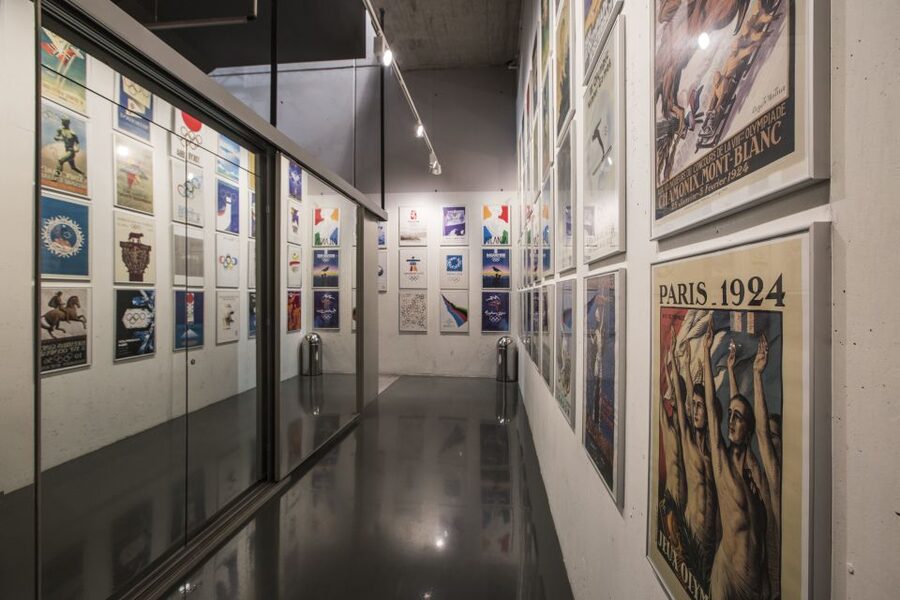
You will likely love this if you want a family-friendly, interactive museum day that mixes sports education with playful try-it experiences. It works for a range of ages because stations are physical and game-like, and the historical sections give adults something to read and connect to.
This is also a good choice if you want to break up a Montjuïc day. The hill setting makes it easy to pair with nearby views and photo spots when openings allow.
If you are the type who only wants a serious, scholarly museum with lots of long videos and long timelines, you might find it a bit too light. The museum’s structure is part of its charm, but it is also the limitation.
One more practical note: unaccompanied minors are not allowed, so plan for supervision with kids.
Should you book this Olympic and Sport Museum visit?
Yes, I think you should book it if your ideal day includes hands-on sports stations and you like tying what you learn to Barcelona landmarks on Montjuïc. For the listed price, the mix of Olympic and non-Olympic sports, plus Paralympic history and the temporary art exhibitions, gives you more variety than many attractions this size.
Book it especially if you want an easy win: something to do when the weather is iffy, something kids can enjoy without boredom, and something adults can still take seriously with athlete and host-city context. If you are only interested in a huge Barcelona 1992 documentary-style museum, you might prefer a different kind of visit. But if you like trying sports skills and learning through sport stories, this one is a solid pick.
FAQ
Where is the Barcelona Olympic and Sport Museum located?
It is on Montjuïc hill in Barcelona, in Catalonia, Spain.
How much does it cost?
The price is listed as $7 per person.
How long is the experience?
It is valid for a 1 day visit.
What sports can I expect to see or try?
The museum includes both Olympic and non-Olympic sports, including football, Formula 1, skiing, cycling, canoeing, and tennis, along with interactive stations related to sprinting, swimming, cycling skills, and weightlifting-style training.
Does the museum include Paralympic sports?
Yes. There is a special Paralympic section covering history, including football for blind and visually impaired athletes and wheelchair basketball.
Are temporary exhibitions included?
Yes. Your ticket includes temporary exhibitions such as the COPLEFC photography contest (until January 25, 2026) and the XI Barcelona Olympic Foundation International Art on Paper Award (until November 9, 2025), based on the listed dates.
What is included in the ticket?
The ticket includes the entrance, Wi-Fi, and toilets.
Is it wheelchair accessible?
Yes, it is listed as wheelchair accessible.
What language is used inside the museum?
The museum language listed is Spanish.
Can I cancel or change my plans?
Free cancellation is listed, with cancellation allowed up to 24 hours in advance for a full refund. Reserve now and pay later is also listed.
The latest to open for booking
Museum Visits, side by side.

FC Barcelona Museum “Barça Immersive Tour” Ticket
Read our review →
Park Güell and Gaudí House Museum Entry Ticket
Read our review →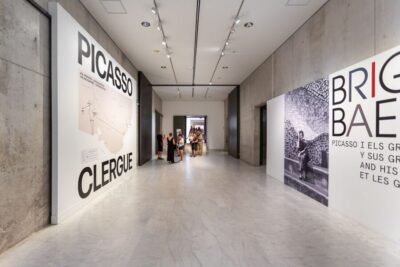
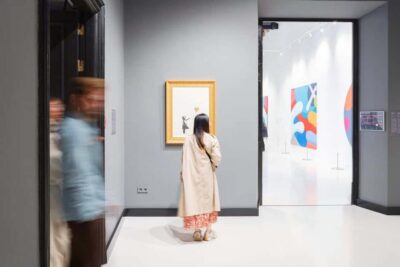
Moco Museum Barcelona: Modern & Contemporary Art
Read our review →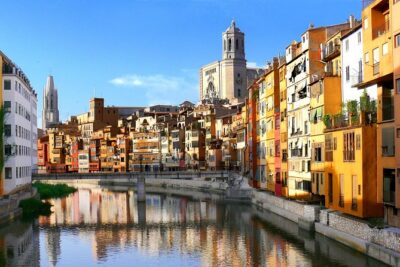
Girona & Dali Museum Small Group Tour with Pick-up from Barcelona
Read our review →
Barcelona Card: 25+ Museums and Free Public Transportation
Read our review →
Barcelona Interactive Spanish Cooking Experience
Read our review →
Where else this one turns up