
Reviewed · WALKING TOURS
Barcelona: Raval Street Art and Graffiti Walking Tour
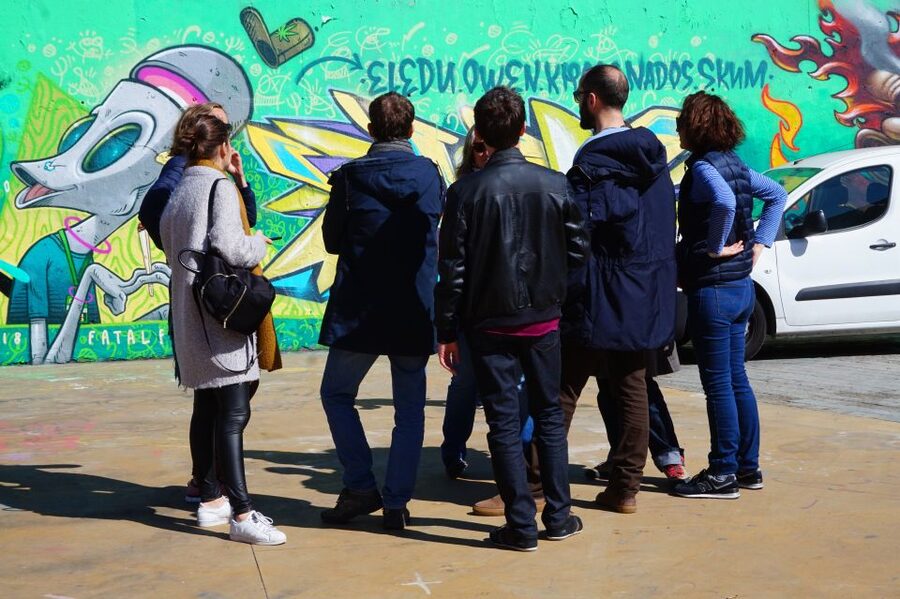
Raval street art is right on the sidewalk. This 2-hour Barcelona experience leads you through the barrio Xino street scene with an expert guide, then ends at the Barcelona Museum of Contemporary Art exterior so you can choose how much modern art time you want. Along the way, I like that the guides bring real context, with names like Juan, Anais, Jeanne, and Sylvia showing up in standout reports of warm, smart guiding.
I especially like two things about this tour. First, you get both local and international art energy, including stops connected to artists such as Keith Haring, plus examples from the Arnau Gallery. Second, you’re not just sightseeing walls, you’re learning how graffiti styles and street art projects fit into Barcelona life, with guides who answer questions even on bigger, political topics.
One drawback to consider: it is short. Two hours means you’ll see a strong cross-section of Raval murals and graffiti, but if you want to linger for a long time at every surface, you may feel a bit rushed. Also, the museum admission is not included, so any inside visit needs extra time and a separate ticket.
In This Review
- Key takeaways before you go
- Why Raval is perfect for a street art walk
- Starting point near Jardins Talia, and how the tour pace works
- How the route teaches you to read murals and graffiti
- Arnau Gallery, local projects, and what makes it more than a side stop
- Keith Haring and the international thread in Raval
- Tres Chimeneas skate spot, where art and street culture overlap
- Finishing at the Barcelona Museum of Contemporary Art exterior
- Price and value: what $33 buys you in real terms
- Best fit: who should book this Barcelona graffiti and street art tour
- Should you book this tour?
- FAQ
- How long is the Barcelona Raval Street Art and Graffiti Walking Tour?
- How much does it cost?
- Where do I meet the guide?
- What’s included in the price?
- Do I get into the Barcelona Museum of Contemporary Art with the tour?
- What languages are available for the guide?
- What will I see in the Raval neighborhood?
- Is the tour good for art lovers and people curious about street culture?
- Can I cancel or change my plans?
Key takeaways before you go
- A street-by-street local guide feel that helps you notice details you would miss walking alone
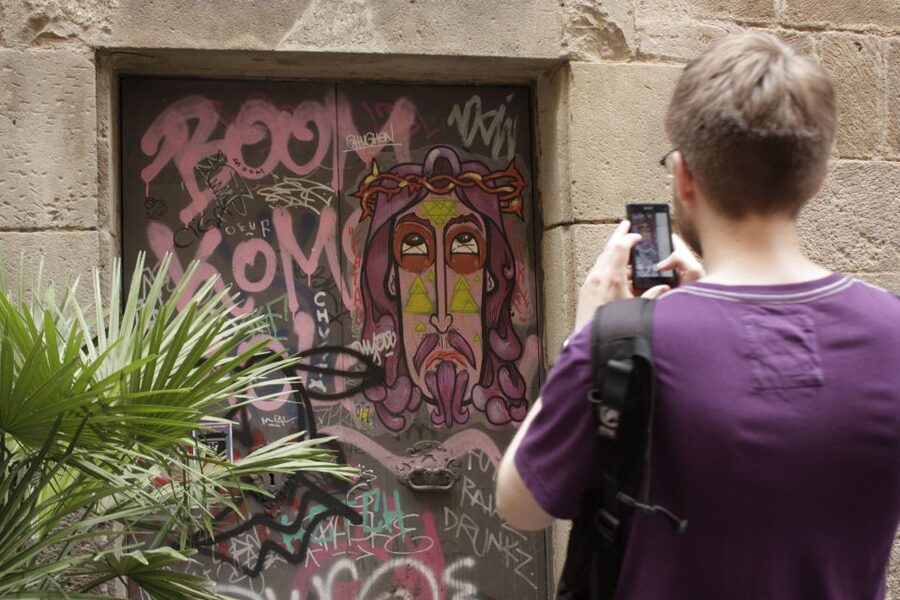
- Raval’s mix of murals and graffiti across apartment blocks, houses, and public spaces
- Arnau Gallery focus on works tied to local residents and urban art projects
- Tres Chimeneas skate spot stop where street art culture and street life overlap
- Keith Haring sightings and other international touches woven into local storytelling
- MACBA exterior finish with the option to visit the museum independently
Why Raval is perfect for a street art walk
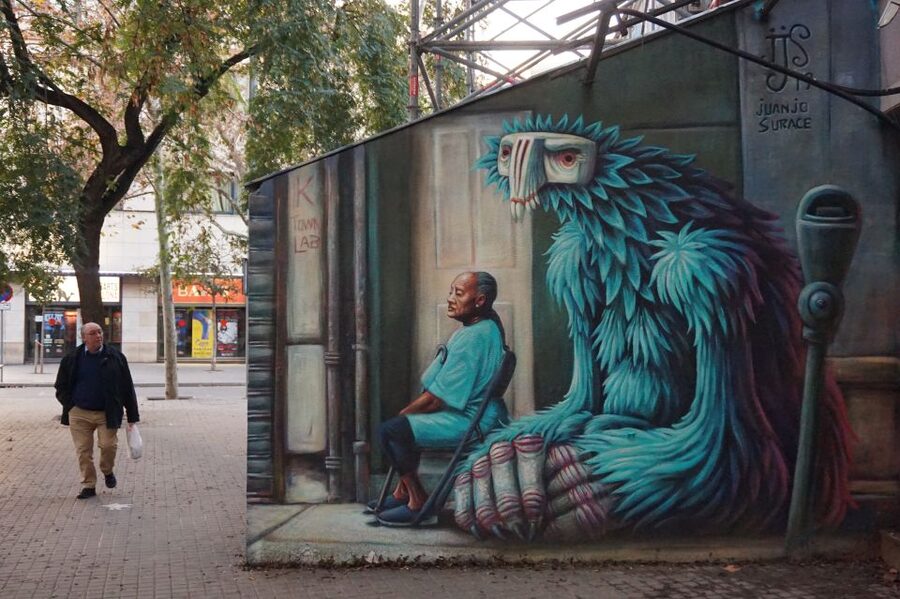
Raval is the kind of neighborhood where art doesn’t feel like a museum object. It’s on the walls of everyday buildings, in parks and side streets, and in the mix between murals and sharper graffiti tags. That matters, because you get to see street art as something made for the city, not something placed into the city.
You’ll also hear Raval called barrio Xino, a nickname that signals the area’s reputation for alternative culture. Whether you come for sketchy-cool walls or you just want something more real than the postcard routes, this is one of the best ways to understand why people care about street art here. The tour frames it as a conversation between artists, neighborhoods, and the public.
Starting point near Jardins Talia, and how the tour pace works
The meeting point is Jardins Talia on Avenida Paralel 100. This is a practical choice because it puts you in the zone you’ll be walking through, without wasting time getting organized across town.
From there, the guiding style is part of the value. Reports of guides like Juan and Anais point to a generous, friendly approach, plus good English (and also French and Spanish options). That matters because street art can look random until someone gives you a way to read it. The best part is not memorizing facts. It’s learning what to look for as you move, like how styles change across different walls and how certain projects connect to local creativity.
Also, expect a walk-first experience. This isn’t a sit-and-watch presentation. You’re moving through Raval, stopping when it counts, and then moving again. If you like short stops with good explanations, this format fits well.
Other things to see around Barcelona
- Barcelona Street Art and Graffitti Bicycle Tour
★ 5.0 · 361 reviews - Barcelona Street Art Tour with Exclusive Artist Studios Visit
★ 5.0 · 152 reviews - Raval Street Art and Graffiti Guided Tour in Barcelona
★ 5.0 · 81 reviews
How the route teaches you to read murals and graffiti
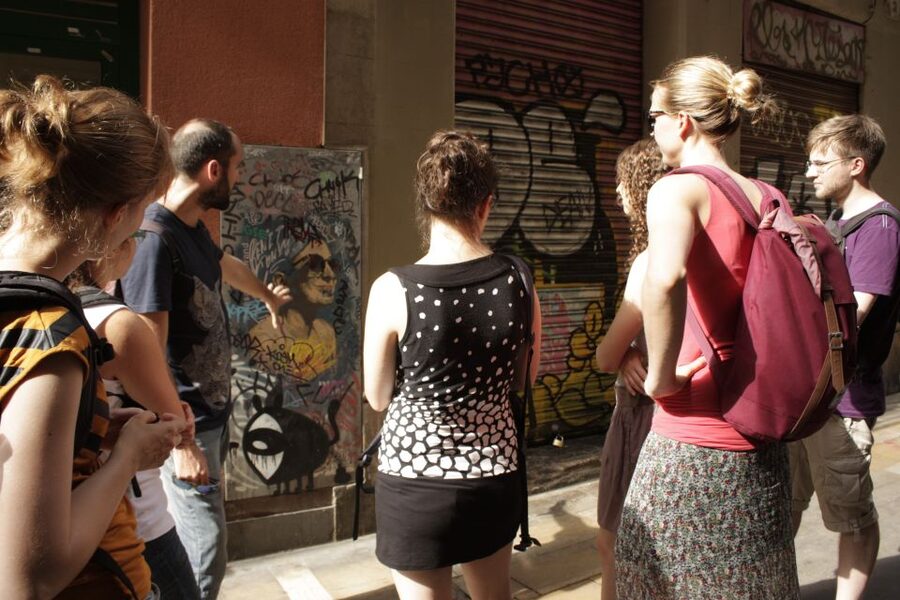
Street art tours can go one of two ways: either it’s all wow, or it’s all theory. This one aims for the middle. You’ll see plenty of colorful works across Raval, but the guide also connects those pieces to what graffiti is as a practice.
You can walk the neighborhood on your own and still miss the pattern. A good guide helps you catch things like style origins, different ways writers and muralists build identity, and how street art becomes a local language. One report highlighted that the guide explained the origin of graffiti in general and talked through different styles, then stayed open for questions. Another emphasized how the tour connected street art with hip hop culture, which can help you understand why these visuals often carry rhythm, attitude, and community signals.
Even small details matter. One person mentioned noticing things like little cans on the walls, which sounds minor until you realize it shows how close the art is to the working process. That kind of observation is what turns a photo stop into a real street-art education.
Arnau Gallery, local projects, and what makes it more than a side stop
Arnau Gallery is one of the key named moments in this tour, and it helps explain the street art ecosystem beyond the sidewalk. The point isn’t that a gallery automatically makes street art more important. It’s that a gallery stop can show you how local residents and local projects keep feeding the same visual world you saw outside.
In other words, you’re not only chasing murals like a scavenger hunt. You’re learning how art moves between spaces and communities. Seeing examples of works by local residents at Arnau Gallery gives context to what you’re noticing in the street. It also helps you avoid the common mistake of assuming street art equals one single style or one single message.
If you love modern art but you want it grounded in real neighborhood creativity, this is the part that makes the tour feel purposeful. It turns a street walk into a mini storyline.
Keith Haring and the international thread in Raval
One reason street art fans get excited in Raval is that the walls can carry international references, not just local names. This tour includes major works associated with international artists such as Keith Haring, which adds a helpful contrast.
Why that contrast matters: when you see international influence, you can start asking better questions. Is this work about the artist’s public style, about message, about youth culture, or about the way street art travels? The guide-led discussion helps you connect those dots so you’re not just spotting a recognizable name and moving on.
A useful mindset for this part of the walk is to look for differences in technique. Even if two images look similar at first glance, they might come from different origins, different goals, and different ideas about how public space should look. This tour pushes you to notice those changes.
Tres Chimeneas skate spot, where art and street culture overlap
The stop at Tres Chimeneas is described as legendary, and that label makes sense because it’s where street art culture often connects to the day-to-day reality of people using the city. The tour doesn’t treat this as a photo op only. You’ll hang out at the spot as part of the experience, which helps you feel the street art scene as something lived, not staged.
Skate spots also tend to attract a certain crowd and certain energy. That can shape the way you interpret nearby visuals, too. You might start seeing tags and murals as part of street identity, not just decoration. If you’re interested in the crossover between visual art and street music culture, this is one of the best places to understand that overlap.
One ticket rarely covers it all. Here's what else is nearby.
- Barcelona: Sagrada Familia Entry Ticket with Audio Guide★ 4.6 · 105,312 reviews
- Barcelona: Park Güell Admission Ticket★ 4.4 · 76,534 reviews
- Barcelona: Casa Batlló Entry with Self-Audioguide Tour★ 4.7 · 25,359 reviews
- Barcelona: Montjuïc Cable Car Roundtrip Ticket★ 4.5 · 22,368 reviews
- Barcelona: Hola Barcelona Public Transport Travel Card★ 4.5 · 20,985 reviews
- Barcelona: 24 or 48-Hour Hop-On Hop-Off Bus Tour★ 4.4 · 20,872 reviews
Finishing at the Barcelona Museum of Contemporary Art exterior
At the end, you reach the Barcelona Museum of Contemporary Art exterior. This is a smart finish because it gives you a visual transition: the walk is grounded in streets and neighborhoods, then you’re placed in front of a major contemporary art institution.
The museum admission is not included, but you can visit independently after your tour. The museum is described as showing works from three distinct periods of modern art. That means if you still have energy, you can continue your art day without restarting from scratch.
Even if you skip the interior, the exterior stop has value. It makes the conversation clearer. Street art and museum art are not the same thing, but they talk to each other. Seeing the building after the street route can help you decide what kind of modern art you want next, depending on what you connected with on the walls.
Price and value: what $33 buys you in real terms
The cost is $33 per person, and the big value here is not a single famous mural. It’s the guided structure for a short, focused time block. You’re getting a tour guide plus a walking tour format for about two hours, which is ideal if you want a concentrated hit of Raval street art without spending half a day on transit and planning.
Admission to the museum is not included, so think of this as a street art tour with an optional museum extension. If you plan to go inside, you should budget extra time and money for the ticket. If you do not plan to go inside, you still finish the tour with a solid sense of what the neighborhood is saying, and you get a clear stopping point rather than a long, fuzzy end.
Also, the guide-led attention seems to be the standout repeat theme. People describe guides as friendly, charming, and generous with knowledge, and they note how much they learn from the details. In plain terms, if you care about understanding street art rather than just collecting photos, this price can feel fair.
Best fit: who should book this Barcelona graffiti and street art tour
This tour fits you best if you want:
- A guide-led way to notice street art details and understand the styles
- A route that mixes murals and graffiti, not just one type of artwork
- Local perspective from someone who can explain projects like Arnau Gallery and street culture overlaps
- A short, walkable experience rather than a long day
It also works well if you’re traveling with mixed interests. Even if you don’t know graffiti styles, you’ll still get stories and context, including connections to hip hop culture and how guides handle bigger questions. If you prefer museums, the exterior finish gives you a clean next step for your art plan.
And if you’re using wheelchair access, the tour is listed as wheelchair accessible, which is a big plus when you’re trying to do neighborhood exploring without giving up.
Should you book this tour?
Yes, if you want a focused Raval street art experience with an expert guide, Arnau Gallery context, and a culturally grounded stop at Tres Chimeneas. The guides and their willingness to answer questions look like the biggest strength, and the walk is short enough to fit into a busy Barcelona schedule.
Skip it or plan differently if you need a long art day, because two hours is not built for slow, wall-by-wall lingering. Also, if you want museum time, remember the Barcelona Museum of Contemporary Art admission is not included, so you’ll need to decide on a separate visit after the tour.
If your goal is to understand Raval, not just photograph it, this is an easy yes.
FAQ
How long is the Barcelona Raval Street Art and Graffiti Walking Tour?
The tour lasts 2 hours.
How much does it cost?
It is priced at $33 per person.
Where do I meet the guide?
Meet at Jardins Talia park on Avenida Paralel 100, 08015 Barcelona.
What’s included in the price?
The tour includes a tour guide and a walking tour.
Do I get into the Barcelona Museum of Contemporary Art with the tour?
No, museum admission is not included. You can visit independently after the tour.
What languages are available for the guide?
The live tour guide is available in English, French, and Spanish.
What will I see in the Raval neighborhood?
You’ll explore Raval and look at colorful murals and graffiti pieces on building exteriors and in local spaces, along with key stops tied to local urban art projects.
Is the tour good for art lovers and people curious about street culture?
Yes. The tour is designed around street art and graffiti, and guides are reported to explain origins of graffiti styles and connect street art with cultural topics like hip hop culture.
Can I cancel or change my plans?
Free cancellation is available up to 24 hours in advance for a full refund. You can also reserve and pay later.
The latest to open for booking




Walking Tours, side by side.
Barcelona Tapas and Wine Experience Small-Group Walking Tour
Read our review →
Tapas Walking Tour with Food, Wine, and History
Read our review →

Barcelona Tapas Walking Tour: Food, Wine & History
Read our review →
Barcelona Helicopter, Sailboat & Old Town Private Walking Tour
Read our review →

Guided Food Walking Tour with Tapas and Wine
Read our review →Where else this one turns up