
Reviewed · WALKING TOURS
Barcelona: Raval Walking Tour
Raval has a story you feel fast. I like how this tour pairs a professional local guide with real street-level context, so history turns into something you can picture. I also enjoy that it’s small group and on foot, which makes the neighborhood feel personal instead of like a checklist.
One thing to consider, the theme is edgy and the area has a controversial side, so it’s not a tour for kids under 10. If you prefer a calm, polished, tourist-only Barcelona, this may feel a bit too real.
In This Review
- Key points to know before you go
- Why El Raval Feels Like the Real Barcelona
- The 2.5-Hour Walk: What You’ll Experience on Foot
- Barrio Chino, From Marginalized Lives to a Multicultural Present
- Street Art and Urban Change, How the Murals Explain the City
- Convents, Anarchy, and Industrialization, the Rebel Threads That Tie It Together
- Price, Duration, and What Makes This $26 Feel Fair
- Should You Book This El Raval Walking Tour?
- FAQ
- How much does the Barcelona: Raval Walking Tour cost?
- How long is the tour?
- Is the tour wheelchair accessible?
- What language is the live guide?
- Is the tour suitable for children?
- What is included in the tour price?
- Can I cancel and do I pay upfront?
Key points to know before you go
- El Raval on foot, for a less touristy Barcelona route with local stories and hidden corners
- Barrio Chino history, from marginalized lives and brothel-era reputation to today’s multicultural mix
- Street art focus, with murals and small artistic details you might miss without guidance
- Rebel-focused storytelling, including anarchist movements, wounds, and rebirth in the neighborhood
- Local tips included, so you leave with ideas on what to see and where to eat nearby
Why El Raval Feels Like the Real Barcelona
El Raval is the part of Barcelona that doesn’t try to impress you. It’s more honest, more layered, and it comes with complicated history. That’s exactly why I think this kind of walking tour is a smart choice if you want the city beyond the photo spots.
What makes the Raval story click is the way the neighborhood is presented as changing over time. You’re not just told facts. You’re guided through themes that explain why the streets look the way they do: old institutions and convents, the political pressure of anarchist movements, industrial-era shifts, and later gentrification.
I also like the tour’s emphasis on multiculturalism. The area is described as a colorful mosaic now, and you’ll get that sense through the stories your guide shares and the way the neighborhood’s past connects to the present. If you’ve ever felt like Barcelona’s center is a bit too smooth, this is the counterbalance.
The 2.5-Hour Walk: What You’ll Experience on Foot
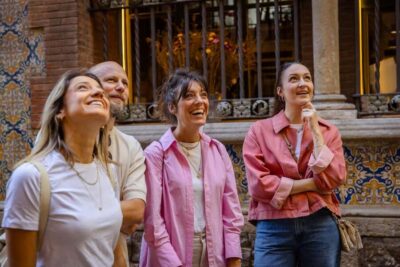
This is a 2.5-hour, small-group walk through El Raval, paced for conversation and questions. You’ll spend your time moving street to street, which matters here, because the “why” of the neighborhood is often written in the street layout, the buildings, and the wall art.
The flow generally follows a pattern that builds meaning as you go. You’ll start with older layers of the district, including ancient convents and early settings for the neighborhood’s more controversial reputation. From there, you move into the era that’s often associated with Barrio Chino, when the area was famous for brothels and marginalized lives. The goal isn’t shock for shock’s sake. It’s to show how social hardship and neglect can leave long marks on a place.
Next, you’ll connect those older chapters to industrialization and anarchist movements, and how they shaped the neighborhood’s rebellious energy. After that, the tour shifts toward what’s happening today, with urban transformation and newer cultural centers.
Finally, you’ll see how street art and murals fit into the present-day identity of the Raval. It’s not just “look at the pretty wall.” The way the tour describes artistic changes makes the art feel like a response to the neighborhood’s history, including spots marked by wounds and rebirth.
You’ll also get practical value built in: local tips on what to see and where to eat after the walk. That can save you time later, especially in a district where it’s easy to wander without a plan.
Other things to see around Barcelona
- Barcelona Tapas and Wine Experience Small-Group Walking Tour
★ 5.0 · 5,804 reviews - Barcelona: Tapas Walking Tour with Food, Wine, and History
★ 4.8 · 4,261 reviews - Barcelona: Food Walking Tour with Tapas and Wine
★ 4.9 · 2,180 reviews
Barrio Chino, From Marginalized Lives to a Multicultural Present
Barrio Chino is one of those neighborhood names that can sound like history text, but here it’s treated like lived reality. You’ll learn how the district became known for brothels and for the lives of people who were pushed to the edges.
What I like is that the tour doesn’t stop at the past. It explains how the neighborhood is now described as a multicultural mosaic, and how that shift changes the atmosphere you experience on the street. In other words, you understand why people live and work here today in ways that are different from the old reputation.
You’ll also hear about the forces that caused the neighborhood to evolve. Industrialization is highlighted as one of the big drivers, and anarchist movements as another layer of identity. Put simply, your guide helps you connect the politics and economics to what you see around you now. That kind of connection is what turns a walking route into a real understanding of a place.
A practical benefit: once you grasp that timeline, you’ll start noticing details without needing them pointed out. Murals make more sense, and even the feel of specific streets becomes easier to interpret.
Street Art and Urban Change, How the Murals Explain the City
If you want Barcelona where the walls talk back, this is your lane. The tour includes street art as a major thread, along with small artistic wonders in corners you’d probably skip if you only followed the biggest sights.
You’ll see murals and pay attention to how they sit in the neighborhood’s broader story. In El Raval, street art often feels like both memory and message. Your guide’s job is to give you the context for why certain walls and corners matter, not just what they look like.
The tour also points out areas marked by wounds and rebirth. That framing helps you avoid a common mistake: treating street art as decoration only. Here, it’s part of how the neighborhood has responded to conflict, hardship, and change.
One note for planning your expectations: because the Raval is described as “controversial” and “authentic,” some stops can feel darker or more uncomfortable than the typical postcard Barcelona walk. If that theme matches your travel style, you’ll likely find it compelling. If you want everything light and easy, you may prefer a different kind of tour.
Convents, Anarchy, and Industrialization, the Rebel Threads That Tie It Together
This walking tour uses history as a set of threads, not as a list of dates. You’ll hear about ancient convents, and then you’ll connect that older religious and institutional presence to later political turbulence. The story includes anarchist movements, described as deeply marking the area.
Industrialization also comes up as a key factor. That matters because industrial change often brings new workers, new rhythms, and new pressures, and those pressures can shape neighborhoods for generations. The tour frames this as part of why El Raval developed its distinctive mood.
Then comes the modern chapter: recent gentrification bringing artistic vitality and new cultural centers. Gentrification is not presented as a simple good story or a bad story. It’s explained as a real shift that changes what the neighborhood offers and who feels at home there.
If you like your travel education grounded in actual streets, this is the right approach. Instead of reading about Barcelona’s big movements, you’re watching how they survive in the urban fabric.
Price, Duration, and What Makes This $26 Feel Fair
At $26 per person for 2.5 hours, this tour is priced like a budget-friendly neighborhood experience with a professional local guide. For me, the value comes from three things.
First, it’s a local-guided walk in a district where self-guided exploring can easily turn into aimless wandering. Second, the guide adds story and context, especially around Barrio Chino, anarchist movements, industrialization, and urban transformation. That kind of interpretation is what you’re paying for.
Third, you get local tips on what to see and where to eat. That may not sound dramatic, but it’s genuinely useful in El Raval, where you’ll want a quick sense of what’s worth your time after the tour.
Group size is described as small, and that usually helps keep the experience conversational. If you like asking questions and getting recommendations you can use immediately, this format fits.
One ticket rarely covers it all. Here's what else is nearby.
- Barcelona: Sagrada Familia Entry Ticket with Audio Guide★ 4.6 · 105,312 reviews
- Barcelona: Park Güell Admission Ticket★ 4.4 · 76,534 reviews
- Barcelona: Casa Batlló Entry with Self-Audioguide Tour★ 4.7 · 25,359 reviews
- Barcelona: Montjuïc Cable Car Roundtrip Ticket★ 4.5 · 22,368 reviews
- Barcelona: Hola Barcelona Public Transport Travel Card★ 4.5 · 20,985 reviews
- Barcelona: 24 or 48-Hour Hop-On Hop-Off Bus Tour★ 4.4 · 20,872 reviews
Should You Book This El Raval Walking Tour?
Book it if you want a more honest Barcelona, one that includes difficult topics and the neighborhood’s rebellious side. This tour is a good fit for adults and older teens who enjoy street-level history, street art, and multicultural perspectives.
Skip it if your ideal day is quiet, kid-friendly, and focused only on major landmarks. It’s also not suitable for children under 10, and the district’s controversial reputation means the tone may not match everyone’s comfort level.
One extra detail worth noting: the tour is in Italian with a live Italian guide, and some content may appear in the original language. If you’re comfortable with Italian, you’ll likely get more out of it. If you don’t speak Italian, consider whether you’ll still enjoy the street-art and atmosphere even with limited language support.
If your Barcelona plan needs one walk that feels like the city’s real undercurrent, this is a strong pick.
FAQ
How much does the Barcelona: Raval Walking Tour cost?
It costs $26 per person.
How long is the tour?
The tour lasts 2.5 hours.
Is the tour wheelchair accessible?
Yes, it is wheelchair accessible.
What language is the live guide?
The live tour guide is Italian.
Is the tour suitable for children?
No. It is not suitable for children under 10.
What is included in the tour price?
You get a professional local guide, a guided walking tour of the neighborhood, historical, cultural, and urban stories, insights into less touristy places, and local tips on what to see and where to eat, plus a small group experience.
Can I cancel and do I pay upfront?
You can cancel up to 24 hours in advance for a full refund. You can also reserve now and pay later, meaning you pay nothing today.
The latest to open for booking



Walking Tours, side by side.
Barcelona Tapas and Wine Experience Small-Group Walking Tour
Read our review →
Tapas Walking Tour with Food, Wine, and History
Read our review →

Barcelona Tapas Walking Tour: Food, Wine & History
Read our review →
Barcelona Helicopter, Sailboat & Old Town Private Walking Tour
Read our review →
Guided Food Walking Tour with Tapas and Wine
Read our review →Where else this one turns up