
Reviewed · DRINKING TOURS
Barcelona: Vermouth-making workshop with aperitif
Vermouth can be craft, not just a drink. In Barcelona, this 2-hour session at the official Instituto del Vermut mixes blind tasting with hands-on bottle making, plus the kind of history lesson that sticks. You learn how vermouth gets built, then you get to compare styles and make your own artisanal bottle to take home.
Two things I really like are the interactive format, theory plus practice, and the fact that you taste in a structured way, not just sip and guess. One watch-out: it is not an open bar, and you only get tasting pours and a small appetizer, so you may want to eat a real meal after.
In This Review
- Key things to know before you go
- Instituto del Vermut: why this workshop feels official
- The 2-hour flow, starting weekends at 11:30 AM
- Blind tasting: train your nose and taste for sensory phases
- Learn vermouth history and the practical “secrets”
- Make your own bottle with multiple botanicals
- Pica Pica appetizer, plus the final quiz and certificate
- Price check: is $40 good value?
- Language and style: what to expect in Catalan and Spanish
- Who should book this workshop, and who should skip it
- Practical tips that make the session smoother
- Should you book this Barcelona vermouth workshop?
- FAQ
- How long is the vermouth-making workshop in Barcelona?
- What time does it run on weekends?
- Where do we meet?
- Is this an open bar?
- What is included in the ticket price?
- Is food included?
- What languages is the workshop in?
- What should I bring, and can I record?
Key things to know before you go
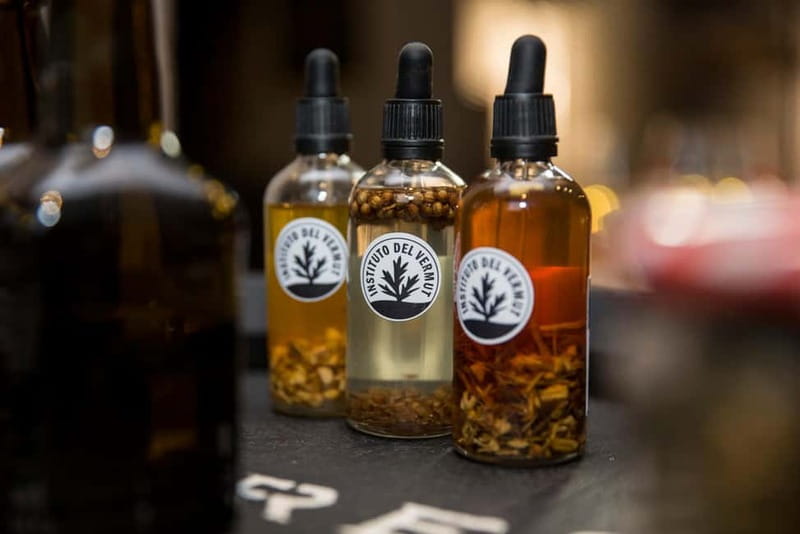
- Official workshop focus at the Instituto del Vermut, centered on vermouth culture and education
- Blind tasting of 2 premium vermouths across sensory phases, so you train your palate
- Make your own artisanal bottle using multiple botanicals, sized for travel
- Pica pica appetizer included, served with your tasting experience
- Final quiz with a certificate for the winner, which makes the session feel playful and competitive
Instituto del Vermut: why this workshop feels official
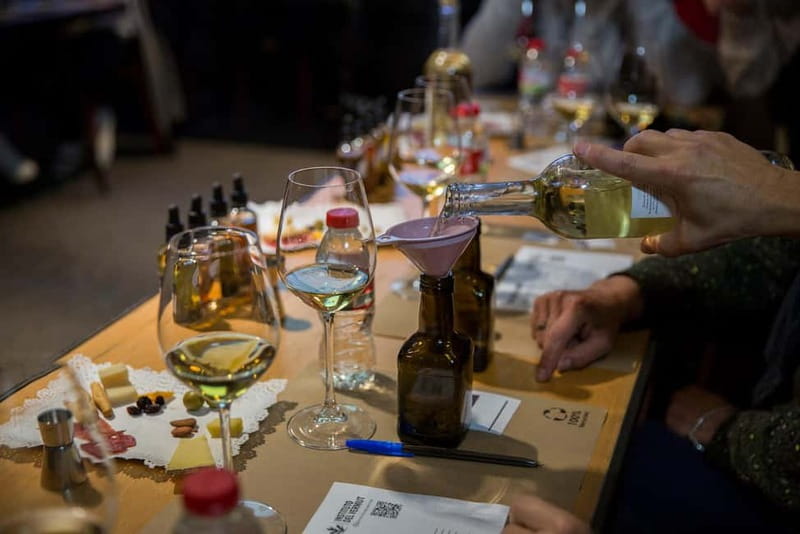
This is not a casual “taste and leave” kind of class. It is run by the Instituto del Vermut, described as the only official institution dedicated to educating, sharing, improving, and promoting vermouth culture. In practical terms, that matters because the workshop is built like a lesson, with a clear sequence: history, sensory training, then production steps.
You also get the sense that the goal is competence, not just entertainment. The workshop aims to turn you into something close to a vermouth sommelier and winemaker for a day. The teaching style is interactive, meaning you are not stuck passively listening. You are tasting, comparing, learning what to notice, then applying it when you build your own bottle.
And it is held in central Barcelona. The exact spot can change by date, but you are always in the city core, which keeps it practical if you are already touring on foot.
The 2-hour flow, starting weekends at 11:30 AM
Timing is simple: the session lasts 2 hours, and on Saturdays and Sundays it runs at 11:30 AM. That start time is great if you want something active early, then you can roll into lunch or early afternoon plans afterward.
A typical arc goes like this:
1) You begin with an introduction to vermouth, including its origin and key “secrets.”
2) You move into the blind tasting, with two premium vermouths.
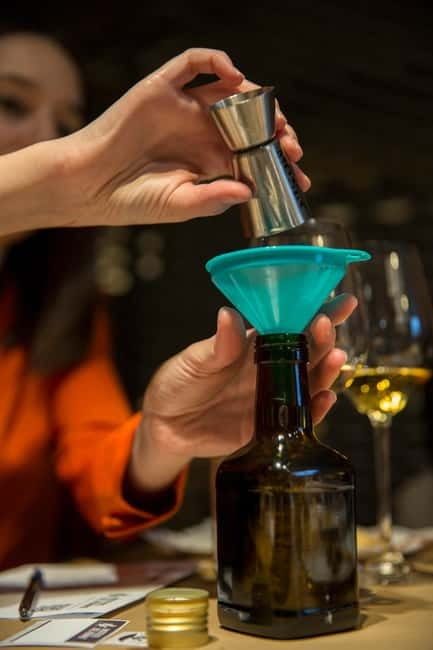
3) You then shift into production mode, making your own artisanal bottle with multiple botanicals.
4) You finish with tasting support (including pica pica) and a final quiz, with an official certificate going to the winner.
You will notice the class keeps bouncing between senses and action. That is what makes it work even if you are not a full-on vermouth nerd. You do not need prior expertise. The structure teaches you how to think like a maker and smell like a taster.
Other things to see around Barcelona
- Barcelona: Midday or Sunset Sailing with Open Bar and Snacks
★ 4.9 · 2,044 reviews - Barcelona: Unique Sunset Sailing Tour with Tapas & Open Bar
★ 4.7 · 959 reviews - Barcelona Sailing: Light Snacks & Open Bar with Private Option
★ 5.0 · 874 reviews
Blind tasting: train your nose and taste for sensory phases
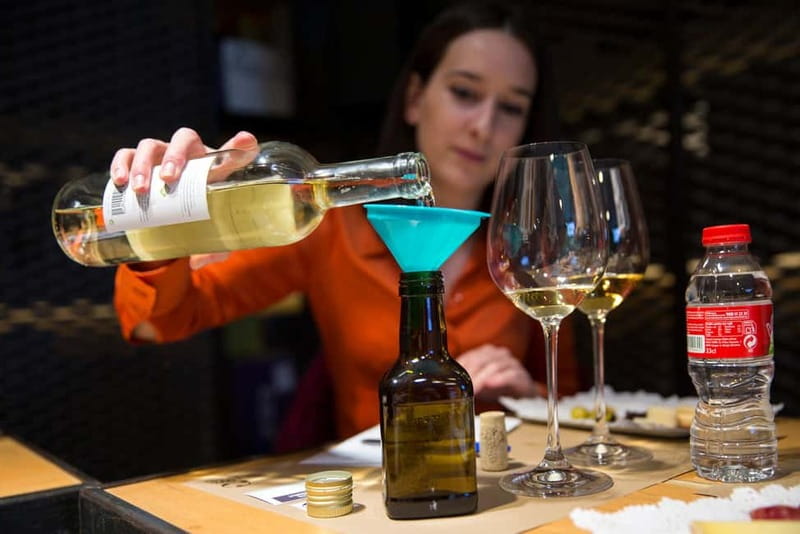
The blind tasting is the heart of the experience, and it is included: you taste 2 premium vermouths in all their sensory phases. “Sensory phases” is the key phrase. It signals that the guide is not just asking you, Which one is sweeter? Instead, you go step by step, so you learn what to pay attention to.
In your glass, you are essentially doing a quick sensory exam:
- How it looks
- How the aromas come across
- How it tastes on the palate
- How the finish feels after you swallow
Because it is blind, you are forced to rely on the drink itself, not branding or assumptions. That is also why it is genuinely educational. Even if you end up liking one bottle more, you learn why, and you learn what clues led you there.
This is also where the workshop’s “official institution” approach shows up. The tasting is treated like training, not like a free-for-all. You learn the language of the process. Afterward, ordering vermouth in a bar feels less like guesswork.
Learn vermouth history and the practical “secrets”
The workshop promises history and secrets of an ancient drink, and you can feel the emphasis on context. Vermouth is one of those categories where people say “it’s herbal” or “it’s bitter,” but those vague labels do not tell you much. Here, you get a more grounded look at where vermouth comes from and what makes it what it is.
I like that the history portion is paired with production and tasting. When you learn about origins before you smell and taste, the lesson lands better. You can connect the cultural background to the flavors in the glass.
The “secrets” are not presented like mysticism. They are presented like craft. Think botanicals, balance, and how different inputs change the final character. You walk away with a sense that vermouth is not one flavor. It is a family of styles shaped by ingredients and proportions.
Make your own bottle with multiple botanicals
This is the moment that makes the workshop worth doing. You do not just taste, you make your own bottle of artisanal vermouth. You build it with multiple botanicals, and you take the bottle home.
The size is described as perfect for traveling, which is a subtle but important practical detail. It means the workshop is designed for real-life visitors, not just locals who can store a full-size bottle. You can carry it in luggage without turning it into a logistics project.
What you likely appreciate here is the feedback loop:
- You learn what botanicals do in theory
- You taste different vermouth styles in the blind session
- Then you apply that thinking when you make your own bottle
So even if your final mix is not exactly like a professional house style, you are still practicing real understanding. You become part of the process instead of being a spectator.
Also, you get to take home the results. That is the best kind of souvenir, because you can revisit what you learned at home. One evening with a small pour can trigger your memory of the tasting sequence and the choices you made.
Pica Pica appetizer, plus the final quiz and certificate
A vermouth workshop in Barcelona should include food, and this one includes an appetizer: pica pica. It is not a full meal, and the workshop does not claim to be a food experience, but the appetizer helps round out the tasting. You get a break from focusing only on the glass, and you get a small food pairing during the session.
Then comes the final quiz. The point is simple: it reinforces what you learned and adds energy. There is an official certificate for the winner, which is a fun way to keep the group engaged at the end when attention might naturally dip.
The quiz also does something practical. It nudges you to recall the key concepts, not just the flavors you liked. If you are the type who forgets details after a trip, this format helps you remember.
One ticket rarely covers it all. Here's what else is nearby.
- Barcelona: Sagrada Familia Entry Ticket with Audio Guide★ 4.6 · 105,312 reviews
- Barcelona: Park Güell Admission Ticket★ 4.4 · 76,534 reviews
- Barcelona: Casa Batlló Entry with Self-Audioguide Tour★ 4.7 · 25,359 reviews
- Barcelona: Montjuïc Cable Car Roundtrip Ticket★ 4.5 · 22,368 reviews
- Barcelona: Hola Barcelona Public Transport Travel Card★ 4.5 · 20,985 reviews
- Barcelona: 24 or 48-Hour Hop-On Hop-Off Bus Tour★ 4.4 · 20,872 reviews
Price check: is $40 good value?
At $40 per person for a 2-hour workshop, it is not a budget “just taste something” stop. But it also is not a long, expensive multi-course production experience either. The value comes from what you actually get.
Here is what your money covers:
- Blind tasting of 2 premium vermouths across sensory phases
- A guided session on vermouth history, origin, and secrets
- Making your own artisanal vermouth bottle with multiple botanicals
- Pica pica appetizer
- A final quiz and an official certificate for the winner
When a class includes an actual take-home bottle, plus guided tastings, you are paying for ingredients, instruction, and a trained setup. That is why it often feels fair compared with tastings that include little more than a couple of sips.
If you love vermouth already, you are basically buying a structured lesson with a souvenir. If you are curious but not sure, you are still getting a fun, interactive introduction, without needing to commit to a whole night out. Either way, you are paying for an experience that is active and specific.
One more reality check: it is not an open bar. So if your main goal is to drink a lot, you may feel like the session is “light” on alcohol. If your goal is learning and tasting thoughtfully, you will likely feel satisfied.
Language and style: what to expect in Catalan and Spanish
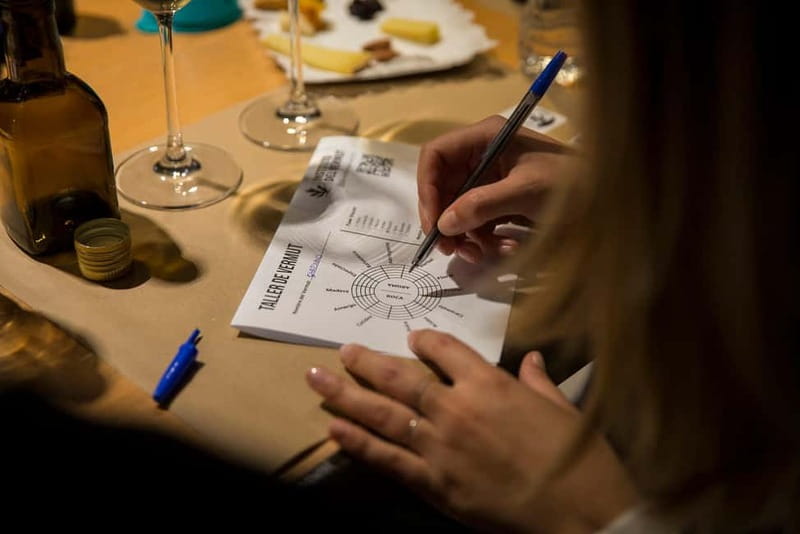
The workshop is conducted in Spanish/Catalan, and languages listed include Catalan, Spanish, English, and Italian. In practice, you should plan to hear Catalan and Spanish during the main teaching. Some content may be shown in its original language, so a basic comfort with romance languages helps.
If you do not speak them, do not panic. This is also a tasting and making workshop, so a lot of the learning is shown through actions: smelling, tasting, mixing, and discussing. Your job is to participate, ask questions, and connect the words to what you experience in the glass.
Who should book this workshop, and who should skip it
This workshop fits best if you:
- Like vermouth, or you want to know why people order it
- Want an interactive class rather than a passive tour
- Enjoy hands-on food and drink activities
- Prefer a compact 2-hour experience in the center of Barcelona
It may not be the best fit if you:
- Are traveling with kids, since it is not suitable for children under 18
- Want lots of food, because only pica pica appetizer is included
- Plan to film or record audio, since video recording and audio recording are not allowed
Practical tips that make the session smoother
You can make this easy on yourself with a few small moves:
- Bring a charged smartphone. You are asked to have one, so plan ahead.
- Do not plan to record. Video recording and audio recording are not allowed.
- Avoid smoking indoors and vaping. That is part of the rules you should respect.
- Expect the location to be central Barcelona, but the meeting point can vary depending on the option booked. You will get details during the week before, so keep an eye on your message.
Also, think about your schedule. Since it is a 2-hour tasting plus appetizer, you will likely feel ready for lunch afterward. If you schedule dinner right before, you might feel “tasted out” sooner, because you will be focusing on multiple sensory steps.
Should you book this Barcelona vermouth workshop?
If you want a fun, structured way to learn vermouth, I think this is an excellent choice. The blind tasting trains your palate, and the make-your-own bottle gives you a real takeaway, not just memories. The quiz and certificate add a playful finish that makes the whole session feel like a complete experience.
I would only hold off if you mostly want an alcohol-heavy night, or you are traveling with someone who needs lots of food included. Otherwise, for $40 and 2 hours, you get instruction, tastings, and a bottle you can actually use later. That combination is hard to beat.
FAQ
How long is the vermouth-making workshop in Barcelona?
It lasts 2 hours.
What time does it run on weekends?
Saturdays and Sundays start at 11:30 AM.
Where do we meet?
The meeting point may vary depending on the option booked. The location is always in the center of Barcelona, and you will be told the exact place during the week before.
Is this an open bar?
No. It is not an open bar. You get tasting and an appetizer, not unlimited drinks.
What is included in the ticket price?
You get a blind tasting of 2 premium vermouths, history and secrets of vermouth, making your own artisanal bottle with multiple botanicals, pica pica appetizer, and a final quiz with an official certificate for the winner.
Is food included?
No full meal is provided. Only tasting and an appetizer (pica pica) are included.
What languages is the workshop in?
It is offered in Catalan, Spanish, English, and Italian, and the experience is conducted in Spanish/Catalan.
What should I bring, and can I record?
Bring a charged smartphone. Video recording and audio recording are not allowed. Smoking indoors and vaping are not allowed.
The latest to open for booking



Drinking Tours, side by side.

Midday or Sunset Sailing with Open Bar and Snacks
Read our review →
Unique Sunset Sailing Tour with Tapas & Open Bar
Read our review →
Barcelona Sailing: Light Snacks & Open Bar with Private Option
Read our review →
Barcelona Sensational Sunset Tour with Open Bar and Snacks
Read our review →
El Born and Gothic Quarter Wine & Tapas Bar Tour
Read our review →
Barcelona Old Town Tapas Tour: Vermouth, Bites & Hidden Gems
Read our review →
Barcelona Sunset Cruise with Light Snacks and Open Bar
Read our review →
Where else this one turns up