
Reviewed · CAMP NOU TOURS
FC Barcelona History Immersive Walking Tour – Beer Included
Les Corts holds Barça’s starting point. I love that it starts at Bar Mangle on the exact Camp de les Corts site, and I love how the complimentary beer makes the stories feel personal instead of like a lecture.
In about 1.5 hours, you get a focused walk through the neighborhood that shaped Barça before the world knew the club. One consideration: it involves walking and standing throughout, so bring comfortable shoes and plan for a few on-your-feet moments.
In This Review
- Key highlights you will care about
- Bar Mangle and the Camp de les Corts site that started it all
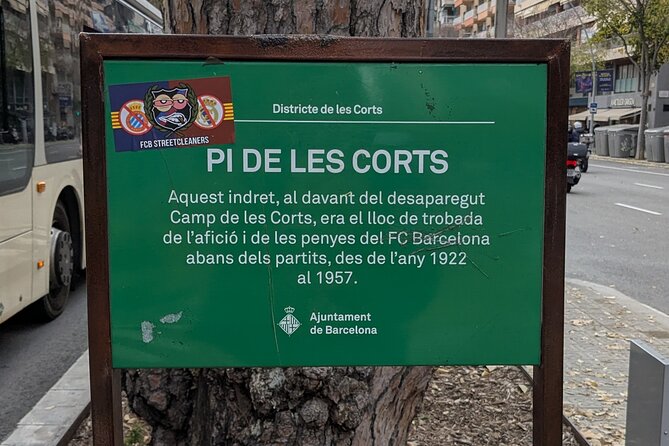
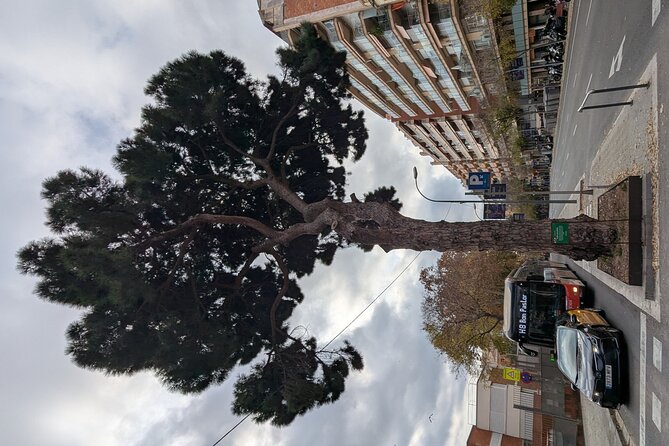
- Pi de les Corts: the pine tree where fans met for decades
- Can Fusté, Quini, and why a restaurant can turn into a turning point
- La Masia (built 1702) and what it means for modern Barça
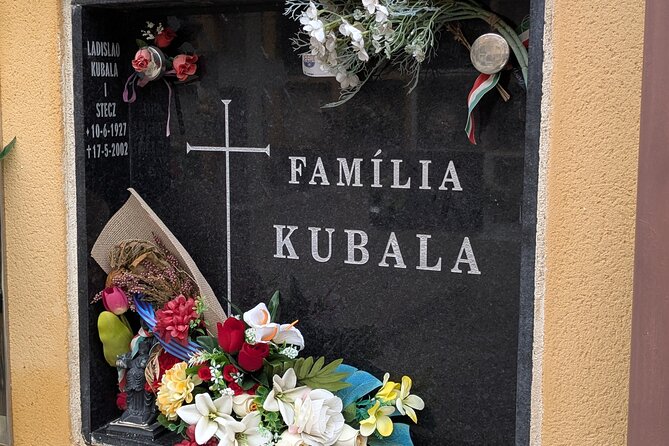
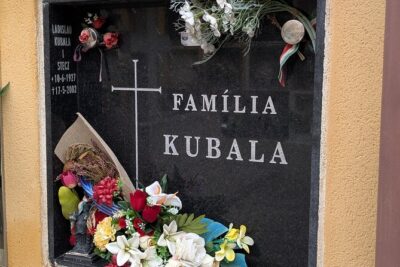
- Les Corts Cemetery and Ladislao Kubala’s long shadow
- Spotify Camp Nou under renovation and the Espai Barça project
- Time, pace, and what the 90-minute format does well
- Price and value: is $41 a fair deal for this walking story?
- Who should book this Les Corts tour
- The practical stuff I’d plan around
- Should you book? My decision guide
- FAQ
- How long is the FC Barcelona History Immersive Walking Tour
- What is the meeting point
- Is beer included
- What locations does the tour visit
- Is the tour guided and in which languages
- Is the tour wheelchair accessible
- Does the tour include ticket line skipping
- Is the tour suitable for all ages
Key highlights you will care about
- Camp de les Corts at Bar Mangle: the original stadium location, active from 1922 to 1957
- Pi de les Corts pine meeting point: the pre-match landmark where fans gathered for decades
- Can Fusté and the Quini kidnapping twist: a classic players’ restaurant tied to a shocking 1981 story
- La Masia farmhouse (built 1702): youth academy home from 1979 to 2011
- Les Corts Cemetery and Ladislao Kubala: a resting place tied to the move toward Camp Nou
- Outside Camp Nou (Spotify Camp Nou): a quick look forward with the Espai Barça project
Bar Mangle and the Camp de les Corts site that started it all
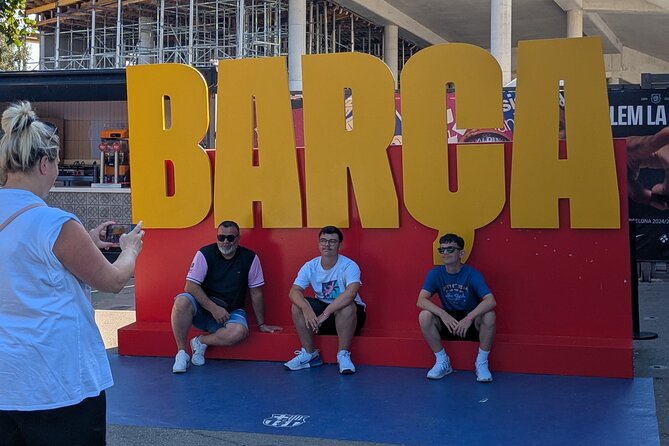
Your tour begins at the entrance to Bar Mangle, and right away you get the kind of detail that makes football history click. This is on the site of the old Camp de les Corts stadium, used from 1922 to 1957, when local fans were the beating heart of Barça.
You will start with a photo stop and a guided intro, then the tour gives you a complimentary beer. That small touch matters. It lowers the formality and helps you actually listen, because the guide’s stories about Spanish and Catalan football evolution land better when you feel like part of the neighborhood.
If you are the type who thinks football is more than results, this stop gives you the right frame. You are not just learning names, you are seeing how the club grew where people lived and met.
Pi de les Corts: the pine tree where fans met for decades
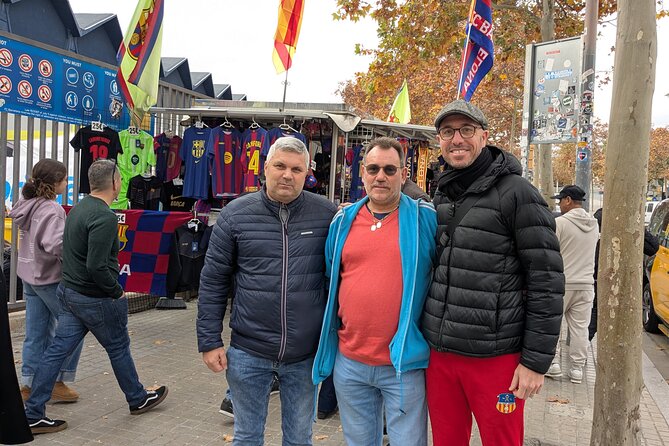
After Bar Mangle, you head toward the Pi de les Corts, a century-old pine tree that served as a classic meeting point for fans before matches. For a long stretch of Barça’s early era, from 1922 to 1957, people used it like a local shorthand: meet me at the pine.
This is one of those stops that feels simple until you hear the context. The pine is not a museum object. It is a real landmark that tells you how communities organized matchdays, when showing up early was how you controlled your nerves and your plans.
You will get a quick photo stop and pass by the area on foot, with the guide explaining why this spot became so meaningful. Even if you have visited other Barça sites, this one tends to give you a different kind of perspective, more street-level and human.
Stand where the club plays
- Barcelona: FC Barcelona Museum “Barça Immersive Tour” Ticket
★ 4.4 · 10,944 reviews - Camp Nou Immersive Tour F.C.Barcelona Museum: Open Date Ticket
★ 4.0 · 1,307 reviews - Spotify Camp Nou Private Tour with Hotel Pick-up
★ 4.5 · 83 reviews
Can Fusté, Quini, and why a restaurant can turn into a turning point

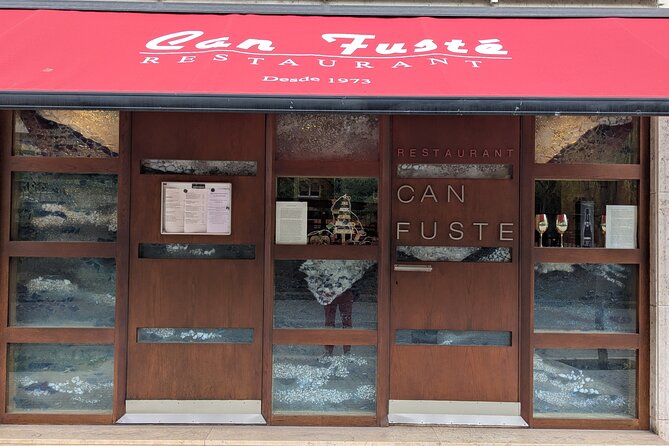
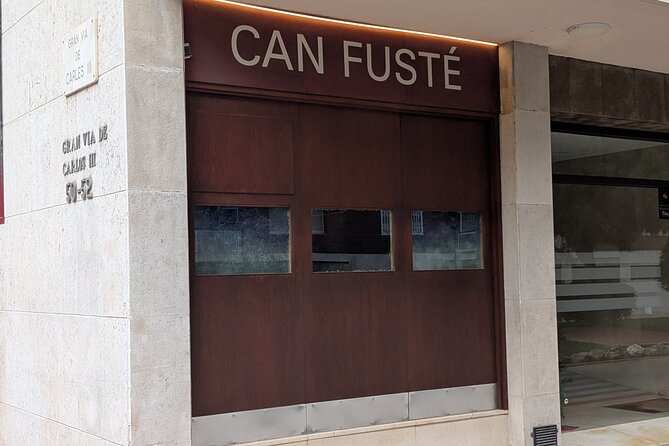
Next comes Can Fusté, the neighborhood restaurant where Barça players have gathered for decades. It has that old-school feel you want in places tied to football, not flashy stadium theming, just a spot locals know and keep using.
Then the tour hits a story that is heavier than you might expect from a casual meal location. In 1981, Can Fusté became an improvised police headquarters during the 25-day kidnapping of star striker Quini, one of the most shocking episodes in Spanish football history.
This stop works because it shows how football stays connected to the wider world. A club’s legend is not only built on goals and trophies. It is also shaped by real-life crises, media attention, and how society reacts when someone important is taken.
You will also get a photo stop and guided walk-by time here, so you can absorb it without feeling rushed. It is also a good mental reset after the pine tree, because you go from matchday ritual to the far-reaching consequences of a single event.
La Masia (built 1702) and what it means for modern Barça
Then you walk to La Masia, the original farmhouse building, built in 1702. This is where Barça’s legendary youth academy lived from 1979 to 2011, shaping generations of players in a system famous for developing talent rather than importing it.
The tour points out what makes this place feel special: the connection to players you already know. You hear how legends such as Messi, Xavi, and Iniesta trained and lived here, along with countless others who became part of the club’s identity.
One practical note: you are visiting a historic building, not a sleek attraction experience. Expect photo opportunities and a guided look that focuses on meaning. Why did this place matter? Because it explains how Barça built a pipeline, not just a team.
If you are planning a Barça trip that also includes official museums or stadium visits, this stop adds something those places can miss. It gives you the “why” behind the style of play, because it ties the club’s philosophy to a physical home.
Les Corts Cemetery and Ladislao Kubala’s long shadow
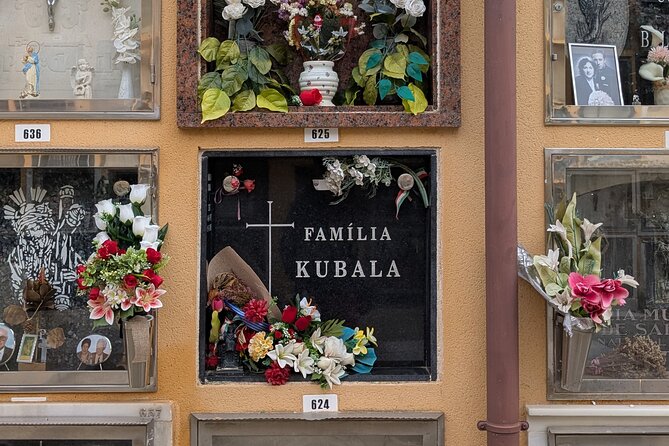
From La Masia you move to Les Corts Cemetery, where you pause and learn about legends laid to rest there. One key name is Ladislao Kubala, whose arrival in 1950 changed the club forever and helped set the direction for the construction of Camp Nou.
This stop is short, but it is powerful. Cemetery visits can feel solemn, and they should. The value here is that the guide connects Kubala’s impact to a bigger physical change, the club outgrowing its older stadium setup and moving toward what became a future icon.
It also helps you understand that Barça did not jump to greatness overnight. People built it step by step, including by bringing in talent that transformed the club’s identity and ambitions.
You will pass by and get guided context, so this is not meant to be a long reflective detour. It is a quick stop that makes the rest of the walk land with more weight.
Spotify Camp Nou under renovation and the Espai Barça project
The final stretch brings you to the Camp Nou area, now known as Spotify Camp Nou. You will stop for photos and get a guided walk that stays focused on the present and near future.
Camp Nou is currently under renovation, and this tour connects that fact to where Barça is heading with the Espai Barça project. The guide’s goal is to show continuity, the way old stories feed into new plans, even when the stadium itself is changing.
There is also a bit of free time near the end, plus some time to look around the area. This is useful if you want a quick stroll for photos or to pick up something nearby before you head back.
If you are a first-time Barça visitor, this ending helps you tie together everything you just learned. Camp Nou is the headline, but Les Corts is the origin story. Seeing both sides in one compact walk makes the whole trip feel more coherent.
Other things to see around Barcelona
- Barcelona: Midday or Sunset Sailing with Open Bar and Snacks★ 4.9 · 2,044 reviews
- Barcelona: Unique Sunset Sailing Tour with Tapas & Open Bar★ 4.7 · 959 reviews
- Barcelona Sailing: Light Snacks & Open Bar with Private Option★ 5.0 · 874 reviews
- Barcelona Sensational Sunset Tour with Open Bar and Snacks★ 5.0 · 681 reviews
- Barcelona: El Born and Gothic Quarter Wine & Tapas Bar Tour★ 4.8 · 674 reviews
- Barcelona Old Town Tapas Tour: Vermouth, Bites & Hidden Gems★ 5.0 · 627 reviews
Time, pace, and what the 90-minute format does well
This is a 90-minute walking tour through Les Corts, with a local expert guide and stops at six iconic FC Barcelona locations. The format is designed to keep you moving, with photo stops and short guided segments at each point rather than long waits.
The pace is ideal if you do not want to spend half a day in lines or splitting your day between multiple neighborhoods. You also get a concentrated story arc: early stadium roots, matchday meeting points, a players’ restaurant and a major 1981 crisis, La Masia’s youth academy legacy, and finally the path toward Camp Nou and what comes next.
You should still plan for walking and standing. Bring comfortable shoes. The tour is suitable for all ages, but “suitable” still means you will be on your feet for stretches.
Price and value: is $41 a fair deal for this walking story?
At $41 per person, this tour is not the cheapest way to see Barça names. But it is good value because it bundles four things that cost money and time if you do them separately.
First, you get a local expert guide who ties locations to stories, not just locations by themselves. Second, you get a complimentary beer at Bar Mangle, which is a real add-on value. Third, you visit places tied to Barça’s origins that many people miss when they only chase the official museum experience. Fourth, the tour gives you a compact way to connect Les Corts to Camp Nou, including the Espai Barça project context.
If you care about football culture, not just famous buildings, this is the kind of tour where the $41 feels more like part of your Barça day than a separate expense. The best value is for fans who want to understand the club’s formation, especially the Catalan and Spanish football evolution that the guide discusses early on.
Who should book this Les Corts tour
I think this fits best if you are traveling with football history on your mind, but you still want a practical plan. You will probably enjoy it more if you like neighborhood scale experiences, because Les Corts is about real places where people met, trained, ate, and reacted to events.
You should especially consider booking if:
- You want a Barça story that goes beyond the official museum setting
- You like learning origins, like where the club played before it became a global brand
- You enjoy guided narrative more than just photo stops
It might be less ideal if you need a fully seated experience or if you are only interested in stadium interiors, since this tour ends outside Camp Nou and focuses on walking segments.
The practical stuff I’d plan around
The tour is led in English, Spanish, or Hebrew, and it is wheelchair accessible. If you have mobility questions, it helps to wear shoes that can handle walking through a city neighborhood without slipping.
Also, you will start at Bar Mangle and finish at the Camp Nou area, so it is an easy end point for a wider Barça day. If your schedule is tight, this 1.5-hour window is a good way to add context without derailing your other plans.
One name that comes up in the best feedback is guide Gabriel. If you happen to get him, take that as a hint to ask questions, because the tour style depends on you engaging with the stories.
Should you book? My decision guide
I would book this tour if your goal is to understand Barça’s formation, not just tick off stadium landmarks. The combination of Camp de les Corts, the Pi de les Corts pine meeting point tradition, La Masia’s youth academy legacy, and the Quini story at Can Fusté is a strong set of “only-in-this-neighborhood” details.
You might skip it if your time is better spent on a longer, more stadium-focused experience, especially if you are already getting a lot of structured museum time elsewhere. But if you want the human, street-level side of the Barça story, this is one of the cleanest ways to get it in about 90 minutes.
FAQ
How long is the FC Barcelona History Immersive Walking Tour
The tour lasts 1.5 hours.
What is the meeting point
Meet at the entrance to Mangle Bar.
Is beer included
Yes. There is complimentary beer at Bar Mangle.
What locations does the tour visit
You visit Bar Mangle (Camp de les Corts site), the Pi de les Corts pine tree, Can Fusté, La Masia, Les Corts Cemetery, and the Camp Nou area at Spotify Camp Nou.
Is the tour guided and in which languages
Yes, it is a live guided tour. Languages listed are English, Spanish, and Hebrew.
Is the tour wheelchair accessible
Yes, the tour is wheelchair accessible.
Does the tour include ticket line skipping
Yes, it includes skip the ticket line.
Is the tour suitable for all ages
Yes, it is suitable for all ages.
More Food & Drink in Barcelona



More Historical Tours in Barcelona


The latest to open for booking

Camp Nou Tours, side by side.

FC Barcelona Museum “Barça Immersive Tour” Ticket
Read our review →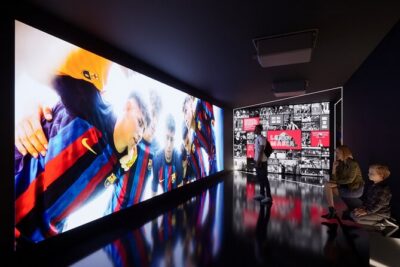
Camp Nou Immersive Tour F.C.Barcelona Museum: Open Date Ticket
Read our review →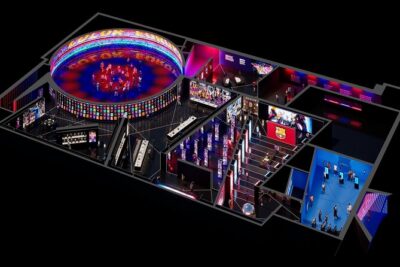
Spotify Camp Nou Private Tour with Hotel Pick-up
Read our review →
FC Barcelona History Immersive Walking Tour – Beer Included
Read our review →

Barcelona City Hop On Hop Off and FC Barcelona Immersive Tour
Read our review →
Where else this one turns up