
Reviewed · CATALAN FOOD TOURS
Food and Wine Small Group Tour from Barcelona – Maximum 8 people
Food tastes better when you’re outside the city. This Catalan day trip pairs Montserrat views with farm-to-table stops and real wineries.
I love how the day is built around food you can point to: cheese, cured meats, olive oil, fruit, then a winery tour underground. I also like that the pacing feels guided, not rushed, with time to look around and take photos at Montserrat.
One possible drawback: it is a full 10-hour day. If you get cranky when lunch turns out to be less-than-perfect for your personal taste, plan to keep expectations flexible, and bring a snack mindset just in case.
In This Review
- Key highlights at a glance
- Leaving Barcelona for Catalonia’s “eat like locals” route
- Pickup, minivan comfort, and the Montserrat approach
- Cheese, cured meats, fruit, and olive oil tastings that set the tone
- Santa Cecília monastery, Romanesque beauty, and food culture context
- Olive groves and the olive mill, where pressing becomes real
- The 16th-century farmhouse lunch, and the Sunday upgrade choice
- Penedés cava country: subterranean cellars and a four-tasting finale
- Guide energy is a big deal, and names you might recognize
- Price and what makes it good value for a 10-hour day
- Packing, stamina, and how to make the day comfortable
- Who this tour is best for, and who might skip it
- Should you book this Food and Wine day trip from Barcelona?
- FAQ
- What is the duration of the tour?
- What time does the tour start?
- How many people are in the group?
- Where does the tour start and end?
- Is hotel pickup included?
- Is the tour offered in English?
- What is the minimum age for wine tasting?
- What food and drink are included?
- Are the tastings always the same?
- Can I cancel for a full refund?
- Is a Sunday version available?
Key highlights at a glance
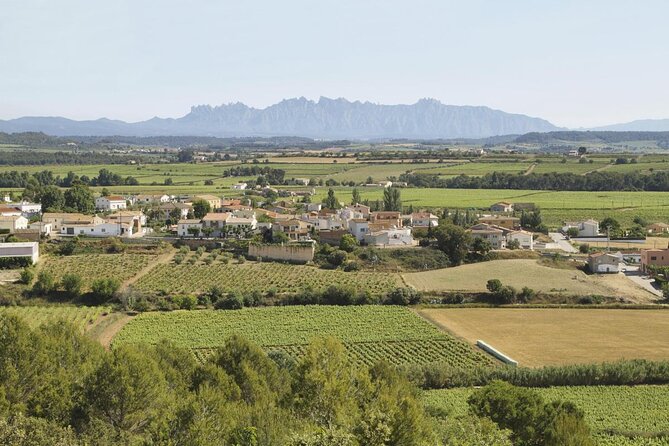
- Montserrat panoramas that make the long drive feel worth it
- Cheese, cured meats, olive oil, plus fruit like peaches, honey, and almonds
- Santa Cecília monastery stop for Romanesque architecture and context on Catalan food traditions
- Olive mill visit with medieval water tanks and an olive oil pressing tour
- Penedés winery tour in subterranean cellars, followed by four cava and wine tastings
- Small group feel (marketed as max 8, capped by the operator at 16) with an English-speaking guide
Leaving Barcelona for Catalonia’s “eat like locals” route
This tour works because it takes you out of the tourist loop and into the rhythms of Catalonia. You start in central Barcelona, then trade city streets for countryside roads pretty quickly. The whole day is about one theme: how regional produce turns into wine, oil, and food you remember long after the tasting notes fade.
The small-group size matters here. With a group kept tight, you can ask questions and actually hear the guide, instead of nodding at a bus full of people. The tour runs in English and is designed for moderate walking and time spent on your feet at viewpoints and historic sites.
Pickup, minivan comfort, and the Montserrat approach
You meet at C/ Palau de la Música, 1 in Ciutat Vella at 9:00 am. After that, you ride in an air-conditioned minivan. On a warm day, AC is not a luxury, it’s survival.
Then comes the best part of the drive: the approach toward Montserrat. You get those classic, dramatic views as you travel into the heart of the Catalan countryside. You will also notice that the scenery changes as the day goes on, especially after you head toward the south face of Montserrat. That climate shift matters, because it helps explain why certain crops and flavors show up where they do.
Eat like the neighborhood does
- Montserrat Half-Day Tour with Tapas and Gourmet Wines
★ 5.0 · 7,359 reviews - Montserrat & Cogwheel Train, Gourmet Wine Tasting & Tapas/Lunch
★ 5.0 · 6,290 reviews - Barcelona: Paella Cooking Experience & Boqueria Market Tour
★ 4.8 · 3,661 reviews
Cheese, cured meats, fruit, and olive oil tastings that set the tone
The first “taste and look” moments happen around a restored medieval farmhouse in a village known for cheese-making. You step out, take in the views, and then start sampling. Expect homemade cheese, home-cured meats, locally grown fruit, and the kind of olive oil you want to drizzle on bread just to see what it really tastes like.
A strong pattern shows up throughout the day: small samples at each stop, then a bigger moment later. That keeps your energy up and prevents the day from feeling like one long tasting marathon. Also, products you try can change with the season, so the exact items may shift. That’s normal for this type of regional tour, and it’s part of why it feels authentic.
Santa Cecília monastery, Romanesque beauty, and food culture context
After the farmhouse cheese stop, you move to the former Benedictine monastery of Santa Cecília. This is not a “quick photo then goodbye” kind of stop. You get to admire the Romanesque architecture and listen to how it connects to regional culinary traditions.
Even if you’re not a church-architecture superfan, monasteries make sense for a food tour. Historically, religious houses were major centers for agriculture, storage, and food knowledge. Seeing the stonework up close makes the culture feel less abstract, and it gives your guide a chance to explain how Catalonia’s ingredients and traditions evolved over time.
Olive groves and the olive mill, where pressing becomes real
Next you head toward the south face of Montserrat. The air feels different, the terrain looks different, and you pass through groves of olive trees. This is a smart move in the itinerary. You get visuals that match the flavors you’ll taste next.
Then comes the olive mill tour. You learn about olive oil pressing, and you also get to see the medieval water tanks tied to how the place worked. That’s one of those details you don’t usually get on casual food tours. It turns olive oil from a supermarket item into something with process and place behind it.
If you like souvenirs you’ll actually use at home, this is where you’ll start thinking about bottles. The oil tasting here is the kind that makes you notice differences right away.
The 16th-century farmhouse lunch, and the Sunday upgrade choice
Your lunch happens at a 16th-century farmhouse restaurant. This is one of the anchors of the day because it’s traditional Catalan cooking using locally grown produce. It is not a buffet stop. It’s a sit-down meal that gives you a break from tastings and lets the day settle into a slower rhythm.
Now for a practical choice: there is an upgrade on the Sunday tour to enjoy local Catalan dishes. If you care a lot about regional menu variety, Sunday can be the smarter pick. If you want the classic structure and you’re already committed, don’t overthink it. The lunch is still a central part of the experience either way.
One thing to keep in mind: lunch is exactly where the day can swing for people with strong opinions about restaurants. In a few cases, guests felt the lunch did not match expectations. I’d read that as a reminder to go in hungry but with flexible expectations, because this is a set restaurant stop. If you’re picky about specific flavors, you might want to eat light before the tour so you can enjoy what you get.
Bubbles from just outside the city
- Barcelona Tapas and Wine Experience Small-Group Walking Tour★ 5.0 · 5,804 reviews
- Barcelona: Montserrat, Cogwheel, Black Madonna & Winery Tour★ 4.8 · 5,633 reviews
- Montserrat with Black Madonna & Medieval Winery with Tapas/Lunch★ 5.0 · 5,209 reviews
- Barcelona: Tapas Walking Tour with Food, Wine, and History★ 4.8 · 4,261 reviews
- Barcelona: Food Walking Tour with Tapas and Wine★ 4.9 · 2,180 reviews
- Barcelona Tapas Walking Tour: Food, Wine & History★ 4.5 · 1,928 reviews
Penedés cava country: subterranean cellars and a four-tasting finale
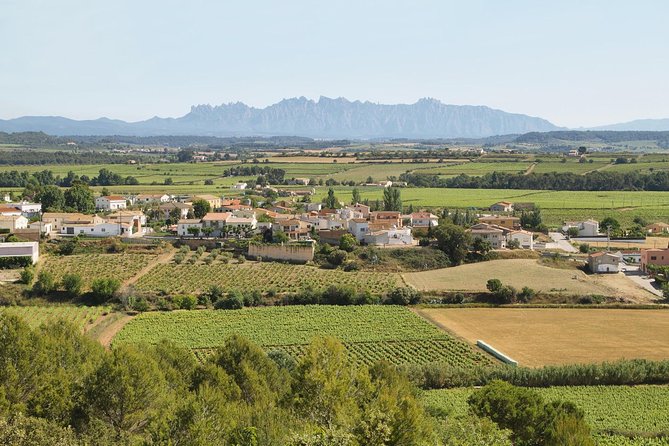
After lunch, you head into the Penedés, a winemaking region known for cava. This is where the tour turns from food-forward to wine-forward.
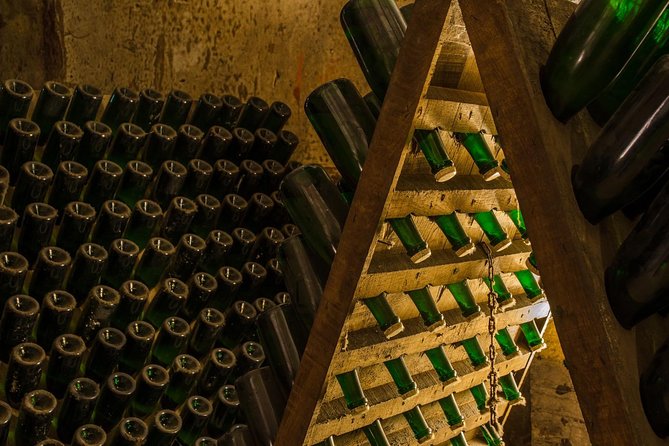
The winery tour takes you into subterranean cellars and into a barreling room. Going underground is useful for two reasons. First, it shows you where fermentation and aging really happen. Second, it’s usually cooler, which helps on a hot afternoon.
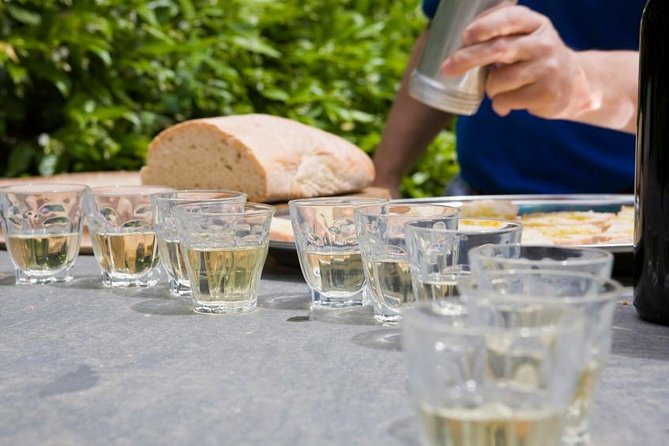
Then you get your tasting session. The highlights promise four tastings, and the included list describes “3/4 wine tastings,” so expect multiple pours that can include cava and wine. This is not the kind of tasting where you just swallow and move on. The guide explains what you’re tasting and how it connects to production.
If you want a souvenir that turns into an evening at home, this is the moment. Many people end the day wanting bottles, and some wineries also set you up for shipping when available.
Guide energy is a big deal, and names you might recognize
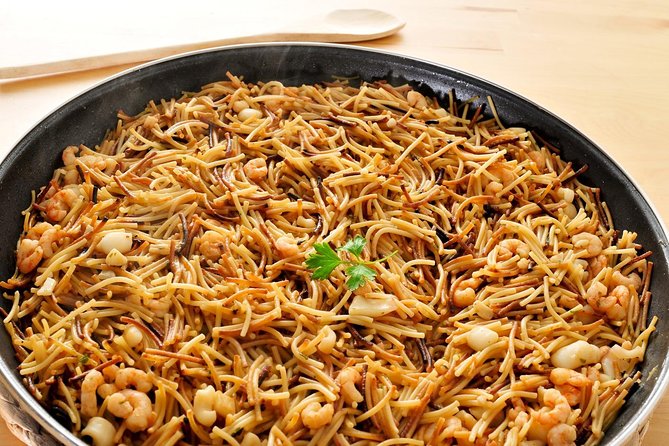
This is one of those tours where the guide changes the feel. The best versions I’ve seen described are guides who connect the dots between food, the land, and the buildings you’re seeing.
Specific names that show up with high praise include Jordy and Josep for making the day feel fun and story-driven, plus Azzi, Felicimo, Anna, and Feliciano for friendly, informative pacing. If you’re booking with the hope of a guide who talks you through the why, those names are a good sign.
Also watch for guides who actively manage the day. They help the group hit the right timing for viewpoints and keep you from feeling like you’re just stuck in a seat until the next meal.
Price and what makes it good value for a 10-hour day
At $240.66 per person, this is not a bargain-bin excursion. But it also isn’t just a bus ride. You’re paying for transport in an air-conditioned vehicle, a guided day outside the city, multiple tasting stops (cheese, cured meats, olive oil, plus winery tastings), and a traditional Catalan lunch at a farmhouse restaurant.
What makes it good value is the mix. Wine tastings alone can cost a lot in Barcelona. Add the olive mill visit and the structured food tastings, and you get a fuller day than a simple “drink and go” tour.
If you are traveling as a couple or small group and you’d otherwise rent a car, this can also feel like the cheaper route once you factor in parking stress and the cost of separate admissions.
Packing, stamina, and how to make the day comfortable
The tour calls for moderate physical fitness. That doesn’t mean you need to train for a marathon. It does mean you should expect walking on uneven ground at viewpoints, inside historic sites, and around farm stops.
Bring:
- Comfortable shoes you can wear for a few hours of steady walking
- Sunglasses and sun protection, especially on the Montserrat-facing portions
- A water habit (you’re out for about 10 hours)
Also, since the tour includes wine tasting, remember the minimum age is 18 for tastings.
Who this tour is best for, and who might skip it
Book this if:
- You want Catalan food and wine in one day, without planning every stop yourself
- You care about how ingredients are made, from olive oil to cava
- You like small-group tours where the guide can actually talk to you
You might consider skipping if:
- You dislike long days (this is roughly 10 hours)
- You’re extremely sensitive about restaurant quality and want full control over lunch
- You prefer fully self-paced experiences, because this is a timed itinerary with guided stops
It’s also a good fit if you’re doing a first-time Barcelona trip and want a real break from the city. This day trip gives you a different angle on Catalonia than Barcelona alone.
Should you book this Food and Wine day trip from Barcelona?
I think this is a strong choice if your priority is real regional tasting, not just a sightseeing checklist. The Montserrat viewpoints, the cheese and olive oil stops, the monastery architecture, and the cava finale are a logical flow that keeps the day feeling like one cohesive story.
I’d book it if you love food tours that teach you what you’re eating, and you’re happy to spend a full day out of town. If you’re worried about lunch quality or vehicle comfort, read the room before you go: this is still a guided day with set stops, and your comfort will depend on what kind of day the operator runs that day.
If you want a memorable “Catalonia in one day” experience that feels personal, this one fits the bill.
FAQ
What is the duration of the tour?
The tour runs for about 10 hours.
What time does the tour start?
The start time is 9:00 am.
How many people are in the group?
It’s described as a small-group tour, marketed with a maximum of 8 people, and the operator lists a maximum of 16 travelers.
Where does the tour start and end?
You start at C/ Palau de la Música, 1, Ciutat Vella, Barcelona. You end at Plaça de Catalunya, L’Eixample, or sometimes near Arc de Triomf, depending on traffic and tour size.
Is hotel pickup included?
No. Hotel pickup and drop-off are not included.
Is the tour offered in English?
Yes, the tour operates only in English.
What is the minimum age for wine tasting?
The minimum age for wine tasting is 18 years old.
What food and drink are included?
You’re included for transport, cheese, cured meat and olive oil tastings, a traditional Catalan lunch, and a winery tour with several wine and cava tastings. Exact products can change by season.
Are the tastings always the same?
Not always. The products you taste can change depending on the season.
Can I cancel for a full refund?
Yes, you can cancel up to 24 hours in advance for a full refund.
Is a Sunday version available?
A Sunday tour includes an upgrade to enjoy local Catalan dishes.
More Food & Drink in Barcelona
More Food in Barcelona
The latest to open for booking
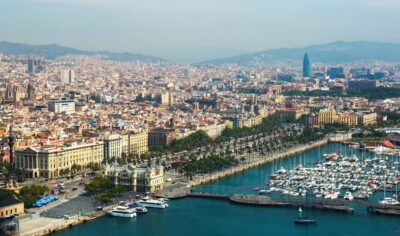
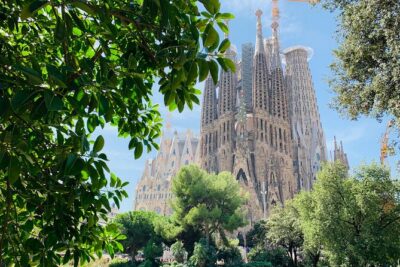
Catalan Food Tours, side by side.

Montserrat Half-Day Tour with Tapas and Gourmet Wines
Read our review →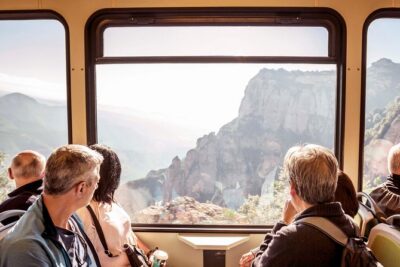
Montserrat & Cogwheel Train, Gourmet Wine Tasting & Tapas/Lunch
Read our review →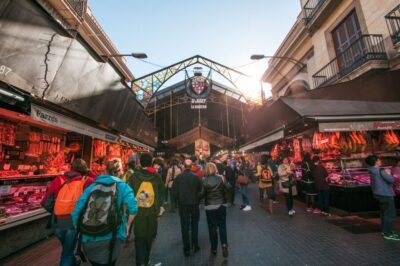
Paella Cooking Experience & Boqueria Market Tour
Read our review →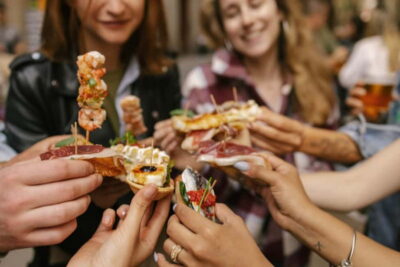
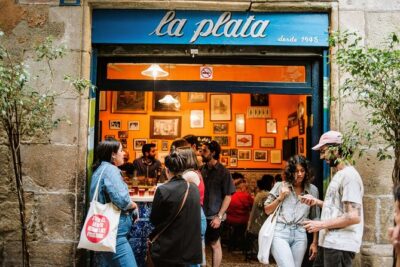
Barcelona Gothic Quarter Tapas & Taverns Food & Wine Tour
Read our review →
Barcelona Food Tour: Tapas, Paella, Sangria & 8+ Local Tastings
Read our review →
Guided Food Walking Tour with Tapas and Wine
Read our review →
El Born Food Walking Tour with Tapas and Drinks
Read our review →Where else this one turns up