
Reviewed · WINE & CAVA TOURS
From Barcelona: Priorat’s Exclusive Cellars, Wines & Nature
Slate hills and cellar doors, all in one day. This private-feeling Priorat outing is built around boutique winery access and a 3-course lunch paired with wine, so you get more than sip-and-go. I also like that the region’s famous terroir story is part of what you taste, not just something you read later, with steep hills and river-canyon views along the way. One consideration: it is a full 11-hour day with serious drive time, so bring comfy shoes and plan to enjoy the ride.
What makes it especially appealing is the pacing. You’re not rushed through three stops. You spend time where it matters, in each cellar, with tastings and a guide who helps you understand what you are tasting and why Priorat reds feel so consistent. If you get guides like Filippo or Jose Luis, the day tends to run with clear, friendly explanations, and Valeria’s vineyard talk is a highlight when she is in the mix. Still, this is a wine-and-food day, so if you want a long sightseeing checklist, you may wish you had a more sightseeing-heavy option.
In This Review
- Key things I’d bank on before you go
- Priorat from Barcelona, why this wine day works
- The van ride out of Barcelona sets your expectations
- First cellar tasting, what “exclusive access” means in real life
- Second tasting stop, using short time to sharpen your palate
- Lunch with wine pairing, where the region story turns into food
- Third cellar tasting, building a final “Priorat mental map”
- The Priorat terroir story you’ll actually remember
- Guide and group size, why it feels personal without being precious
- Price and value: is $877 per group really fair?
- Who this Priorat tour suits best
- What to bring and how to get the most out of the day
- Should you book this Priorat wine and nature day?
- FAQ
- How long is the Priorat tour from Barcelona?
- How many wineries do you visit?
- Is lunch included, and is it paired with wine?
- What group size should I expect?
- What languages are the guides available in?
- Do I get hotel pickup and drop-off in Barcelona?
- What should I bring for the day?
- Is free cancellation available?
- Can I reserve now and pay later?
Key things I’d bank on before you go
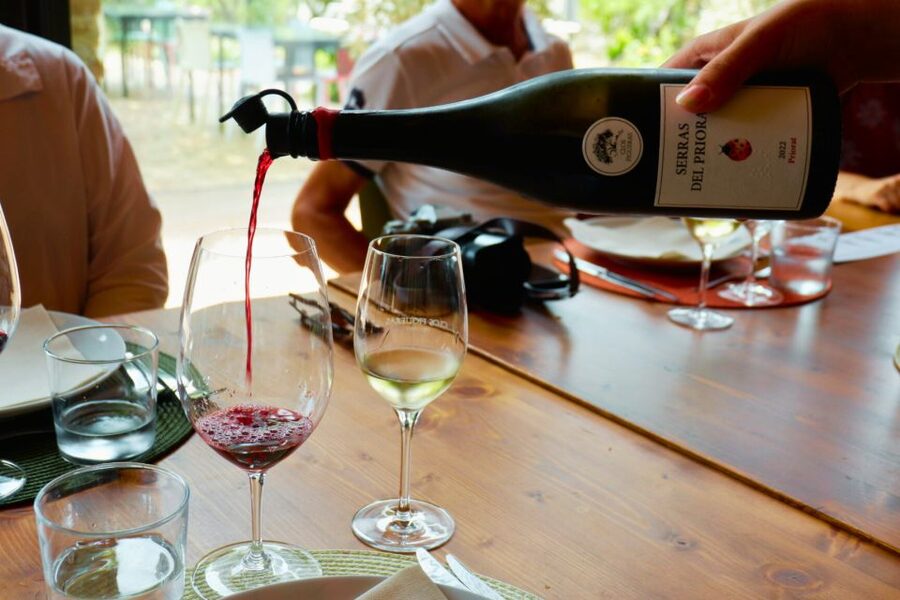
- 3 boutique wineries, each with generous tastings and intimate access
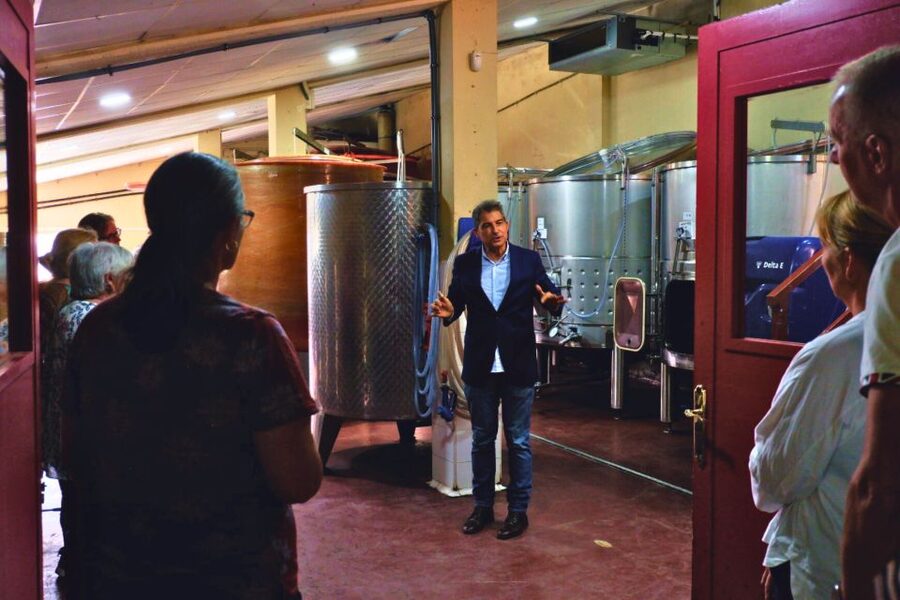
- Winemaker-hosted visits, where the story behind the glass feels hands-on
- Black slate-driven character in Priorat reds, explained through what you taste
- 3-course lunch paired with wine, focused on local produce rather than standard tourist plates
- Small-group size up to 8, which keeps questions and conversations realistic
- Comfort-first planning, since you’ll be in a van a lot, then walking on uneven ground
Priorat from Barcelona, why this wine day works
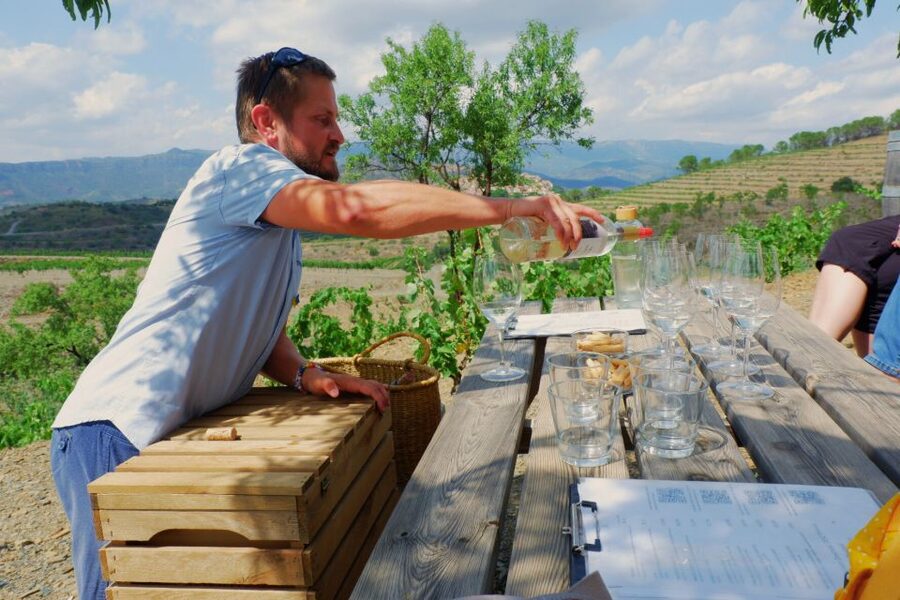
Priorat sits in Catalonia like a wine region with its own personality. It is known for deep, full-bodied red wines, and the feeling starts long before your first sip. As you head out of Barcelona, the ride shifts from city speed to countryside pace, and the scenery starts doing the heavy lifting. You see steep hills and river canyons, with the kind of dramatic terrain that makes you understand why vines were planted where they were.
The real payoff is that this experience is structured like a proper wine day, not a quick checklist. You get time with the people making the wine, in small, exclusive cellars, and the tastings are paired with a culinary stop that uses local produce. That combination matters. Wine can be confusing if you only taste. Wine becomes easier to remember when you also eat and when you hear the same themes repeated across multiple wineries.
For me, the best kind of wine tour is the one where you leave with a clearer mental map: what you liked, what you tasted, and why it differs from a bottle you might buy anywhere. This day is set up to do that with repeated tasting moments and a guide who keeps the focus practical.
The van ride out of Barcelona sets your expectations
Plan on about 2 hours by van before you settle into Priorat. That drive is not filler. It is part of the education. As the countryside changes, your brain starts to connect soil, slope, and weather with the kinds of wines you will taste later.
This tour is also paced with short transitions between tastings. You’ll have a brief van segment after the first cellar, then another short ride before the next one, and a final return to Barcelona after the last tasting. Those smaller transfers keep you from feeling like the day is just one long commute. Still, the total duration is 11 hours, so keep your expectations realistic. This is not a light morning stroll kind of outing.
I like the fact that the transportation is described as a modern, comfortable vehicle. When you have a long drive and wine tastings later, comfort is not a luxury. It keeps your energy for the tastings, and it reduces the chance that the day feels like work.
Bubbles from just outside the city
- Montserrat Half-Day Tour with Tapas and Gourmet Wines
★ 5.0 · 7,359 reviews - Montserrat & Cogwheel Train, Gourmet Wine Tasting & Tapas/Lunch
★ 5.0 · 6,290 reviews - Barcelona Tapas and Wine Experience Small-Group Walking Tour
★ 5.0 · 5,804 reviews
First cellar tasting, what “exclusive access” means in real life
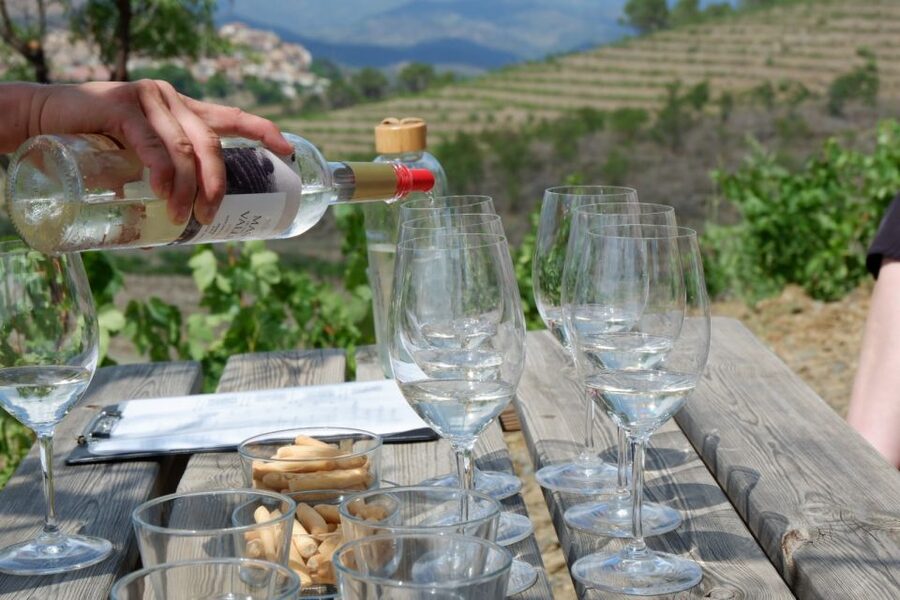
Your first winery stop is built as a full tasting block, about 2 hours in Priorat. This is where the tour earns its value. A lot of wine tours do quick pours and a single generic explanation. Here, you are in a cellar long enough to notice patterns in how different bottles behave and how the winemakers describe their approach.
In Priorat, the big idea is terroir. The vines are described as some of the oldest in Spain, and the region benefits from limited rain plus high filtration and mineral-rich soil. That matters because people do not usually taste rain patterns directly, but they do taste the result: a distinct, consistent character that shows up across bottles from the region.
Another key detail you’ll hear tied to the wines is the black slate-laden soil. Priorat’s terrain is steep, and the soil is part of the reason the region’s reds are described as full-bodied. You do not need to become a soil scientist on day one, but it helps to know what your guide is pointing to when you taste. Slate tends to get mentioned because it supports that kind of structured, concentrated style people associate with Priorat.
Practical tip: at your first stop, slow down. Take a moment to identify what you like most, even if you do not know the vocabulary yet. Is it the depth? The balance? The way the wine lingers after swallowing? Your later tastings will make those early notes click.
Second tasting stop, using short time to sharpen your palate
After the first winery, there is a shorter van transfer, then another tasting session of about 1 hour. This is a good format. The second stop is long enough to compare, but short enough that you do not get stuck repeating the same lesson.
By this point, you are learning how to taste with context. Instead of tasting randomly, you start tasting with a question in mind, like: does this cellar emphasize the same full-bodied style as the first one, or does it tilt toward balance and smoothness? Priorat is described as producing wines with a wide and balanced variety, and that is exactly what you want your palate to test.
One subtle drawback to consider: if you have the tendency to over-order at tastings, you could feel wine-saturated by the time lunch arrives. The tour does include tastings and lunch, but it is still on you to pace yourself. I recommend choosing one or two bottles that you genuinely want to revisit as you taste. Let the rest be background for comparison.
Also, wear shoes you trust. Even on a short walk to and around cellars, the ground can be uneven. Comfortable shoes help you focus on the wine instead of your footing.
Lunch with wine pairing, where the region story turns into food
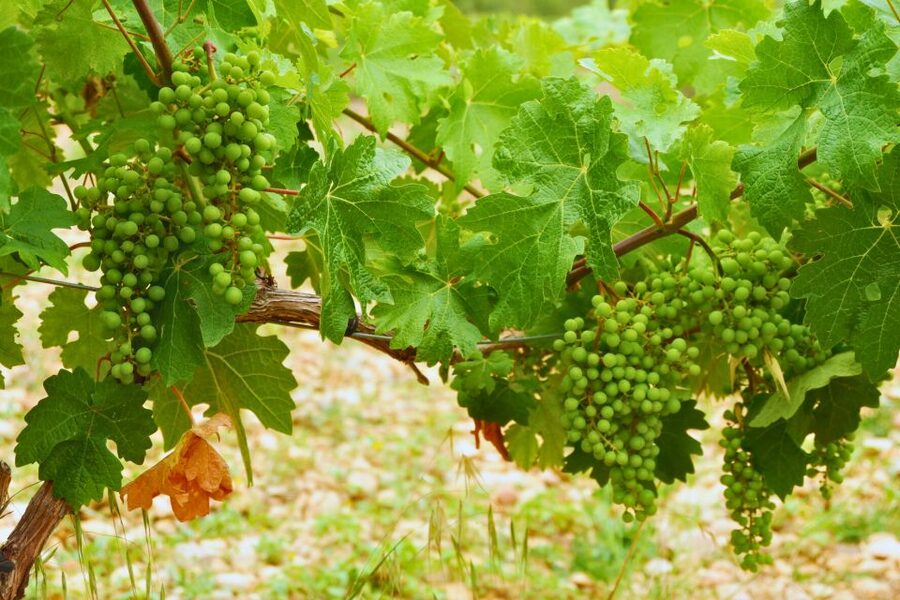
Lunch is about 1 hour, and it is a 3-course meal of local produce paired with wine. This is not just a break. It is part of how you learn.
Why does wine pairing matter here? Because Priorat’s red style is described as full-bodied, tied to old vines, mineral-rich soil, and slate. Full-bodied reds can either overwhelm food or work beautifully with it, depending on how you match textures, salt, and acidity. A paired menu helps you experience that matching in a controlled way.
This meal is also described as locally grounded. Depending on the day, lunch may be hosted at one of the wineries or in a traditional restaurant showing local dishes. Either way, the structure stays the same: local produce plus wine pairing, so you get the feel of Priorat’s culinary side, not just wine tasting as an activity.
Practical tip: pace the wine across the courses. If you start with one more glass than you need, the later pairing might feel heavier than it should. Save your best attention for dessert or the final course, if the menu offers it, because by then you are calmer and better at noticing how the wine behaves with sweet or rich flavors.
If you are a food person, this is where you’ll feel like you got your money’s worth quickly. A well-paired lunch turns the whole day from drinking into understanding.
Third cellar tasting, building a final “Priorat mental map”
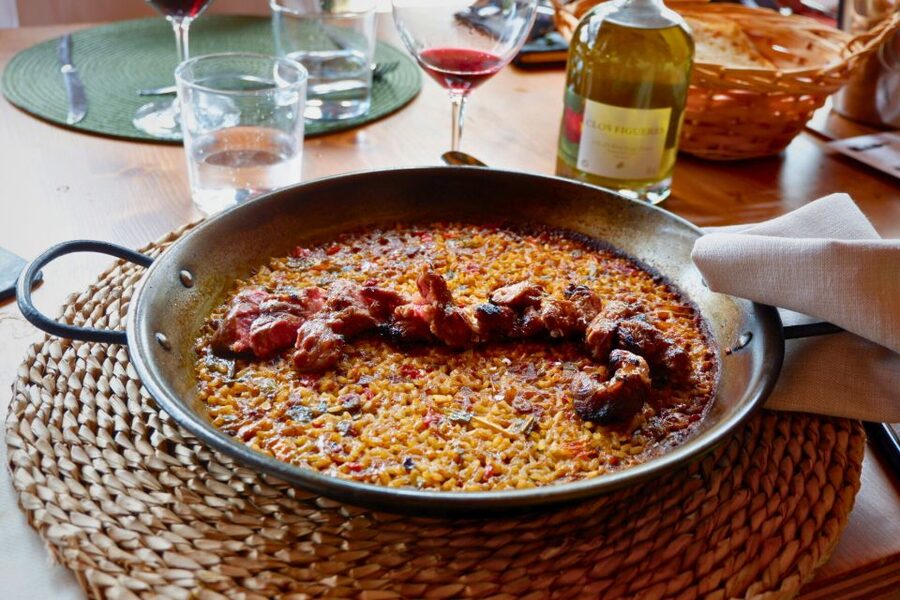
The last tasting block is about 1.5 hours, with another short van transfer to get you there. This stop is where your palate gets a final reset and where your comparisons start forming a clear picture.
Because you’ve already had time at two wineries, the third stop becomes less about discovering whether you like Priorat at all and more about refining your preferences within the region. You can start asking better questions:
- Which cellar’s style feels most balanced to me?
- Which wine carried the full-bodied character without feeling heavy?
- Which bottle stayed coherent through the finish?
The tour is designed to show the region’s wide and balanced variety, and you feel that more by the third tasting because you’re not starting from zero. You are building a mental map of styles and learning what makes them distinct.
This is also where the scenery comes back into play mentally. Priorat is described as steep hills and river canyons, and those shapes are part of why the vineyards grow where they do. After two tastings and lunch, it is easier to connect that terrain to what you see in the glasses, even if you cannot taste the canyon itself.
One ticket rarely covers it all. Here's what else is nearby.
- Barcelona: Sagrada Familia Entry Ticket with Audio Guide★ 4.6 · 105,312 reviews
- Barcelona: Park Güell Admission Ticket★ 4.4 · 76,534 reviews
- Barcelona: Casa Batlló Entry with Self-Audioguide Tour★ 4.7 · 25,359 reviews
- Barcelona: Montjuïc Cable Car Roundtrip Ticket★ 4.5 · 22,368 reviews
- Barcelona: Hola Barcelona Public Transport Travel Card★ 4.5 · 20,985 reviews
- Barcelona: 24 or 48-Hour Hop-On Hop-Off Bus Tour★ 4.4 · 20,872 reviews
The Priorat terroir story you’ll actually remember
Here are the Priorat points that you should keep in your head while you taste, because they explain what you’re noticing.
First, Priorat’s vines are described as some of the oldest and richest of the Spanish vines. That is tied to limited rain and a style of farming that supports consistent results.
Second, the region is described as having high filtration and mineral-rich soil. Those are not casual marketing claims. They’re the kinds of factors that can influence how a wine tastes structured and how it keeps its character from bottle to bottle.
Third, the black slate-laden soil is the standout detail. Slate is linked in the tour materials to the full-bodied style and the distinctive character of Priorat reds. When you hear that repeatedly, your brain starts tagging it as you taste.
If you want to take this beyond the tour, buy one or two bottles you loved and compare them later with something from a different region. You’ll have better language for the difference because you were guided to connect terrain, vine conditions, and the end result in the glass.
Guide and group size, why it feels personal without being precious
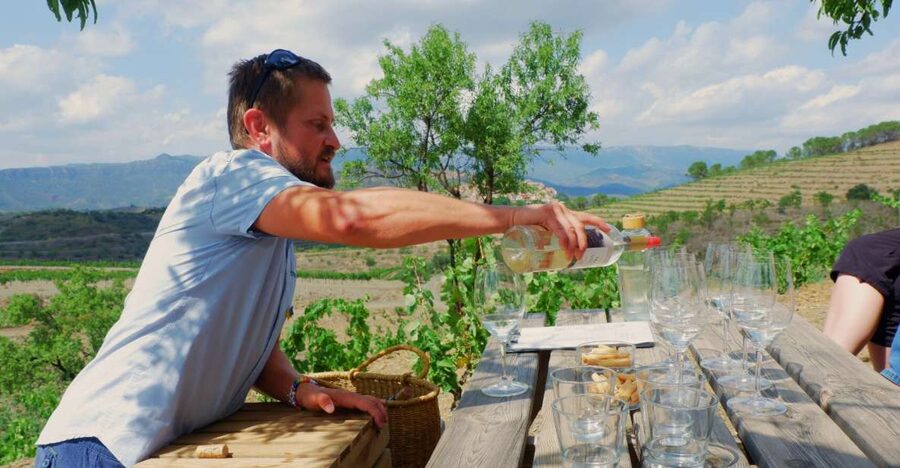
The tour is offered with a knowledgeable English-speaking and Spanish guide, and it runs with a small group limited to 8 participants. That small size is more than a comfort perk. It changes the entire conversation.
With a smaller group, you can ask follow-up questions without feeling like you are being rushed. You also get better pacing at tastings, because the guide can respond to what people are noticing, not just deliver a script.
Past experiences highlight guide personalities like Filippo and Jose Luis, and a vineyard walkthrough provided by Valeria. That matters because vineyard explanations are not the same as tasting notes. When someone connects vines, soil, and farming conditions to what’s in your glass, the wine becomes easier to understand and easier to buy with confidence later.
One consideration: since this is an intimate day built around tastings and pairing, you’ll want to be comfortable asking questions or at least paying attention. If you only want to drink and zone out, you might feel like you missed the main benefit.
Price and value: is $877 per group really fair?
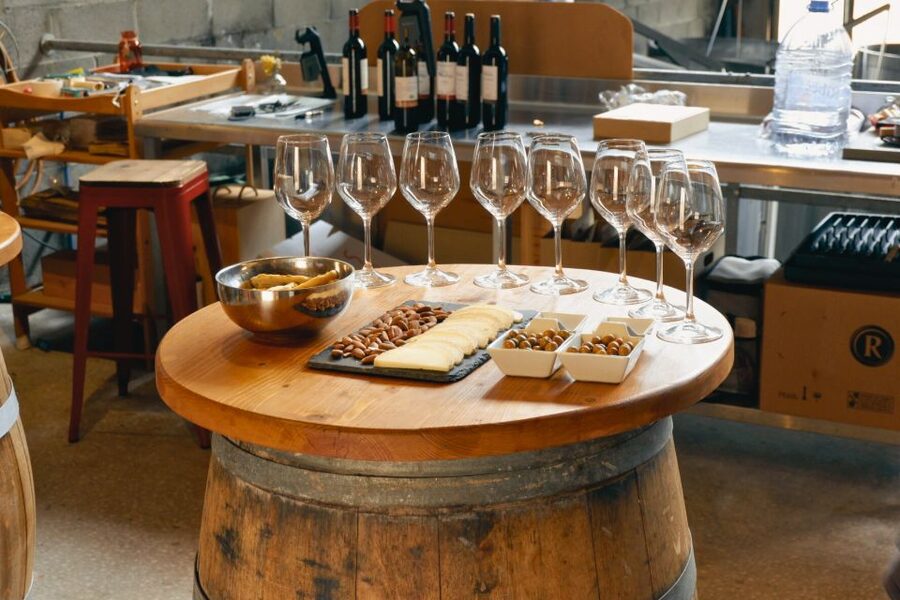
The price is listed as $877 per group, up to 1, and the duration is 11 hours. On paper, that can sound steep, especially compared with cheaper group bus tours.
Here’s the value logic that makes this feel more reasonable:
- You get hotel pickup and drop-off in Barcelona, which removes the hassle of coordinating transport for a remote region.
- You get transportation in a modern, comfortable vehicle for a full day.
- You get a guide, plus intimate access at 3 boutique wineries with generous tastings.
- You get a 3-course lunch paired with wine, not a snack stop.
Wine regions like Priorat can be expensive to visit independently once you factor in time, logistics, and the cost of access. This day compresses all of that into a single ticket. If you care about quality of access and want more than standard tasting-room pours, you may find the price makes sense fast.
If you are traveling as a couple or in a group, pricing details can swing the value. The listing suggests the “per group up to 1” structure, which implies pricing may be calculated differently depending on how many people are booked. If you want to judge value for your specific party, compare this tour’s included tastings and lunch against the total cost of independent winery visits plus a proper meal.
Who this Priorat tour suits best
This experience is a great match if:
- You love full-bodied red wines and want a structured day focused on tastings.
- You care about meeting winemakers or being hosted in boutique settings, not just passing through big rooms.
- You enjoy food pairings that show how wine works with local produce.
- You want a small group day from Barcelona with a guide who can explain what you are tasting.
It may be less ideal if:
- You want mostly sightseeing time and little wine focus.
- You get uncomfortable with long driving days.
- You prefer fully unstructured travel with no set tasting schedule.
What to bring and how to get the most out of the day
Bring comfortable shoes. That is the one explicit must-have, and it’s easy to underestimate. Vineyards and cellar areas can involve steps, uneven ground, and short walks between stops.
Also, plan your energy. You have a long van ride plus multiple tasting sessions. Hydrate before the day starts, pace your glasses at tastings, and treat the lunch pairing as part of the experience rather than a recovery break.
Finally, come with curiosity, not certainty. Priorat can feel intense because of its full-bodied style. If you’re open, you’ll learn what balance means across three different winery experiences.
Should you book this Priorat wine and nature day?
I’d book it if you want a high-access, wine-first day that explains the region through tastings and food, not through a quick photo spree. The combination of 3 boutique wineries, winemaker-hosted experiences, and a 3-course paired lunch is the kind of package that’s hard to replicate on your own without spending time and effort lining everything up.
You might skip it if you are sensitive to long days, dislike wine-focused itineraries, or just want casual sampling with minimal structure. In that case, Priorat still deserves a visit, but you’d probably be happier with a different style of tour.
If you are choosing between “cheap and crowded” and “small group with real access,” this one leans toward the second.
FAQ
How long is the Priorat tour from Barcelona?
The tour lasts 11 hours.
How many wineries do you visit?
You visit 3 boutique wineries for tastings.
Is lunch included, and is it paired with wine?
Yes, lunch is included and it is a 3-course lunch paired with wine.
What group size should I expect?
The small group is limited to 8 participants.
What languages are the guides available in?
The live tour guide is available in English and Spanish.
Do I get hotel pickup and drop-off in Barcelona?
Yes, hotel pick up and drop off are included in Barcelona.
What should I bring for the day?
Wear comfortable shoes.
Is free cancellation available?
Yes, you can cancel up to 24 hours in advance for a full refund.
Can I reserve now and pay later?
Yes, you can reserve your spot and pay later.
The latest to open for booking


Wine & Cava Tours, side by side.

Montserrat Half-Day Tour with Tapas and Gourmet Wines
Read our review →
Montserrat & Cogwheel Train, Gourmet Wine Tasting & Tapas/Lunch
Read our review →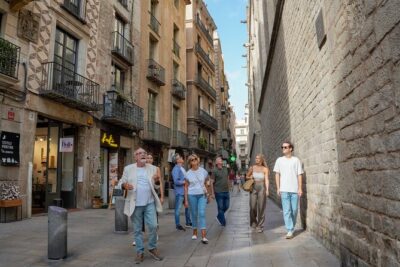
Barcelona Tapas and Wine Experience Small-Group Walking Tour
Read our review →Montserrat, Cogwheel, Black Madonna & Winery Tour
Read our review →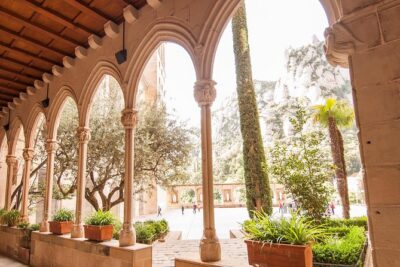
Montserrat with Black Madonna & Medieval Winery with Tapas/Lunch
Read our review →
Tapas Walking Tour with Food, Wine, and History
Read our review →

Barcelona Tapas Walking Tour: Food, Wine & History
Read our review →Where else this one turns up