

Reviewed · MUSEU PICASSO TICKETS
Picasso Tour in Barcelona with Skip-the-Line Museum
Picasso’s Barcelona feels personal from the first street. This tour connects the city you walk through with the ideas behind Picasso’s art, and it also explains how Catalan Modernism shaped Cubism. You’ll hear stories and myths tied to Picasso’s life, then link those moments to nearby sights.
I especially like the way the tour uses an Art Historian Guide to make art history practical, not abstract. One standout detail from this experience is the guide Montserrat, who brought the whole route to life with clear, strong explanations.
A quick consideration: the 2-hour option does not include Picasso Museum tickets, so if museum time is your top priority, the longer option is the one to choose.
In This Review
- Key highlights you’ll care about
- How the Picasso Trail Works in Barcelona’s Old Streets
- Meeting Point and Getting Oriented Near La Rambla
- Gothic Quarter Stops That Connect Streets to Picasso Sketches
- Catalan Modernism and Cubism, Explained While You Walk
- Seafront Stories, Artistic Crossovers, and Notable Landmarks
- Picasso Museum in the 4-Hour Option: What Skip-the-Line Actually Buys You
- Price, Group Size, and When This Feels Like Good Value
- Who This Tour Suits Best, and Who Might Want Another Plan
- Should You Book This Picasso Tour?
- FAQ
- What is included in the 2-hour Picasso tour?
- What does the 4-hour option add?
- Do I get skip-the-line access to the Picasso Museum?
- Where do I meet my guide?
- What languages are available for the guide?
- How long is the tour?
Key highlights you’ll care about
- Private, licensed art guide who leads your group in your selected language (English, French, German, Italian, or Spanish)
- Picasso trail in the Old Town, connecting sketches and paintings to specific Barcelona streets
- Gothic Quarter walking stops tied to Picasso’s early life and artistic development
- Catalan Modernism to Cubism link, explained in plain language as you move through the city
- 4-hour add-on: skip-the-line Picasso Museum with a reserved entry time and access to the permanent collection
- Well-paced ending at the Picasso Museum area, so you’re set up to continue on your own if you want
How the Picasso Trail Works in Barcelona’s Old Streets
This is not a generic highlights tour. The whole idea is to help you see Barcelona like Picasso might have, by walking through places that show up again and again in his story and in the broader Catalan art scene. You start in the center of the action, then move street by street through the Old Town, where the details matter.
You’ll also get the bigger artistic thread: the tour links Picasso with other Catalan and Spanish creativity, including Salvador Dalí and Joan Miró, while explaining Catalan Modernism and how it fed into the Cubist movement. That matters because Cubism can feel like a theory you read about. Here, it’s connected to the city itself, to architecture, and to the creative culture that surrounded these artists.
Expect the guide to weave life events into the route. Picasso’s family moved to Barcelona in 1895 after the death of his little sister, and the tour uses that to frame why Barcelona became such an important start for his artistic path. You also get mentions of places tied to his studying and working, plus those odd, human details that make famous artists feel real.
Meeting Point and Getting Oriented Near La Rambla
You meet your guide in front of the Oriente Atiram Hotel Barcelona, Rambla dels Caputxins, 45, 08002 Barcelona. Important practical note: do not go inside the hotel. It’s just a meeting point, and the staff there is not informed about the tour.
From there, the walking tour is set up to connect you quickly to La Rambla, described as a popular hangout for local artists. If you’ve ever visited Barcelona and felt like everything moves too fast, this kind of start helps. You get bearings fast, then you can focus on the details your guide points out rather than trying to figure out the route alone.
The tour is private and designed for group conversation. That means you’re not stuck with your ears full of someone else’s questions. If you have art questions, or if you want help understanding what you’re seeing, the format is built for that.
One more tip: check your email the day before the tour. The operator notes that important information comes via email, and it can help you avoid day-of surprises.
Picasso's early work, before the fame
- Barcelona: Picasso Museum Skip-the-Line Guided Tour
★ 4.5 · 3,355 reviews - Picasso Museum Skip-the-Line Guided Tour
★ 4.5 · 1,079 reviews - Barcelona: Small Group Picasso Tour with Picasso Museum
★ 4.6 · 698 reviews
Gothic Quarter Stops That Connect Streets to Picasso Sketches
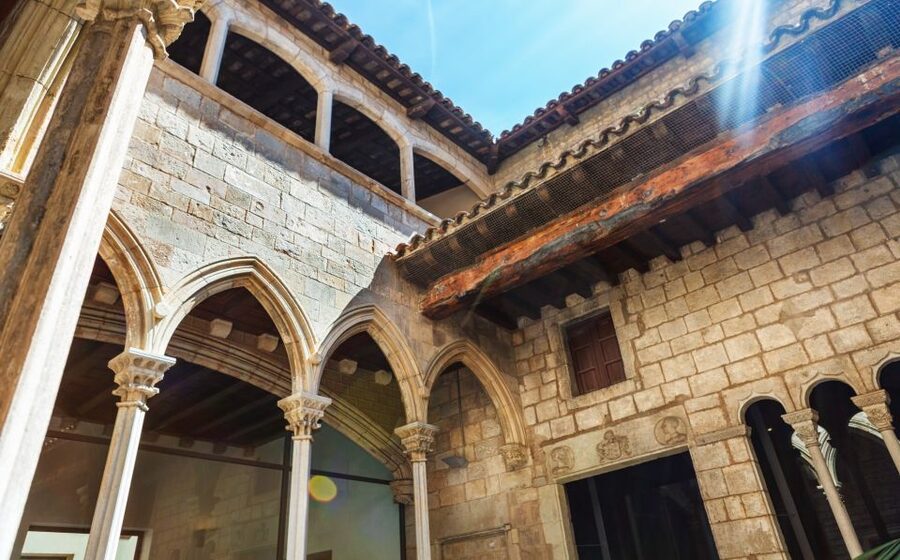
The heart of the walk is the Old Town, including the winding streets of the Gothic Quarter. This is the part where Barcelona’s medieval maze makes perfect sense for Picasso, because it’s the kind of setting that turns quick impressions into lasting visuals. Your guide doesn’t just point at buildings. The guide ties locations to Picasso’s sketches and paintings and to the artistic atmosphere around him.
One key stop is Güell Palace, described as one of Antoni Gaudí’s earlier Modernist examples. Even if you are not a Gaudí specialist, this stop works because it shows you that Barcelona’s creativity was not limited to one style or one artist. Modernism is part of the same creative engine that later feeds into new ways of seeing.
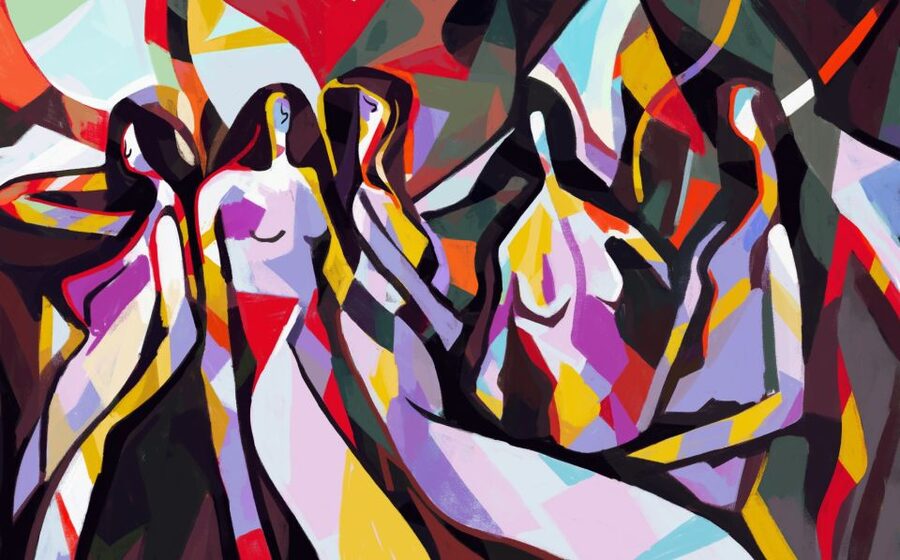
Then you move into streets specifically tied to Picasso’s life. The tour includes Carrer d’Avinyo, where he visited women who later became inspiration for The Young Ladies of Avignon. The subject matter is adult and historical, so it’s good to know the tour frames it as part of the artwork’s origins rather than as gossip. If you prefer tours that keep things strictly light, consider that the guide will handle it in an art context.
Another street stop is Carrer dels Escudellers, mentioned as a location where he had a studio in 1899. This is a good reminder that artists weren’t floating above the city. They worked inside real neighborhoods, and those neighborhoods shaped what they made.
Catalan Modernism and Cubism, Explained While You Walk
This tour does something smart with Catalan Modernism and Cubism: it treats the art movements like they grew from real choices people made in Barcelona. As you move through the Old Town and key landmarks, your guide explains how Catalan Modernism inspired Cubist thinking.
That translation step is the difference between a tour that sounds impressive and one that actually helps you understand what you’ll see later. Instead of treating Cubism like a set of rules, you’ll hear how artists were experimenting with form, perspective, and the meaning of visual reality. And because the route includes both older Gothic spaces and Modernist architecture, the city becomes part of the explanation.
You also get connected stories to help you follow the creative thread. The route doesn’t isolate Picasso. It links him to the wider Catalan and Spanish artistic environment, including artists like Salvador Dalí and Joan Miró. If you already have a favorite artist, this helps you place them in the same bigger conversation.
One practical upside here: the guide commentary helps you read the city while you’re walking. When you reach new streets, you’re not just looking at sights. You’re looking for the ideas your guide said would matter, which makes the whole city feel more like a museum without walls.
Seafront Stories, Artistic Crossovers, and Notable Landmarks

After the Gothic Quarter, the route continues along the seafront Passeig de Colom. This changes the vibe, and it’s useful. The sea air and open promenade space give your brain a break after the tight Old Town streets, and it also creates a new stage for the story.
One of the most memorable named stops here is the former residence of Picasso’s first wife, the Russian ballerina Olga Khokhlova. It’s an example of how the tour uses personal life details to connect you to real places, not just to famous artwork.
Along the way, you also pass Roy Lichtenstein’s abstract sculpture El Cap de Barcelona. That’s a great crossover moment because it shows how modern artists and public art keep responding to Barcelona’s visual identity long after Picasso’s era. It also helps you notice the city’s layers: historic art, Modernist architecture, and later artistic tributes all sitting in the same urban space.
The walk also includes the Royal Academy of Arts, mentioned as a place where Picasso attended. Seeing institutions like this on foot helps make the artist’s education feel concrete.
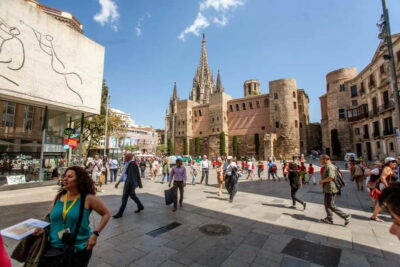
You’ll also visit or pass by the Basilica of Santa Maria del Mar. For many people, this is where the tour clicks emotionally. It’s a massive, grounded piece of Barcelona, and the guide’s context makes it feel like a backdrop to artistic development rather than just a photo stop.
The walk ends in front of the Picasso Museum area, which is ideal if you booked the 4-hour option, or if you simply want to continue exploring on your own after the guided part.
Picasso Museum in the 4-Hour Option: What Skip-the-Line Actually Buys You
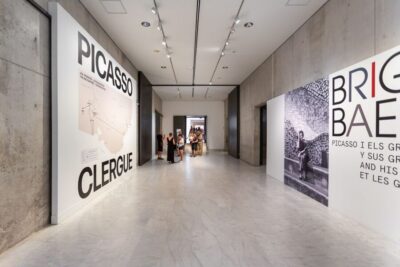
If you choose the 4-hour tour, you add a visit to the Picasso Museum. This is where the walking story gets tested in real art viewing. The museum focuses on Picasso’s relationship with Barcelona and how his artistic maturity developed there.
The skip-the-line benefit is specific and practical. With your reserved time slot, you enter at your pre-booked time without waiting in line at the ticket office. That matters in Barcelona because museum lines can eat up half your energy before you even get inside. Here, you arrive already set.
Inside, you’ll see more than 3,500 sketches and paintings, with many works donated by Picasso himself. That scale is impressive, but the real value is that you can track how ideas evolve. Picasso wasn’t always producing a single final style. You’ll see the stepping stones.
The tour highlights a few collection touchpoints, including The First Society (1896), Science and Charity (1897), and Roofs of Barcelona (1903). Those titles give you anchors as you wander through rooms, and your guide can help you understand what changed over time rather than treating it as random masterpieces in a row.
Two more museum details to keep in mind:
- Skip-the-line entry covers the permanent collection only.
- The tour notes museum regulations affect group sizes, so the 4-hour option keeps things smaller at the guide level.
Other things to see around Barcelona
- Barcelona: Park Guell Guided Tour with Skip The Line Entry★ 4.7 · 17,563 reviews
- Barcelona: Sagrada Familia Skip-the-Line Entry Ticket & Tour★ 4.8 · 12,789 reviews
- Park Guell Guided Tour with Skip the Line Ticket★ 4.5 · 6,996 reviews
- Park Guell and Sagrada Familia Tour with Skip the Line Tickets★ 5.0 · 6,384 reviews
- Barcelona: Sagrada Familia Skip-the-Line Guided Tour★ 4.3 · 5,365 reviews
- Barcelona: Sagrada Familia Skip-the-Line Guided Tour★ 4.8 · 3,824 reviews
Price, Group Size, and When This Feels Like Good Value
The price is listed at $206 per person, with options ranging from 2 to 4 hours. Whether that feels like a bargain depends on which option you choose and what you want most: street story time, museum time, or both.
Here’s the value math you can actually use:
- If you want the museum experience, the 4-hour option is the one that makes the price feel justified, because it adds skip-the-line tickets with a reserved entry time and a guided museum visit.
- If you mainly want the walking connection, the 2-hour option can be a good fit, but remember the museum tickets are not included in that shorter version. You’ll end near the museum, but you’ll still need to plan museum entry separately.
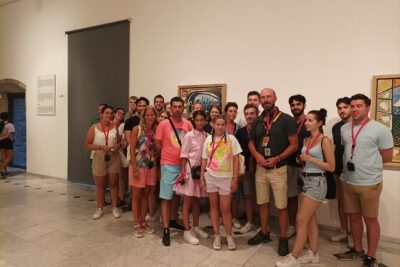
Group size is another quiet factor. For the 2-hour tour, it’s designed around one licensed guide per maximum of 25 guests. That helps with pacing and questions, though it’s still not the same as one-on-one attention. For the 4-hour tour, museum regulations mean one licensed guide can lead a group of 1 to 9 people. That smaller size can feel more personal, especially inside the museum rooms where your guide needs to manage movement and time.
This tour is private group, and it includes a licensed art guide and expert commentary on Spanish and Catalan artists, Catalan Modernism, and Cubism. That combination is the real cost driver. You’re paying for interpretation, not just for movement through scenic streets.
Who This Tour Suits Best, and Who Might Want Another Plan

This is a strong match if you like art that has a clear place in the world. You’ll enjoy the route if you want your city sightseeing to connect to real artists, real neighborhoods, and real reasons why certain streets matter.
It’s also a good pick if you are traveling with someone who loves art and you want a shared activity that feels more meaningful than just walking from one landmark to another. The tour includes stories, myths, and guide commentary, so there’s plenty to talk about as you move.
Choose the 4-hour option if you want the full arc: street context first, museum artworks right after. Choose the 2-hour option if you’re short on time but still want a guided Picasso trail through the Old Town.
One more practical note: the tour is wheelchair accessible. If you need accessibility support, it’s worth confirming details directly with the operator when you book, but the listing states it’s accessible.
Should You Book This Picasso Tour?
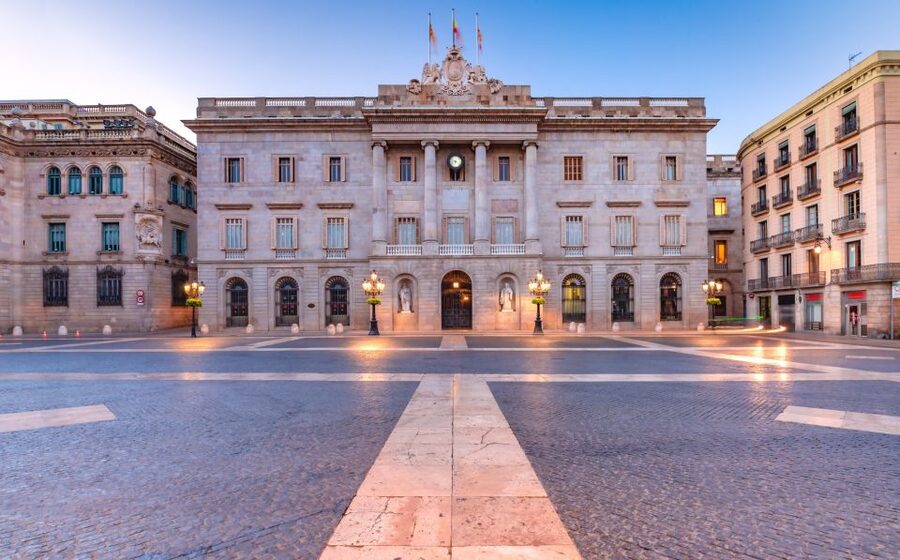
Yes, if you want your Barcelona visit to feel like a guided art education without losing the pleasure of walking real streets. The strongest reason to book is the combination of Picasso-focused storytelling plus an actual route through neighborhoods that shaped his early life and artistic development.
If you are coming for Picasso the artist and not just the idea of him, book the 4-hour version so your time doesn’t get split. You’ll also appreciate the skip-the-line entry for the permanent collection, because it protects your schedule.
Skip the 4-hour option only if you are firmly museum-optional and prefer to keep your plans light. Otherwise, the longer format is the cleanest way to connect the street story to the art on the walls.
FAQ
What is included in the 2-hour Picasso tour?
The 2-hour option includes a private walking tour with a 5-star licensed art guide, interesting Picasso-related facts and sights, and expert commentary on Catalan Modernism and Cubism. Picasso Museum tickets are not included in the 2-hour tour.
What does the 4-hour option add?
The 4-hour option enhances the experience with a visit to the Picasso Museum in Barcelona. You get skip-the-line tickets with a reserved time slot to avoid waiting in long lines, plus guided time that focuses on the museum’s permanent collection.
Do I get skip-the-line access to the Picasso Museum?
Skip-the-line tickets to the Picasso Museum are included only in the 4-hour tour. The entry is at a pre-booked time, without waiting in line at the ticket office, and it covers the permanent collection only.
Where do I meet my guide?
Meet your guide in front of the Oriente Atiram Hotel Barcelona, Rambla dels Caputxins, 45, 08002 Barcelona, Spain. Please do not enter the hotel since it is only a meeting point.
What languages are available for the guide?
The live tour guide is available in English, French, German, Italian, and Spanish, depending on what you select when booking.
How long is the tour?
The duration depends on the option you choose, ranging from 2 to 4 hours. The 4-hour option includes the Picasso Museum visit with skip-the-line tickets.
More Museums in Barcelona




The latest to open for booking

Museu Picasso Tickets, side by side.
Picasso Museum and Walking Tour Plus Optional Wine & Food Tasting
Read our review →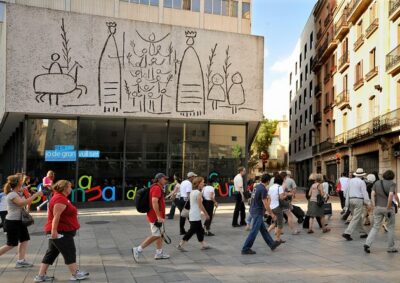
Picasso Small Group Walking Tour with Museum Skip the Line Ticket
Read our review →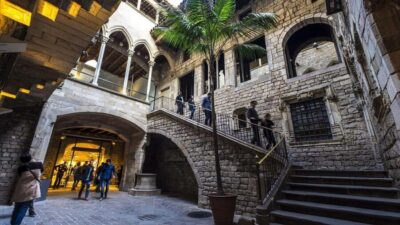
Picasso Museum Entry, Digital Guide & Born Walk
Read our review →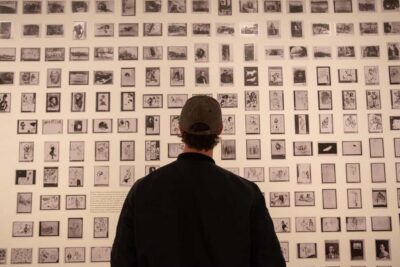
Skip-the-Line Guided Tour of the Picasso Museum
Read our review →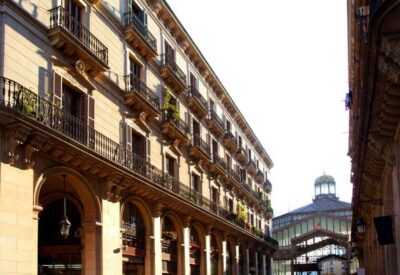
Where else this one turns up