
Reviewed · WALKING TOURS
Secret Art Nouveau Masterpieces Private Walking Tour Barcelona
Secret facades change how you see Barcelona. This private Art Nouveau walking tour guides you to lesser-known Modernisme addresses, plus quiet streets where architecture feels personal. You get short, focused stops, story time, and help framing professional-style photos, so the details actually stick.
I love how the tour keeps the pace human, with stops like Casa Comalat and Palau del Baro de Quadras that most people zip past. I also love the guide factor. The tour’s guide, Luka (listed as Lukan), comes across as excellent at explaining what you are looking at, which makes the buildings feel way less abstract.
One possible drawback: several of the architecture stops are not included for interior access, so you may admire from outside depending on what is available. Also, with a 1 to 2 hour window and short stop times, this is more about seeing and understanding the facades than spending hours inside.
In This Review
- Key things that make this tour worth your time
- Why Barcelona Modernisme feels best on a walking route
- Price and logistics: what $71.84 gets you
- Meeting at La Cava Cakery, then ending on Passeig de Gràcia
- Stop-by-stop: what you see and what to look for
- Casa Comalat: a 1911 apartment with Gaudi influence
- Palau del Baro de Quadras: 1906 modernist palace with Gothic and Arabesque echoes
- Casa Bonaventura Ferrer: Modernisme-style work from 1906 by Pere Falqués i Urpí
- Casa Sayrach on Avinguda Diagonal: late Modernista confidence
- Casa Mila, La Pedrera: Gaudí’s last private residence
- Passatge de la Concepció and Plaça Catalunya: Eixample’s extension vibe
- The photography component: how to get better shots in real streets
- What the guide adds, and why it changes the buildings
- Who should book this tour, and who might want a longer plan
- Should you book Secret Art Nouveau Masterpieces Private Walking Tour Barcelona?
- FAQ
- How long is the Secret Art Nouveau Masterpieces Private Walking Tour Barcelona?
- What is the price per person?
- Is this tour private?
- Do I need to buy admission tickets for the stops?
- Where does the tour start and end?
- Do I get a ticket on my phone?
- Is the tour near public transportation, and can service animals participate?
Key things that make this tour worth your time
- Private group pacing keeps you from getting rushed and lets you ask questions.
- Stop times are short and specific, so you see more addresses without feeling dragged.
- Luka’s explanations help you spot Modernisme details you would likely miss on your own.
- Photo guidance is built in, which is great if you are trying to get cleaner shots in Barcelona’s streets.
- Multiple styles in one route, from Gaudi-influenced work to Gothic and Arabesque details.
- Mobile ticket makes it easier to start without paperwork stress.
Why Barcelona Modernisme feels best on a walking route
Barcelona’s Art Nouveau, or Modernisme, can feel like a wall of stone if you do it alone. You see beautiful stuff, sure, but without context, your brain files it under pretty and moves on. On a guided walk like this, the key difference is that you are repeatedly trained to look.
You get a sequence of buildings that show how the style varies street to street. Some facades look playful and organic. Others lean into historical references, like Gothic or Arabesque-inspired ornament. When you see those contrasts back to back, the style stops being random decoration and starts behaving like a language.
And the walking part matters. You are on smaller blocks and side streets, not just staring up from a single viewpoint. That makes it easier to judge proportions, understand how a building sits on the street, and catch details while you are moving past them.
Price and logistics: what $71.84 gets you
At $71.84 per person for a 1 to 2 hour experience, you are paying for two things: a guided architectural route and the fact that it is private, meaning only your group participates. That often makes the per-person cost feel more reasonable than a big group tour, especially if you care about asking questions or taking your time with photographs.
The experience also includes a mobile ticket, which is the kind of small thing that reduces hassle at the start. Confirmation is received at booking, and the tour runs in a window that fits nicely into a day of sightseeing.
One important value note: admission tickets are listed as not included for most of the specific buildings. That means your time is designed around exterior viewing and explanation, with a possible need for add-on tickets if you want interior access where available. Also, there is at least one stop listed as free, so you get a small built-in win.
If plans change, cancellation is free up to 24 hours in advance for a full refund. That gives you flexibility, which is handy in a city where weather and energy can shift fast.
Other things to see around Barcelona
- Barcelona: Tapas Walking Tour with Food, Wine, and History
★ 4.8 · 4,261 reviews - Highlights & Hidden Spots of Barcelona Bike Tour w/ Local Guide
★ 4.5 · 3,009 reviews - Barcelona Tapas Walking Tour: Food, Wine & History
★ 4.5 · 1,928 reviews
Meeting at La Cava Cakery, then ending on Passeig de Gràcia
The tour starts at La Cava Cakery, Pg. de St. Joan, 111, local 2, in L’Eixample (08037). It ends on Passeig de Gràcia at the Diagonal area, where Palau Robert is located.
That start-to-finish shape is a win for your day. You begin in a central Eixample area and finish on one of Barcelona’s most famous streets, which makes it easier to roll into shopping, museums, or a pre-dinner wander afterward. If you are building an itinerary, try not to schedule the tour as your very last activity of the day unless you have dinner reservations nearby, since you will end in a prime transit and walking zone rather than a quiet pocket.
Also, the meeting and ending locations are both in areas with good public transportation access, which is helpful if you are mixing buses and metro lines.
Stop-by-stop: what you see and what to look for
Casa Comalat: a 1911 apartment with Gaudi influence
Your first stop is Casa Comalat, designed as an art nouveau apartment building and linked to Gaudi influences. The architect named here is Salvador Valeri i Pupurull, with a 1911 date.
This is a smart opening choice. Starting with an apartment building helps you shift your mindset. Modernisme in Barcelona is not only about grand landmarks. It is also about how wealthy and middle-class residents wanted daily life to feel, even from the street.
At Casa Comalat, I would focus on facade rhythm, the way decorative elements are balanced around openings, and how the building uses form to look lively without needing to be flashy. Since this stop is about 15 minutes, you will want to pick a couple of features to watch as you arrive, like balcony framing or ornamental patterns near windows, then compare them to what you see at later stops.
Admission is not included for this stop, so plan on outside viewing.
Palau del Baro de Quadras: 1906 modernist palace with Gothic and Arabesque echoes
Next up is Palau del Baro de Quadras, a 1906 modernist palace designed by Josep Puig. The description flags an especially fun mix: ornate Gothic and Arabesque-inspired details.
This stop is built for people who enjoy architectural “references.” You can stand there and look for how Barcelona Modernisme borrowed ideas from older styles, then reshaped them into something new. Gothic influence often shows up in pointed forms and vertical emphasis. Arabesque influence can show up in repeating geometric motifs and intricate surface pattern.
The stop is roughly 15 minutes, which is enough time to get a feel for the facade as a whole, then zoom in on ornament. Try this photo approach: take one wide shot for overall composition, then step a few feet to capture details. That way your camera catches both the design logic and the craftsmanship.
Again, admission is listed as not included, so keep your expectations focused on exterior impact.
One ticket rarely covers it all. Here's what else is nearby.
- Barcelona: Sagrada Familia Entry Ticket with Audio Guide★ 4.6 · 105,312 reviews
- Barcelona: Park Güell Admission Ticket★ 4.4 · 76,534 reviews
- Barcelona: Casa Batlló Entry with Self-Audioguide Tour★ 4.7 · 25,359 reviews
- Barcelona: Montjuïc Cable Car Roundtrip Ticket★ 4.5 · 22,368 reviews
- Barcelona: Hola Barcelona Public Transport Travel Card★ 4.5 · 20,985 reviews
- Barcelona: 24 or 48-Hour Hop-On Hop-Off Bus Tour★ 4.4 · 20,872 reviews
Casa Bonaventura Ferrer: Modernisme-style work from 1906 by Pere Falqués i Urpí
After that you visit Casa Bonaventura Ferrer, a Modernisme or Art Nouveau project by architect Pere Falqués i Urpí, dated 1906. This stop is shorter, about 10 minutes.
Short stops can be tricky, but they can also be efficient if you know what to do. With Casa Bonaventura Ferrer, I would treat it like a “pattern spot” moment. Instead of trying to photograph everything, pick one key decorative area and learn how it contributes to the facade overall. You will likely see links between window shapes, decorative framing, and how the building signals luxury or identity to passersby.
Because the stop is brief and admission is not included, this is best enjoyed when you stay present for visuals rather than expecting an inside tour.
Casa Sayrach on Avinguda Diagonal: late Modernista confidence
Now you are at Casa Sayrach, described as one of the last Modernista buildings in Barcelona. It sits imposingly on Avinguda Diagonal, and the notes emphasize that it captures what the masters of the style achieved in Barcelona. The stop time is about 10 minutes.
Diagonal changes everything about your experience. It is a bigger avenue, with more visual competition and more wind. So the challenge is to not let scale intimidate you. Casa Sayrach is essentially a “face forward” building. Look for how it holds its beauty at street level, not just when you crane your neck.
Try to notice how the facade’s structure and ornament work together. Modernisme often uses decoration to reinforce architecture, like making stonework act almost like movement. Even if you are moving quickly, you can catch the feeling by watching how elements align with windows and edges.
Admission is not included for this stop, and time is tight, so keep your focus on immediate exterior details rather than planning a long photo session.
Casa Mila, La Pedrera: Gaudí’s last private residence
The biggest name on the list is Casa Mila, commonly known as La Pedrera. It is described as the last private residence designed by Antoni Gaudí. The nickname La Pedrera refers to the stone quarry, which fits the building’s rough-hewn, sculptural vibe.
This stop is about 15 minutes, and it is one of the reasons people book a Modernisme route in the first place. Even from the street, Casa Mila has that unmistakable “hands made it” look. Curves, stone texture, and sculpted forms create an atmosphere that feels more like a monument than a building.
What I like about making Casa Mila part of a route is that it stops being a standalone bucket list item. By the time you reach it, you have seen other architects, other approaches, and other decorative languages. Now you can spot what Gaudí does differently.
Because admission is not included, your time here is best for exterior appreciation and photo practice. If you want to go inside, you would likely need separate tickets, since the tour data lists admission not included for this stop. So decide early: are you doing this walk mainly for the story and street-level details, or are you also planning an interior visit with another ticket?
Passatge de la Concepció and Plaça Catalunya: Eixample’s extension vibe
The final shift is more about city shape than a single facade. You pass through Plaça Catalunya and enter the newer Eixample district, described as literally meaning extension. You then go through Passatge de la Concepció, with about 10 minutes listed for this part.
This is a good ending because it gives you a breather and a mental map. Modernisme is tied to Barcelona’s growth and planning, so learning how you move from one pocket of the city to another helps your overall understanding. The Eixample grid and planned expansion matter because many Modernisme facades were built to attract attention along long, straight avenues and intersections.
Passatge de la Concepció also adds a sense of hidden passage and calmer street atmosphere. You are not only seeing big exteriors, you are also experiencing how Barcelona’s walkways can feel like different worlds in a few turns.
The photography component: how to get better shots in real streets
This tour includes professional photography as part of the experience. That matters because Modernisme is all about small decisions: the angle, the distance, the way lines converge, and the timing of light. In busy Barcelona, it is easy to end up with blurry or poorly framed photos, even when you are aiming at something great.
A guide who understands where to stand and how to angle your camera can save you a lot of wasted minutes. Your best strategy is to treat each stop like two shots: one wide shot for the whole facade, then one closer detail shot for ornament. You will get more variety in your final set, and you will remember more of what you learned.
Also, because the stop times are relatively short, photo help is not just a bonus. It is part of how the tour manages your attention and keeps the pacing smooth.
What the guide adds, and why it changes the buildings
You might think Modernisme is about pretty facades. It is, but it is also about ideas made visible. On this tour, the explanations focus on how specific architects shaped the style and how different influences show up in stone and decoration.
That is why the guide matters. In the one review available, Luka is praised as very knowledgeable, and the experience is specifically described as taking people to Modernisme jewels they would otherwise miss. You can treat that as a promise that you will not just point and shoot. You will look at details, learn what they mean, and then look again with more confidence.
Even if you are not an architecture nerd, this approach helps you avoid the common beginner mistake: admiring the facade once, then forgetting what made it special ten minutes later.
Who should book this tour, and who might want a longer plan
This tour is a great fit if you:
- Like architecture and want clear, practical guidance while you walk
- Want a private experience without a long, exhausting day
- Care about getting better photos rather than only taking souvenirs
- Are in Barcelona for a limited time and want a concentrated Modernisme route
It might not be the best match if you:
- Want lots of interior visits, because admission is not included for most listed stops
- Prefer a slow, linger-all-day style tour, since many stops are around 10 to 15 minutes
- Want a deep museum-style lecture, because this is a street-focused walking experience
Should you book Secret Art Nouveau Masterpieces Private Walking Tour Barcelona?
I think it is a smart booking if you want a focused Modernisme hit with a personal guide and built-in photo help. At $71.84 per person, the value comes from the private format and the fact that you are not just looking at famous buildings, you are seeing the lesser-visited names and learning what to notice.
If you are the type who gets bored on generic architecture tours, this one has a better chance of working because it mixes recognizable style themes with surprising stop choices. If you are dreaming of interiors, plan to pair this walk with separate tickets for any sites you want to go inside, since admission is not included for the major stops listed.
My call: book it if your goal is understanding and street-level photos, not spending half your day ticket-hunting.
FAQ
How long is the Secret Art Nouveau Masterpieces Private Walking Tour Barcelona?
The tour runs for about 1 to 2 hours.
What is the price per person?
The price is $71.84 per person.
Is this tour private?
Yes. It is a private tour/activity, and only your group participates.
Do I need to buy admission tickets for the stops?
Admission tickets are not included for most of the listed stops. Passatge de la Concepció is listed as free.
Where does the tour start and end?
It starts at La Cava Cakery on Pg. de St. Joan, 111, local 2, in L’Eixample. It ends on Passeig de Gràcia, at Diagonal, where Palau Robert is located.
Do I get a ticket on my phone?
Yes. The tour uses a mobile ticket.
Is the tour near public transportation, and can service animals participate?
Yes, it is near public transportation, and service animals are allowed.
The latest to open for booking
Walking Tours, side by side.
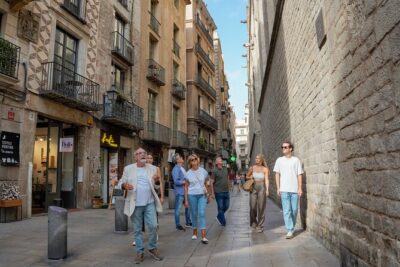
Barcelona Tapas and Wine Experience Small-Group Walking Tour
Read our review →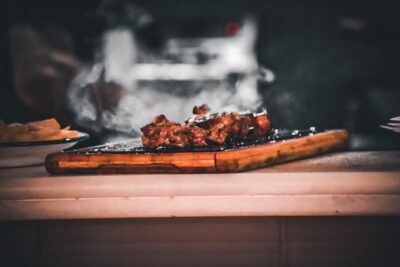
Tapas Walking Tour with Food, Wine, and History
Read our review →
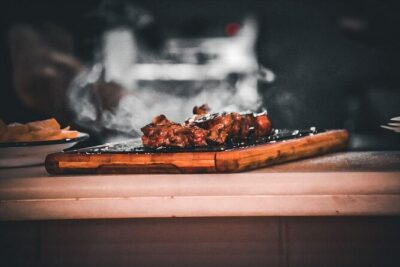
Barcelona Tapas Walking Tour: Food, Wine & History
Read our review →
Barcelona Helicopter, Sailboat & Old Town Private Walking Tour
Read our review →
Guided Food Walking Tour with Tapas and Wine
Read our review →Where else this one turns up