
Reviewed · HISTORICAL TOURS
The Secret of Cerdà – Barcelona
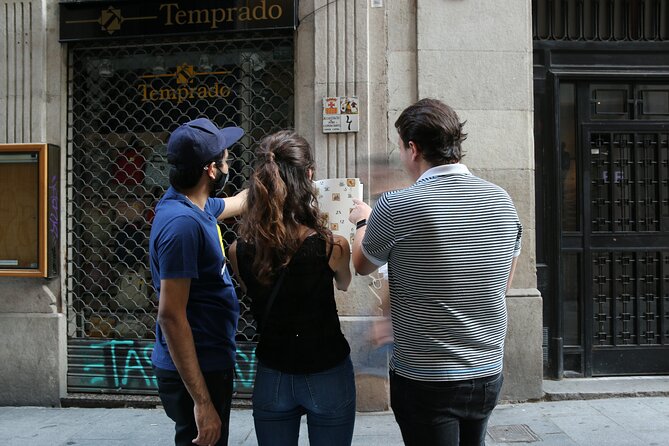
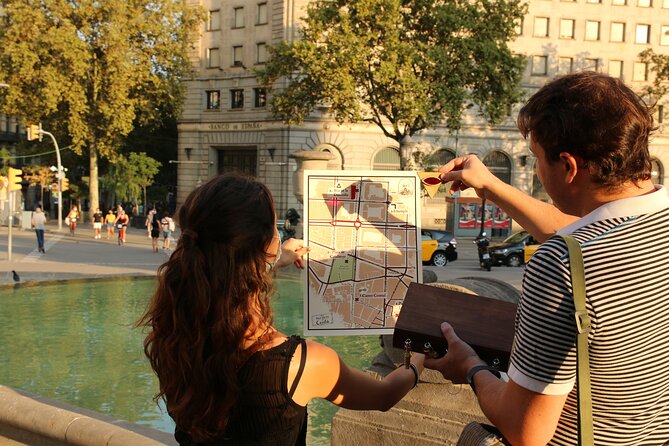
Barcelona turns into a game board. This walking puzzle leads you through the city center while you uncover the ideas of Ildefons Cerdà and the logic behind the Eixample expansion. I especially love the way puzzle solving makes famous sights feel personal, and I like that you get true stories tied to real streets and buildings. One thing to consider: it is not a fully guided, stop-and-talk tour the whole time, so if you want constant narration, this might feel more self-led than expected.
You will move at your own pace along a roughly 3 km route, using a mobile ticket and working through challenges as you go. It is a great pick if your group includes kids or if you simply want a different kind of “see the city” activity that does not require a museum mindset.
In This Review
- Key things to know before you play
- A puzzle walk through Barcelona’s grid and ideas
- Where you start: Carrer de Trafalgar to keep your navigation easy
- Palau de la Música Catalana: the stop that sets the tone
- Eixample puzzles: how Cerdà’s plan becomes a scavenger hunt
- Manzana de la Discordia: the moment the city starts to feel clever
- Plaza de Catalunya: wrap-up energy and an easy exit
- How long and how much walking: plan for a 3 km active afternoon
- Language options and how you’ll experience the story
- Price and value: $26.36 per person for a self-paced city challenge
- Group-friendly fun, including families and first-timers
- How customer support shapes the experience
- Quick tips to make your 2 hours smoother
- Should you book The Secret of Cerdà?
- FAQ
- How long is The Secret of Cerdà in Barcelona?
- What distance will we walk during the game?
- Where do we meet, and does it end there too?
- Is the tour private or shared with other people?
- What languages is the experience available in?
- Is there a mobile ticket?
- Can service animals join the experience?
- Can I cancel for a full refund?
Key things to know before you play
- A 3 km, 2 hour walking route keeps the pace active without dragging on all afternoon
- Cerdà’s urban plan comes alive through puzzles, not lectures
- Palau de la Música Catalana, Eixample, Manzana de la Discordia, Plaza de Catalunya give you a smart mix of landmarks and neighborhoods
- Private group format means it is just your crew, not a big shared scramble
- Mobile ticket makes arrival simple, no print needed
- English available, with additional options in Spanish, Catalan, and French
A puzzle walk through Barcelona’s grid and ideas
Most sightseeing is you look, you read, you move on. This experience flips that into a walking challenge where you spot details, answer questions, and connect what you see to why Barcelona was redesigned. The core theme is simple and interesting: in the mid-1800s, Barcelona needed to grow, and architect Ildefons Cerdà’s plan became the blueprint.
What you get is not just “here is a landmark.” You learn how the city’s layout shaped daily life, and you do it by paying attention while you walk. That attention is the secret sauce. When you chase a clue, you notice the building lines, corners, and textures you would normally glide past.
The route takes you through the historic center while also hitting the Eixample expansion, so you see the contrast between older Barcelona and Cerdà’s systematic thinking. If you enjoy hands-on learning or the escape room style of problem solving, you will feel right at home.
Where you start: Carrer de Trafalgar to keep your navigation easy
The meeting point is Carrer de Trafalgar, 17, in L’Eixample, Barcelona. The good news is that the area is central, and the activity is described as near public transportation, so getting there is usually straightforward.
The format is also friendly for first-time visitors. You do not need to “find the correct alley” or solve anything before you begin, since you start at a clear address and the game walks you from there. And it ends back at the same meeting point, so you are not stuck figuring out how to get home after you finish.
If you like to plan with realistic timing, this matters. Two hours is long enough to feel like an experience, but short enough that you can still stack another activity the same day.
Other things to see around Barcelona
- Barcelona: Tapas Walking Tour with Food, Wine, and History
★ 4.8 · 4,261 reviews - Highlights & Hidden Spots of Barcelona Bike Tour w/ Local Guide
★ 4.5 · 3,009 reviews - Barcelona Tapas Walking Tour: Food, Wine & History
★ 4.5 · 1,928 reviews
Palau de la Música Catalana: the stop that sets the tone
One of the early highlights is the Palace of Catalan Music. Even if you only catch the exterior, it is a striking place to start a clue hunt because it instantly signals that Barcelona is more than plain blocks and quick photos.
Why this stop works for the game: the puzzles push you to look longer than you normally would. Instead of treating the building like a postcard, you treat it like a reference point for the story you are building. That makes the later Eixample sections feel more meaningful, because you have already trained your eyes.
A small drawback to keep in mind: depending on the pacing of your group, you might spend less time just wandering around than you would if you were doing a full architectural visit. If your goal is purely passive admiration, you may want to pair this with separate sightseeing. If your goal is learning through play, you’ll likely love this opening move.
Eixample puzzles: how Cerdà’s plan becomes a scavenger hunt
Next up is the Eixample area, and this is where the experience’s promise really shows. Cerdà is not just a name on a plaque. The game helps you connect his planning choices to what you see in the street grid and building patterns as you solve challenges.
This is the part that makes it more than a “treasure hunt.” The puzzles are tied to Barcelona’s real history and the city’s growth. In practical terms, that means you are walking with purpose and learning as you go, rather than reading a short explanation once and then moving on.
Also, your group can set the tone. Friends can split up to search for clues, and families can take turns. Since the activity is designed for people to participate comfortably, you are not expected to be an architecture expert to enjoy it.
One consideration: if your group dislikes puzzle formats, you may feel a bit impatient during the clue pauses. The experience seems built for engagement, not quick walking.
Manzana de la Discordia: the moment the city starts to feel clever
The Manzana de la Discordia stop is a fun bridge between the historical idea and the reality on the ground. This area is known for its architectural personality, and in a puzzle game setting, it becomes more than a neat sight.
What you’ll likely enjoy here is that the challenge keeps you moving and noticing. Instead of taking a photo and stepping away, you have a reason to look up, compare, and follow the game’s trail of logic. That is also where a smart group dynamic helps. When everyone contributes a clue answer, you feel the city click into place.
If you are traveling with kids, this stop can be a highlight because the game format turns urban details into something interactive. Adults get value too, especially if you like facts that connect to everyday life rather than abstract history.
Plaza de Catalunya: wrap-up energy and an easy exit
The last landmark listed is Plaza de Catalunya. Ending near such a well-known square is a smart choice because it feels natural to transition from the game to regular sightseeing or a meal.
From a practical perspective, ending back at the meeting point also reduces stress. You do not need to plan a second route home or figure out a new endpoint after you are done thinking and walking.
This wrap-up phase tends to be where groups slow down and reflect. You will likely notice patterns you did not spot earlier, because the game has taught you to read the city like a map. Even if you already knew the basics of Cerdà or Barcelona’s expansion, you get a fresh angle by working through the story as you move.
One ticket rarely covers it all. Here's what else is nearby.
- Barcelona: Sagrada Familia Entry Ticket with Audio Guide★ 4.6 · 105,312 reviews
- Barcelona: Park Güell Admission Ticket★ 4.4 · 76,534 reviews
- Barcelona: Casa Batlló Entry with Self-Audioguide Tour★ 4.7 · 25,359 reviews
- Barcelona: Montjuïc Cable Car Roundtrip Ticket★ 4.5 · 22,368 reviews
- Barcelona: Hola Barcelona Public Transport Travel Card★ 4.5 · 20,985 reviews
- Barcelona: 24 or 48-Hour Hop-On Hop-Off Bus Tour★ 4.4 · 20,872 reviews
How long and how much walking: plan for a 3 km active afternoon
The route is described as about 3 km with an estimated 2 hours of play time. That is a great size for a half-day plan, especially when you want something more structured than “wander on your feet.”
Here is how I’d think about it for planning: wear comfortable walking shoes, bring water, and expect some stops for puzzle solving. You can likely pause for food and drink along the way if you need it, since the format is based on a walking route rather than a timed ride.
If your group includes people with lower stamina, remember you are doing a walking game. You might still be able to keep up, but it is not a sit-down experience. The good news is that it is described as suitable for most travelers, and it is a private group, so you can manage your pace better than in a large tour.
Language options and how you’ll experience the story
The experience is offered in English and also available in Spanish, Catalan, and French. The practical value here is that you can match your language comfort level, and the history ties to the way the puzzles are explained.
If you are traveling as a mixed-language group, English availability is a solid anchor. The format also fits different comfort levels: some people enjoy the puzzle aspect, while others mainly want the historical story.
For best results, I’d recommend one person in your group to read the instructions carefully at the start. That reduces confusion and helps everyone enjoy the walk instead of re-checking rules.
Price and value: $26.36 per person for a self-paced city challenge
At $26.36 per person, you are buying a two-hour activity that combines walking, puzzles, and historical storytelling. That price can feel very reasonable if you share it with a group that genuinely enjoys game-style sightseeing.
Where the value equation shifts: one of the cautions that comes up with this style is that you might not get constant staff involvement once the game begins. The experience can feel like a well-made set of prompts that you run with on your own after the start.
Also, some groups care about what you receive at the end. If your main goal is a souvenir-heavy tour, you might be slightly disappointed. If your main goal is the walking puzzle and the learning, it tends to deliver.
My practical take: this is best value when your group is motivated to participate, not just “watch and follow.” If you love escape rooms, mystery games, or you have curious kids, it is a smart way to turn central Barcelona into an interactive day.
Group-friendly fun, including families and first-timers
This is a good match for friends and for families. The game concept fits multi-age groups because you can split tasks. One person can look for clues while another solves. Kids often do great with scanning for visual details, while adults might be stronger at working out the puzzle logic.
If you are new to escape room or treasure hunt formats, this is a comfortable entry point. One key tip from experience with this game style: keep an eye on the game materials, including the diary. A simple “check what you need” habit can prevent a lot of frustration.
Difficulty is not described as brutal. One person found it easy, and that lines up with the fact that the activity aims to be accessible for most travelers. You should still expect thinking time, just not a test designed to stop you.
How customer support shapes the experience
Good experiences start before you even walk. The provided description highlights confirmation at booking, and the tone from the experience details suggests real helpfulness around making the event run smoothly.
In practice, this matters because puzzle games depend on a clean start. If instructions are clear and the materials are ready, you spend your time playing instead of troubleshooting. When staff is responsive at the beginning, it also sets the tone for confidence when you start solving.
Quick tips to make your 2 hours smoother
Here are the things that will help you enjoy this more quickly and with less stress:
- Plan for comfortable shoes, the route is about 3 km.
- Bring water, you will be moving and thinking.
- Use the diary or game materials right away, one tip that stands out is that it is essential for keeping on track.
- Let one person lead with instructions while others focus on clues, so you do not lose time rereading.
- Treat it like a team sport, not a solo exam. Splitting up can help.
If you do those simple things, the experience feels light and fun, not like homework.
Should you book The Secret of Cerdà?
Book it if you want a new way to see Barcelona that mixes real city landmarks with problem solving. It is especially worth it if your group includes kids, or if you want something more active than standard sightseeing while still learning about Barcelona’s growth and the Eixample plan.
Skip it or pair it carefully if you prefer nonstop guided narration or you dislike puzzle formats. Also consider group size when deciding value, because the experience can feel more like an organized self-run challenge after the start.
If you are curious about Cerdà and you like to learn by doing, this is one of the better ways to spend a couple hours in central Barcelona. You leave with more than photos, you leave with sharper eyes for the city’s design.
FAQ
How long is The Secret of Cerdà in Barcelona?
The activity lasts about 2 hours of play time.
What distance will we walk during the game?
The route is about 3 km through Barcelona’s city center.
Where do we meet, and does it end there too?
You start at Carrer de Trafalgar, 17, L’Eixample, 08010 Barcelona, Spain, and it ends back at the meeting point.
Is the tour private or shared with other people?
It is private, meaning only your group participates.
What languages is the experience available in?
It is offered in English, Spanish, Catalan, and French.
Is there a mobile ticket?
Yes, it includes a mobile ticket.
Can service animals join the experience?
Yes, service animals are allowed.
Can I cancel for a full refund?
Yes. Free cancellation is available up to 24 hours before the experience start time for a full refund.
The latest to open for booking



Historical Tours, side by side.

Tapas Walking Tour with Food, Wine, and History
Read our review →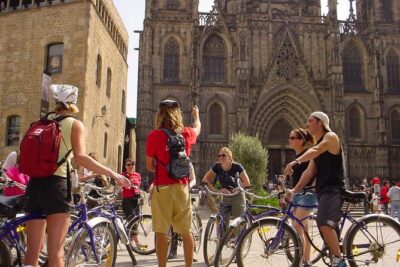
Highlights & Hidden Spots of Barcelona Bike Tour w/ Local Guide
Read our review →
Barcelona Tapas Walking Tour: Food, Wine & History
Read our review →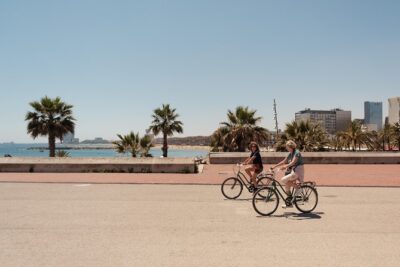
Barcelona 3-hour Bike or E-Bike Tour: Highlights and Hidden Gems
Read our review →

Barcelona Old Town Tapas Tour: Vermouth, Bites & Hidden Gems
Read our review →
Barcelona Erotic Museum – Explore Art, History & Fun
Read our review →Where else this one turns up