
Reviewed · PAELLA CLASSES
Vegan Paella and traditional plant based rice
Vegan paella in Barcelona feels like cheating. This 4 hour plant based cooking school session at In Bloom lets you make and taste Spanish favorites like vegan Valencian paella and fideuà, then finish with Catalan cream. Chef Laura Bonet runs the show, and she’s patient, fun, and very hands-on, even when your group includes people speaking English and Catalan.
I especially love that you are not just watching. You cook and taste everything you make, including multiple rice dishes and the dessert. One possible drawback to flag upfront: after the welcome drink, extra drinks are paid separately, so your final cost can creep up if you plan to sip.
In This Review
- Key things I’d circle before you book
- Price and what $95.58 actually buys you
- Where you meet in Eixample and how the timing works
- What happens in the cooking school: a hands-on flow
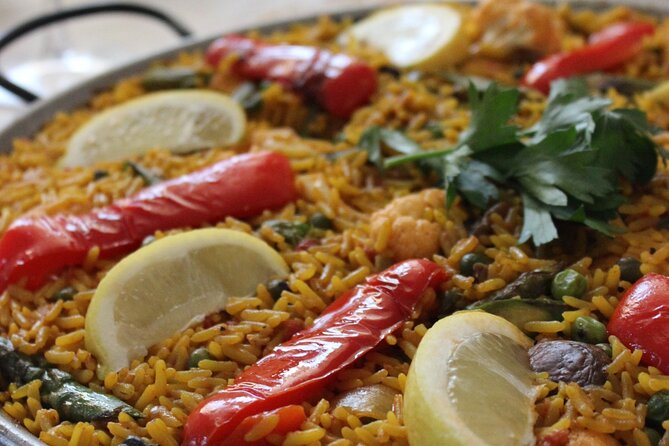
- Vegan Valencian paella: the centerpiece dish
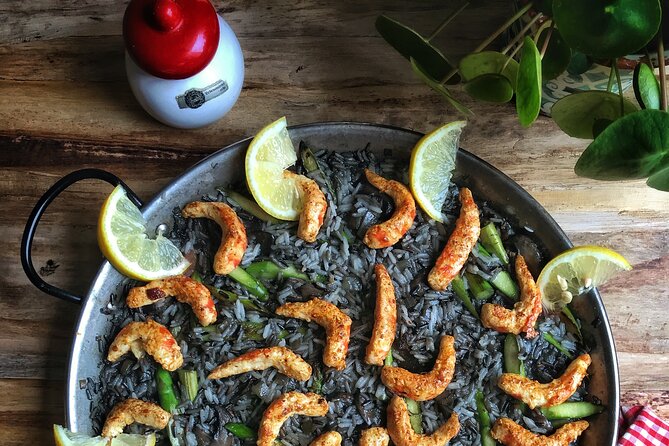
- Black sea rice with vegan prawns: comfort, seafood vibes, no seafood
- Baked rice with vegan blackberry: dessert-like fruit, dinner-like comfort
- Fideuà with vegan vegetables and squid: the rice cousin with a twist
- Catalan cream dessert: the luxury finish
- Why Chef Laura Bonet’s teaching style matters
- Group size, social vibe, and the 12 traveler cap
- Drinks, alcohol age rule, and how to avoid surprises
- Who this cooking class is best for
- Practical tips before you go
- Should you book In Bloom’s vegan paella and plant based rice class?
Key things I’d circle before you book
- You cook, you taste, you eat: the class is built around making and trying the dishes yourself.
- Chef Laura Bonet leads every step: guidance is constant so the food has a real chance of coming out right.
- Plant based takes on classics: vegan Valencian paella and fideuà use the flavors people come to Spain for, without the usual ingredients.
- A full lunch-style meal: you are not getting a tiny sample menu, you are getting a lineup meant to satisfy.
- Small group format: capped at 12 travelers, which usually means more attention than big-bus classes.
- Dessert is part of the plan: Catalan cream at the end is included with your cooking session.
Price and what $95.58 actually buys you
At $95.58 per person for about 4 hours, this is not a budget snack-and-watch activity. But it does feel like decent value because you get a full cooking-and-tasting meal experience rather than a quick demo.
You are included for: snacks, lunch (you cook and taste the dishes), and 1 drink per person to choose from. That matters in Barcelona, where food and drinks add up fast once you are out exploring. If you keep to the included drink, the price feels more like paying for an ingredient and instruction-heavy workshop.
The one cost item that can change your total is drinks after the welcome drink. If you like wine, beer, or cocktails, plan on paying extra. If you do not, this tends to stay straightforward.
Where you meet in Eixample and how the timing works
You start at In Bloom cooking school, Carrer de Vilamarí 51, in the Eixample area (08015 Barcelona). The start time is 11:00 am, and the activity ends back at the meeting point.
That location choice is practical. Eixample is easy to reach by public transportation, and you can usually slot this into a day that also includes a longer walk or a museum visit afterward. With a 11:00 am start, you also avoid the awkward early morning rush that some cooking classes create.
Plan for a total of around 4 hours including cooking, eating, and moving between dish stations. This is a true mid-day meal activity, not a short photo-op.
Learn the rice, not just eat it
- Barcelona: Paella Cooking Experience & Boqueria Market Tour
★ 4.8 · 3,661 reviews - Barcelona Paella Cooking Class with Market Visit, Tapas & Sangria
★ 5.0 · 2,531 reviews - Barcelona Interactive Spanish Cooking Experience
★ 4.5 · 2,155 reviews
What happens in the cooking school: a hands-on flow
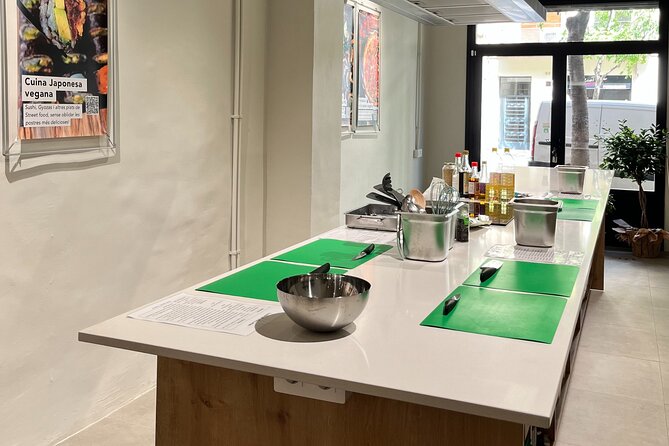
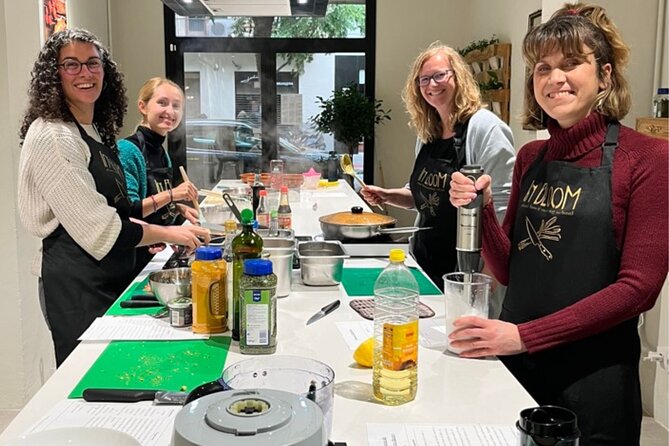
In Bloom is a real cooking school setup, not a showroom. The format is simple: the cook guides you at all times so the dishes come out perfect. That guidance is the difference between a fun class and one where you feel lost.
You will work through several plant based dishes. You cook, then taste. So you get that rare two-part payoff: the skills side and the food side. The goal is not just to say you tried paella. It is to understand how these dishes come together and how to make them with vegan ingredients.
Also note the group math. The class runs with a maximum of 12 travelers, and there is a minimum number of participants. With fewer than 4 participants, the number of recipes is reduced based on how many people attend. With 4 or more, recipes are prepared and tasted among all. In practice, that means you should expect the menu lineup to be fairly complete when the group meets the minimum.
Vegan Valencian paella: the centerpiece dish
The main event is Vegan Valencian paella. This is the dish people picture when they think Spanish rice, and it is a smart choice for a vegan class because it gives you a framework you can remember.
What I’d pay attention to as you cook it:
- How the base flavor builds before the rice goes in.
- How to manage the texture of the rice so it stays satisfying, not mushy.
- How vegan substitutions can still deliver that classic paella vibe.
You are not just eating paella here. You’re cooking a version of it, then tasting it. That hands-on loop helps the flavors “stick” in your memory, and it makes it more likely you will recreate the idea later at home.
If you already love rice dishes, you will probably find this section the most useful. It is also a great first entry point because it sets the standard for the rest of the lineup.
Black sea rice with vegan prawns: comfort, seafood vibes, no seafood
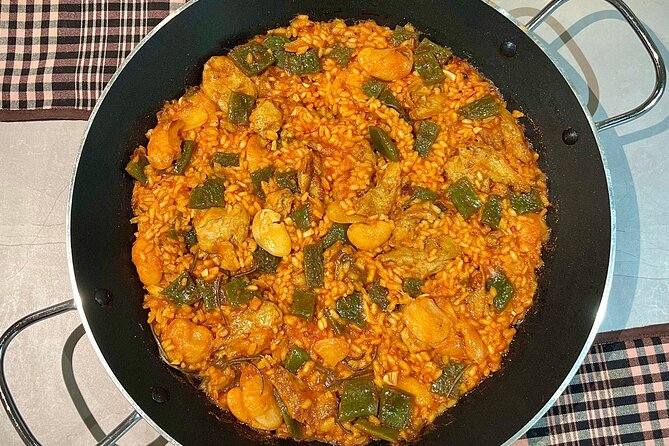
Next up is black sea rice with vegan prawns. The name alone is playful, but the real value is learning how a dish can mimic seafood-style richness without using the usual ingredients.
This is the type of plate that can be tricky in a plant based menu because “seafood flavor” is not one single thing. So your chance here is to see how the class builds that impression through seasoning, ingredients, and the way the rice absorbs everything around it.
When you taste your own portion, you will get a direct comparison between your cooking effort and the final result. That’s how you learn fastest: make, taste, adjust your instincts for next time.
Baked rice with vegan blackberry: dessert-like fruit, dinner-like comfort
Yes, this one sounds like a twist. The course includes baked rice with vegan blackberry.
I like that this dish shows you veg-friendly Spanish cooking is not limited to one flavor direction. You are not only working with savory seafood-and-saffron ideas. You’re also dealing with fruit notes that can read sweet, tangy, and aromatic, depending on how it is handled.
From a learning standpoint, this helps you think more flexibly about what “Spanish flavors” can mean in a plant based cooking class. It also makes the overall menu feel less repetitive, which is important when you are in class for hours.
Other things to see around Barcelona
- Barcelona: Tablao Flamenco Cordobes with Food/Drink Options★ 4.6 · 4,368 reviews
- Barcelona: Tapas Walking Tour with Food, Wine, and History★ 4.8 · 4,261 reviews
- Barcelona: Food Walking Tour with Tapas and Wine★ 4.9 · 2,180 reviews
- Barcelona Tapas Walking Tour: Food, Wine & History★ 4.5 · 1,928 reviews
- Barcelona Gothic Quarter Tapas & Taverns Food & Wine Tour★ 5.0 · 1,470 reviews
- Barcelona Food Tour: Tapas, Paella, Sangria & 8+ Local Tastings★ 5.0 · 1,275 reviews
Fideuà with vegan vegetables and squid: the rice cousin with a twist
The session also includes fideuà with vegan vegetables and squid, made vegan. Fideuà is close to paella, but it changes the texture because of the typical noodle-based element people associate with it.
In your class, you are getting the vegan plant based take. That matters because “seafood” dishes often rely on umami and texture. You learn how to create those impressions using vegan components and strong seasoning.
One practical thing I’d highlight: use the cook’s guidance here. This is where technique and timing can impact texture. The class is designed so the cook guides you at all times, so take advantage of that and ask questions if you’re unsure.
Catalan cream dessert: the luxury finish
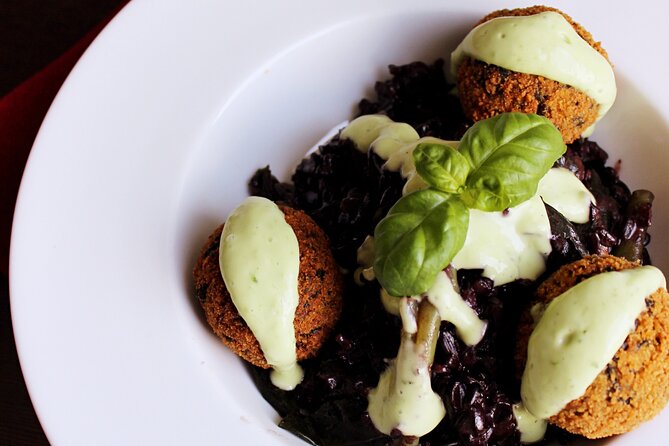
After the rice dishes, you get Catalan cream as dessert. It’s included, which is a big deal because many cooking classes stop at savory dishes or treat dessert like a small bonus.
Catalan cream is also a useful target for what to practice later. If you want to bring something home that feels more “wow” than everyday sweets, this is the type of dessert that has that comfort-luxury feel without being complicated in concept.
Plus, once you taste it at the end of your meal, you get a clear sense of balance across the full lineup. Savory rice, plus fruit and seafood-style flavors, finished off with a classic Catalan dessert. That arc makes the whole class feel like a real meal experience.
Why Chef Laura Bonet’s teaching style matters
From the experience description and the feedback, Chef Laura Bonet is the kind of teacher who keeps things fun and social while still correcting details. The point is not just that she can cook. It is that she is patient and does not leave you guessing.
In a group where people may be mixing English and Catalan, that teaching style makes the class more welcoming. You can still follow instructions and feel like you belong at the stove.
It also helps that the course is offered in English. Even if you pick up some Catalan terms along the way, you are not stuck if you only speak English.
Group size, social vibe, and the 12 traveler cap
With a maximum of 12 travelers, this is built to be manageable. You’re not competing for attention, and it’s easier to get practical feedback while you cook.
One detail I appreciate: the menu is designed so participants cook and taste the dishes they prepare. So you do not end up in the corner with nothing to do.
That said, keep in mind the minimum participant rule. If the group is smaller than expected, recipes can be reduced. That is not a deal breaker, but it can affect how many dishes you get to make.
Drinks, alcohol age rule, and how to avoid surprises
The class includes 1 drink per person to choose from. After the welcome drink, alcoholic beverages are paid separately.
There is also a minimum age for consuming alcoholic beverages, which is 18 years old. That is useful context if you are traveling with younger adults or teenagers. The important point for you is: included drink comes first, then it is separate if you want alcohol later.
If you are watching your budget, decide now what you want your included drink to be. Then you can enjoy the meal without math stress.
Who this cooking class is best for
I think this is a great fit if:
- You want a vegan cooking experience that still feels like authentic Spanish food culture.
- You enjoy hands-on learning more than watching from the sidelines.
- You like rice dishes and want practical technique for multiple styles, not one single recipe.
- You want a social, English-friendly class that still can feel connected to Barcelona’s Catalan setting.
It is also a solid choice if you are doing a shorter Barcelona trip. A 4 hour class gives you a full meal and a meaningful activity, without eating up an entire day.
If you are the type who hates kitchens and hates cooking, this might feel like too much. But if you enjoy working with ingredients, you’ll likely find it satisfying.
Practical tips before you go
Here are a few things that help you get more value out of the day, based on how these classes typically run and what this one includes:
- Wear comfortable clothes. You will be cooking, and food days get messy.
- Come hungry. The lunch format means you should plan to eat your own dishes, not just sample.
- Be ready for a practical pace. Multiple dishes in 4 hours requires focus.
- If you are strictly vegan, treat it as a plus. The menu is built as plant based, including vegan prawns, vegan blackberry, and vegan squid.
If you are traveling with dietary restrictions beyond vegan, it’s worth checking with the school before arrival since ingredients can vary by kitchen and supplier. The class is designed around plant based dishes, so vegan is clearly supported.
Should you book In Bloom’s vegan paella and plant based rice class?
I’d book it if you want a real Barcelona food memory you can eat and recreate later. The combination of hands-on cooking, multiple rice-based dishes, and a classic Catalan cream finish makes it feel like a complete experience, not a quick demo.
Skip it only if you dislike cooking or if you are trying to keep costs ultra-tight due to extra drink spending. Also consider that with small groups below the minimum, you might get fewer recipes.
If you like plant based versions of Spanish favorites and you want instruction that helps you get results, this is a strong pick for a 11:00 am meal-focused activity in Eixample.
The latest to open for booking

Paella Classes, side by side.
Paella Cooking Experience & Boqueria Market Tour
Read our review →
Barcelona Paella Cooking Class with Market Visit, Tapas & Sangria
Read our review →
Barcelona Interactive Spanish Cooking Experience
Read our review →
Barcelona Food Tour: Tapas, Paella, Sangria & 8+ Local Tastings
Read our review →
Girona & Costa Brava Small Group Tour From Barcelona with Paella!
Read our review →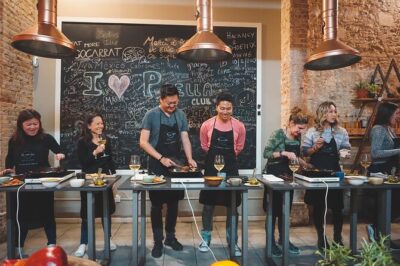
Paella Experience and Bottomless Wine in Barcelona
Read our review →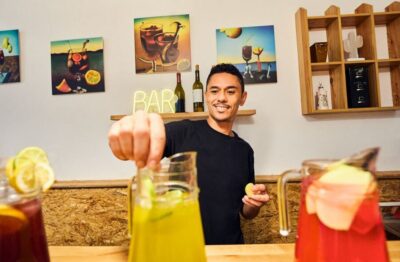
Paella Cooking Class with Market Visit and More
Read our review →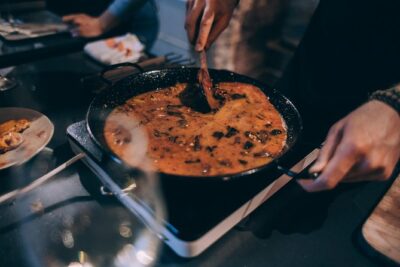
Paella Cooking Class with Professional Chef: Four Course Dinner
Read our review →Where else this one turns up