
Reviewed · GOTHIC QUARTER WALKS
Barcelona: Gothic Quarter’s Deepest Secrets Tour and Sangria
Gothic legends end with sangria. What makes this tour special is the small-group walking pace and the Spanish Civil War stories woven into Barcelona’s oldest streets, starting near Plaza Cataluña. One consideration, though: you’ll pass the Barcelona Cathedral area, but cathedral entry is not included.
I especially liked how guides such as Valentina and Juliana bring the neighborhood to life with chatty, human storytelling. The finish is built for real downtime, with complimentary sangria and a few insider tips on where to go next in Barcelona.
In This Review
- Key reasons this tour works so well
- Start at Cafe Zurich, then slip into the Gothic Quarter
- Plaza Catalonia to Las Ramblas and Canaletes Fountain
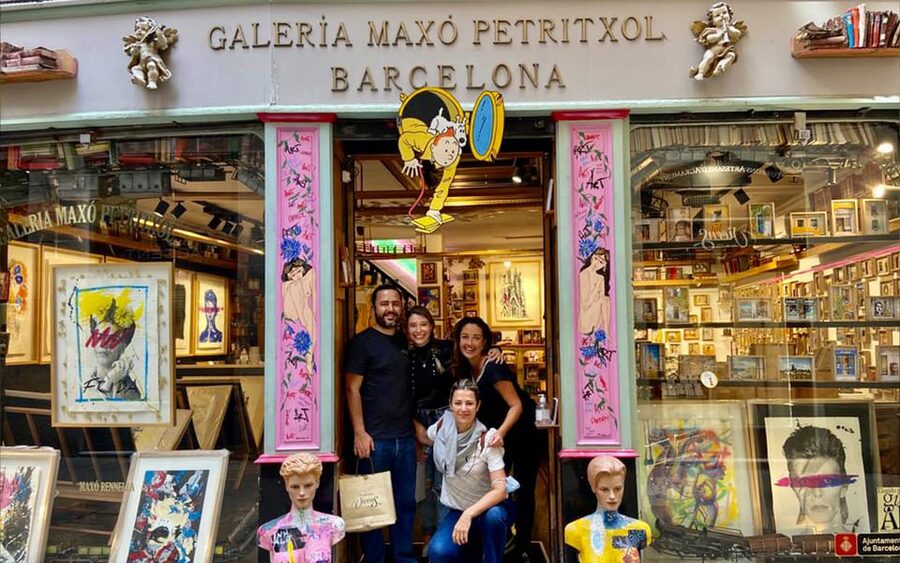
- Roman Cemetery and Petrixol Street: where the past keeps showing up
- Plaza Nova and the Cathedral area: religion, power, and architecture
- Archive of the Crown of Aragon and Augustus Temple: the politics behind the stones
- Government Square and Bishop’s Bridge: small spaces with big meaning
- Plaça Sant Felip Neri, Ferran Street, and School of Arts
- George Orwell Square and the path toward Barceloneta
- Complimentary sangria at Pasa Tapas Barceloneta: where the tour softens
- Price and value: is $64 fair for a 2-hour Gothic Quarter tour?
- Who should book this Gothic Quarter and sangria experience?
- Should you book this tour or choose another plan?
- FAQ
- Where do I meet the guide?
- How long is the tour?
- What’s included, and what’s not?
- What language is the tour offered in?
- Is cathedral entry included?
- Is the tour wheelchair accessible?
Key reasons this tour works so well
- Small-group format helps you actually hear the details and ask questions while you walk
- Spanish Civil War and local political stories give the Gothic Quarter more than postcard value
- A smart route that links Plaza Cataluña to the medieval maze, then down toward Barceloneta
- Sangria at the end turns the walking portion into something you look forward to
- Insider recommendations during your drink help you plan the next day of sightseeing
- Bilingual guides (English and Spanish) make the stories easier to follow
Start at Cafe Zurich, then slip into the Gothic Quarter
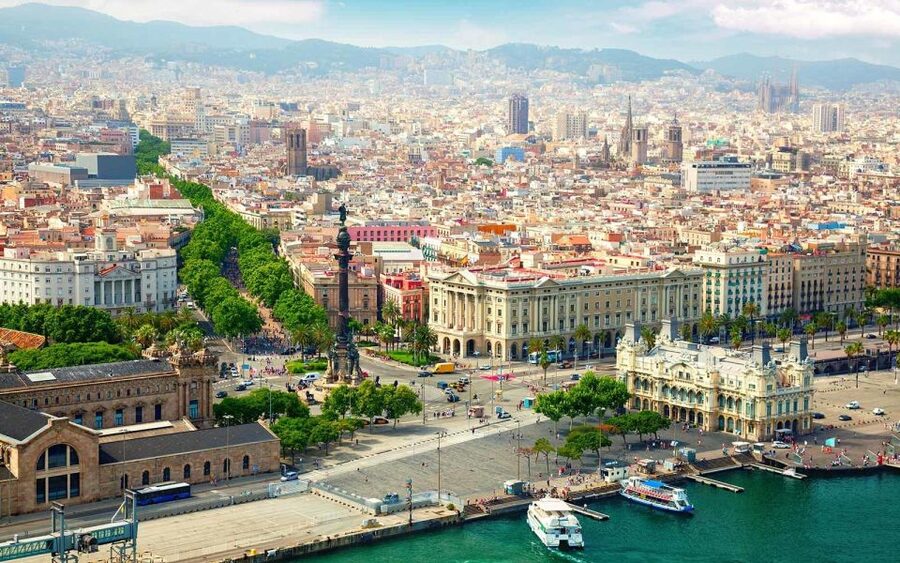
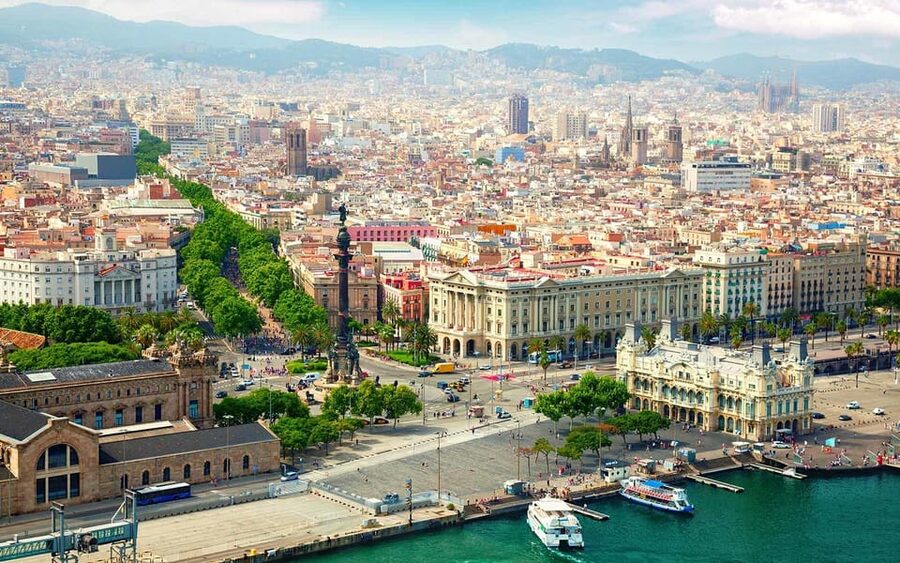
Your tour begins outside Cafe Zurich in Plaza Cataluña, right by the metro station. Look for the guide standing in front of it, wearing a purple name tag. From that busy, modern plaza, the shift is quick and satisfying: you go from broad city avenues to the narrow, medieval-feeling streets of the Gothic Quarter.
That change matters. In Barcelona, it’s easy to rush between major sights and miss how the city is layered, old buildings sitting alongside newer life. This walk is designed to get you oriented fast, so later, when you wander on your own, you feel like you know where you are.
Plaza Catalonia to Las Ramblas and Canaletes Fountain
After the meet point, you’ll move through the city’s central area, with stops along the way including Plaza Catalonia and Las Ramblas. Expect a lively introduction: even if you’ve seen Las Ramblas on photos, walking a section with local context is a different experience.
Then you reach Canaletas Fountain, one of those small places that becomes big once you understand what to look for. This is a good moment for the tour to reset your attention, because it’s a bridge between the open, public face of the city and the tighter history-heavy streets coming next.
Practical tip: the first part of the walk is when you’ll want to check your energy level. Wear shoes you can keep on for a while, because Barcelona’s streets often force you to slow down, look up, and step around uneven paving.
Get lost in the medieval lanes
- Barcelona all included: Sagrada, Park Güell, Montjuic & Gothic
★ 5.0 · 2,169 reviews - Barcelona Gothic Quarter Tapas & Taverns Food & Wine Tour
★ 5.0 · 1,470 reviews - Barcelona: Old Town and Gothic Quarter Walking Tour
★ 4.8 · 1,393 reviews
Roman Cemetery and Petrixol Street: where the past keeps showing up
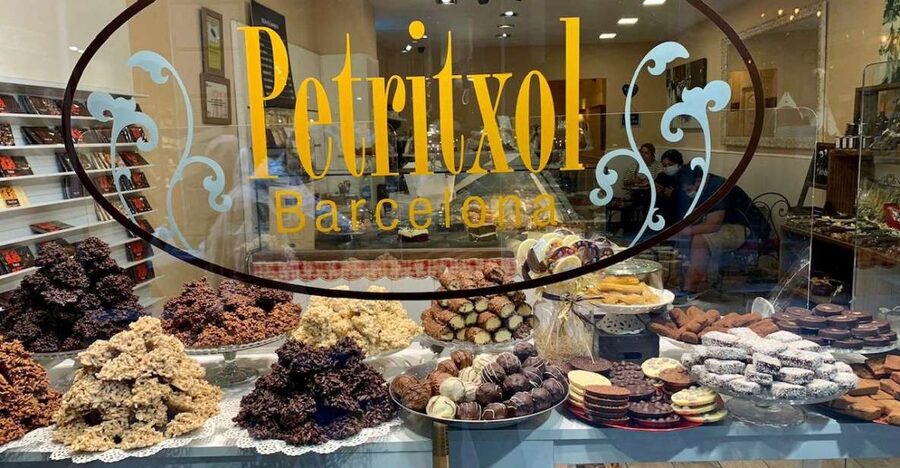
From the more famous corridors, the route heads into the medieval maze. You’ll pass by the Roman Cemetery and then go to Petrixol Street, a street that feels like it’s been intentionally kept for strolling. It’s the kind of lane where you can glance at details and realize you’re not just walking through a theme park.
What I like here is the way the tour connects eras. Roman traces, then medieval streets, then later political and religious history. You start to see Barcelona as a city that layers time rather than replaces it.
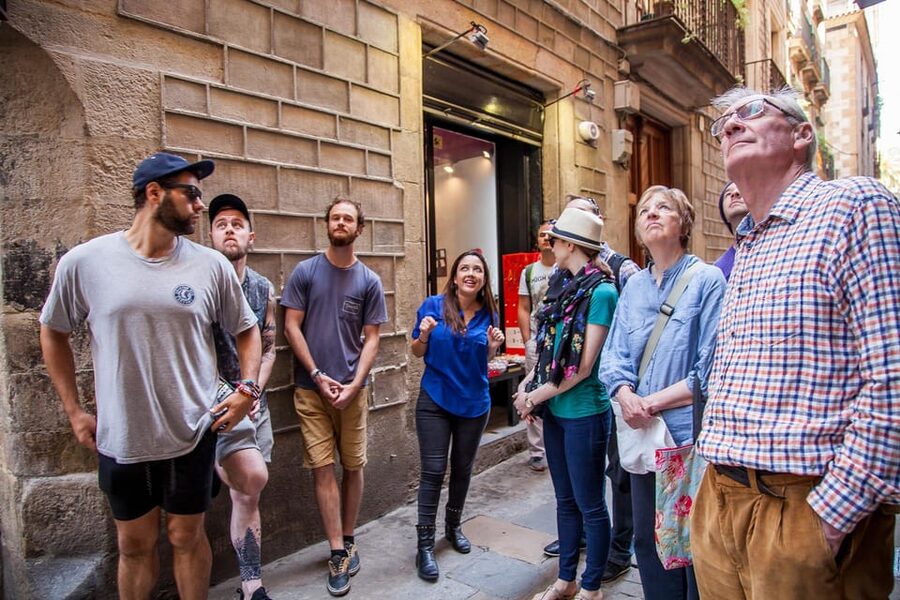
At Petrixol, your guide’s role becomes essential. With the right storytelling, you start noticing the small visual cues you would otherwise ignore, like changes in building style and the way streets bend for a reason you can’t always see at first glance.
Plaza Nova and the Cathedral area: religion, power, and architecture
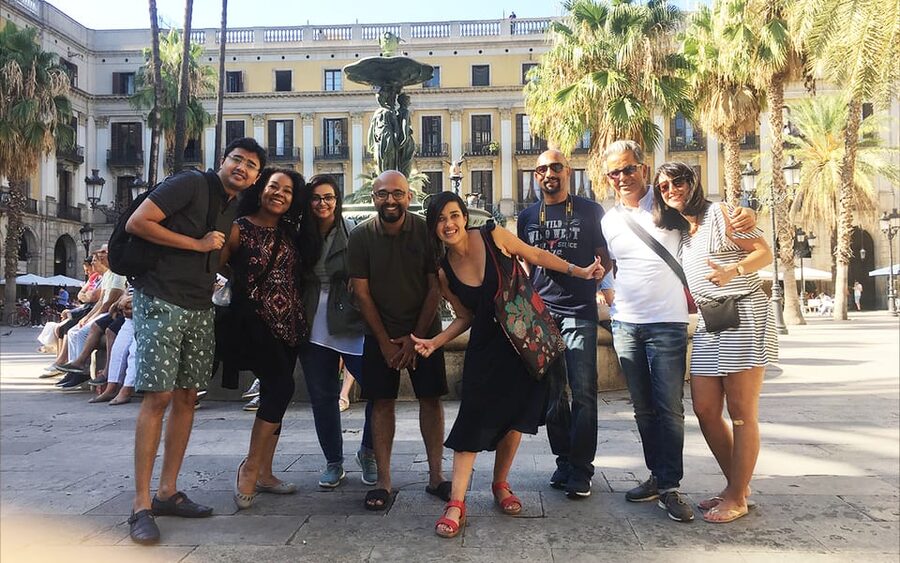
Plaza Nova is a natural pause point. It’s a small square that gives your eyes a break from the tight alleys. From there, the tour goes to Barcelona’s cathedral area.
Important reality check: you’ll see it as part of the walk, but entry to the cathedral is not included. That means you should not plan on going inside during the tour time window. If the interior is a must for you, plan a separate visit later. The payoff is that you’ll still get the historical and cultural context that makes the building feel more meaningful.
This stop is also where the tour’s themes get sharper: religion, civic identity, and power in a city that historically treated both as public matters. The guide’s stories about local traditions and political intrigue make the cathedral area feel like more than a landmark you point at.
Archive of the Crown of Aragon and Augustus Temple: the politics behind the stones
The walk continues toward the Archive of the Crown of Aragon and the Augustus Temple. Even if you’re not the type to memorize names of monuments, this is where the tour becomes a real value add.
Why? Because these aren’t just “pretty stops.” They’re touchpoints for explaining why Barcelona mattered. The Crown of Aragon is part of the long story of regional authority and governance. Nearby ancient architecture helps you understand how ideas of public space, religion, and power overlapped in different centuries.
You’ll also learn how the city’s political life shaped local experience. That thread becomes especially interesting later when the guide brings up stories tied to the Spanish Civil War and the shifting politics around Catalonia.
Government Square and Bishop’s Bridge: small spaces with big meaning
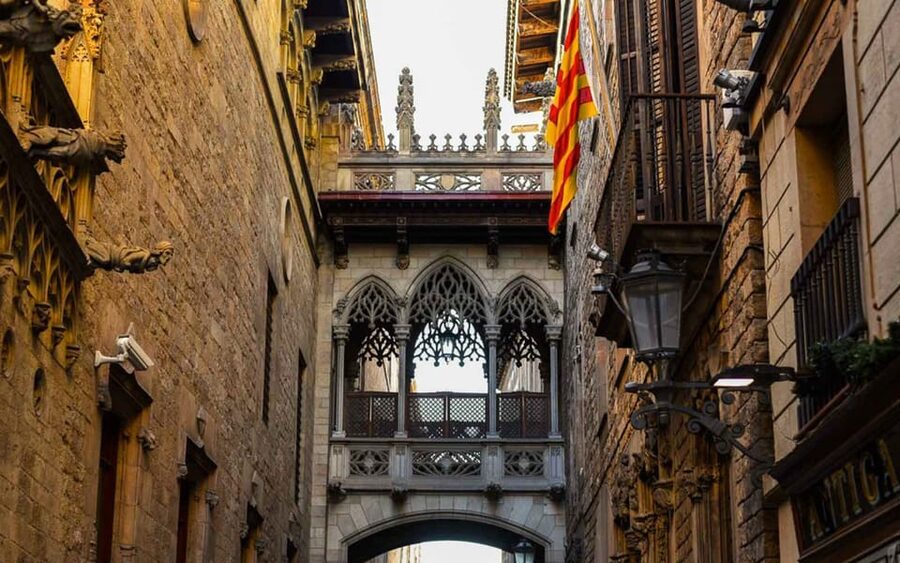
As you keep moving, you reach Government Square and then Bishop’s Bridge. These locations work well on foot because they feel close enough that your brain can connect what you’re hearing with what you’re seeing.
Government Square is a cue that Barcelona’s history wasn’t only artistic. It was administrative, strategic, and sometimes tense. The tour frames that tension in approachable terms, so even if you do not consider yourself “a history person,” you can follow the story without feeling lost.
Bishop’s Bridge, meanwhile, is exactly the kind of spot where a guide can turn a short crossing into a memorable moment. Instead of just looking at a passageway, you understand why it ended up there and what it would have meant to people at the time.
Other things to see around Barcelona
- Barcelona: Tapas Walking Tour with Food, Wine, and History★ 4.8 · 4,261 reviews
- Highlights & Hidden Spots of Barcelona Bike Tour w/ Local Guide★ 4.5 · 3,009 reviews
- Barcelona Tapas Walking Tour: Food, Wine & History★ 4.5 · 1,928 reviews
- Barcelona 3-hour Bike or E-Bike Tour: Highlights and Hidden Gems★ 5.0 · 1,429 reviews
- Barcelona: 2.5-Hour Bike or E-Bike Historical Tour★ 4.5 · 1,262 reviews
- Barcelona Old Town Tapas Tour: Vermouth, Bites & Hidden Gems★ 5.0 · 627 reviews
Plaça Sant Felip Neri, Ferran Street, and School of Arts
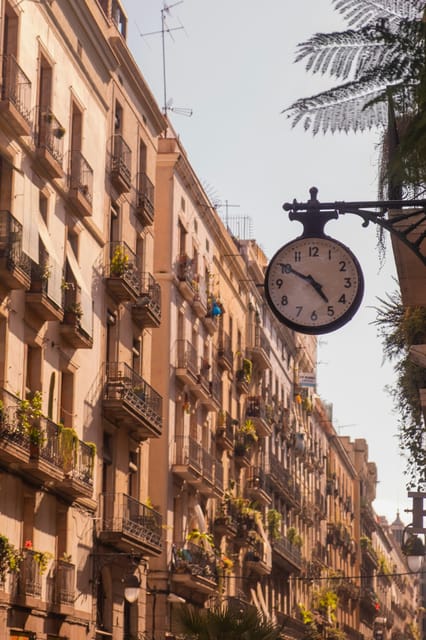
Next up are a run of places that feel tied together by atmosphere and daily life. You’ll see Plaça Sant Felip Neri and Ferran Street, then the School of arts stop. This is the part of the tour that helps you feel the Gothic Quarter as a living neighborhood, not only a set of historic backdrops.
Plaça Sant Felip Neri brings a quieter mood compared with the more public squares. Ferran Street is busier and more grounded in everyday Barcelona energy. The School of arts stop adds another layer: creativity as a cultural driver, not something separate from politics and tradition.
This section is also where you’ll start realizing what the tour is doing overall. It’s not “one monument, one fact.” It’s building a map in your head: how culture, religion, governance, and daily streets connect.
George Orwell Square and the path toward Barceloneta
You’ll finish the Gothic Quarter stretch with George Orwell Square and then head toward Barceloneta and the port area. Even if you’ve heard the name Orwell before, the value here is in how the guide uses the location to link literature, political life, and place.
Then the tour shifts from dense old streets to the coastal pull. Barceloneta and the port area offer that emotional reset you want after a couple of hours of tight lanes and big stories. This is where you start looking at the sea and thinking about what you might do next, not only what you’ve already seen.
Practical tip: bring a light layer if you run into wind near the water. The weather can change quickly as you approach the port.
Complimentary sangria at Pasa Tapas Barceloneta: where the tour softens
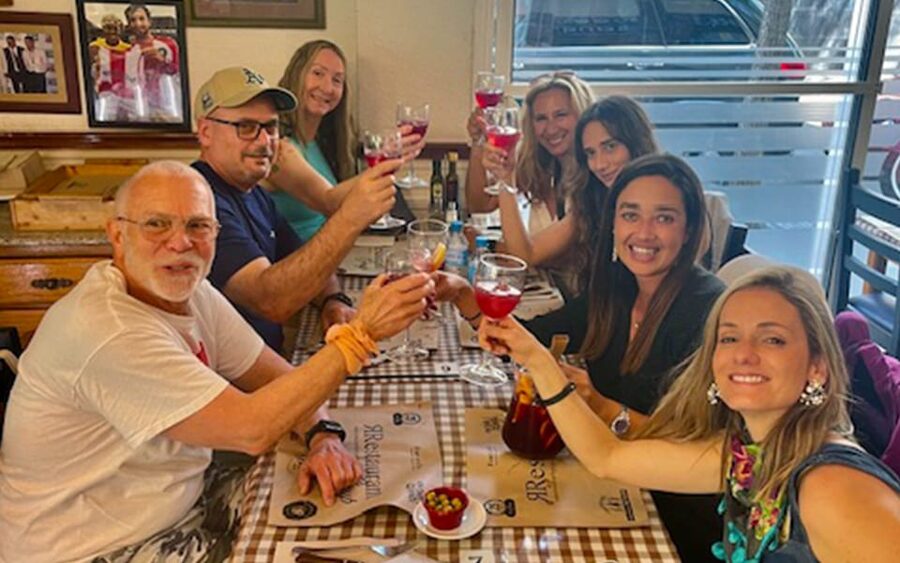
The tour ends at Restaurant Pasa Tapas Barceloneta. This is where the “deepest secrets” idea turns into something more relaxed: you sit down with complimentary sangria and share the guide’s next-step recommendations.
Two things make this ending work. First, it gives you time to digest everything you’ve heard while walking. Second, the guide uses your interests, not just a generic list, to suggest what to do next in Barcelona. That’s the kind of practical help that can save you hours of indecision later.
Also, from the experience feedback, the sangria portion is a standout. Guides like Valentina and Juliana are credited with making the whole walk feel fun and friendly, and the drink is part of that finish line.
One consideration: the tour includes sangria, so if you avoid alcohol, you may want to plan how you’ll handle that stop.
Price and value: is $64 fair for a 2-hour Gothic Quarter tour?
At $64 per person for a small-group walking tour, you’re paying for three things: time with a bilingual guide, a route that connects multiple historical themes, and a complimentary drink to close.
If you compare this to buying a couple of separate tickets or paying for a one-dimensional sightseeing walk, the value is clearer. The tour’s selling point is not just the sights. It’s the way the stories connect them, especially around Catalonian culture and the Spanish Civil War, plus the political intrigue thread that helps you understand why places look the way they do.
You also get a practical bonus: the guide’s recommendations on where to eat and what to see after the tour. That matters, because the best time in Barcelona is often the two days after you arrive, when you’re deciding where to go without any structure.
Bottom line: I think $64 feels reasonable if you like guided context and you want a clear plan for your first half-day in the city.
Who should book this Gothic Quarter and sangria experience?
This tour is a strong fit if you want:
- A first-time Barcelona overview with Catalonia-specific context
- Stories that go beyond art and architecture into local politics and the Spanish Civil War
- A route that helps you orient yourself, so later wandering feels easier
- A fun guide energy level, not a stiff lecture
- A guaranteed break at the end with complimentary sangria
It may not be ideal if you’re only interested in museum-style interior visits, because cathedral entry is not included. And if you dislike drinking alcohol, you may want to think carefully about whether you’re okay with the sangria stop being part of the plan.
Should you book this tour or choose another plan?
Book it if you want a guided walk that makes the Gothic Quarter feel understandable, not just old. You’ll see a tight set of stops that connect the city’s medieval streets to its power structures, then end with a relaxing sangria break in Barceloneta.
Consider skipping it or pairing it with extra time if cathedral interior access is a top priority for you. Since entry is not included, you’ll likely want to build in your own time to see inside later.
If your goal is to get your bearings fast, learn what shaped Catalonia culturally and politically, and finish with a well-liked sangria, this is a solid choice.
FAQ
Where do I meet the guide?
Meet outside Cafe Zurich in Plaza Cataluña, standing in front of the metro station. The guide will be wearing a purple name tag.
How long is the tour?
The tour duration is listed as 2 hours. The guided walking portion is also noted as 2.5 hours.
What’s included, and what’s not?
Included: a bilingual guide (English and Spanish) and complimentary sangria. Not included: entry to the cathedral, plus food after the tour.
What language is the tour offered in?
The tour is offered in English and Spanish.
Is cathedral entry included?
No. You can see the cathedral area as part of the walk, but entry tickets are not included.
Is the tour wheelchair accessible?
Yes, the tour is listed as wheelchair accessible.
The latest to open for booking



Gothic Quarter Walks, side by side.
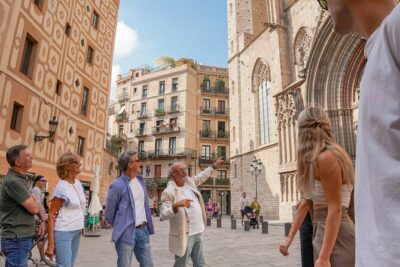
Barcelona all included: Sagrada, Park Güell, Montjuic & Gothic
Read our review →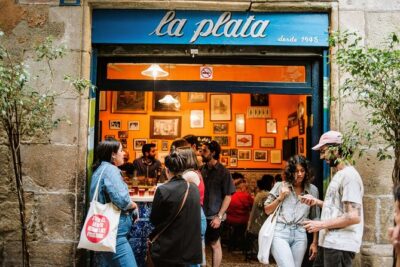
Barcelona Gothic Quarter Tapas & Taverns Food & Wine Tour
Read our review →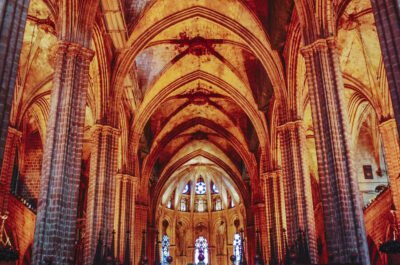
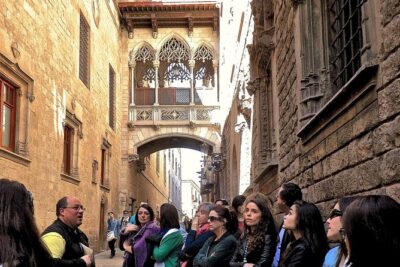
Barcelona Old Town & Gothic Quarter Small Group Tour
Read our review →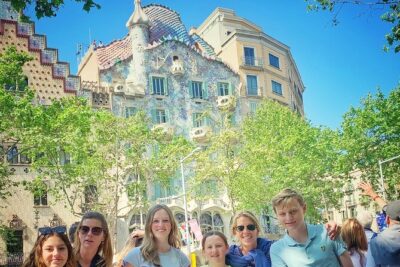
Ramblas, Old Town, Gothic and Gaudi Architecture Walking Tour
Read our review →
El Born and Gothic Quarter Wine & Tapas Bar Tour
Read our review →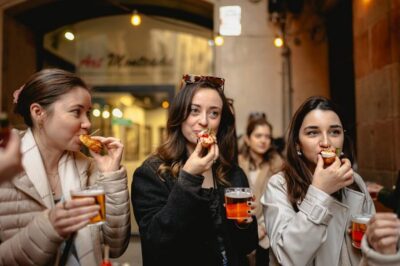
El Born Food Walking Tour with Tapas and Drinks
Read our review →
Kids and Family Gothic Quarter Walking Tour in Barcelona
Read our review →Where else this one turns up