
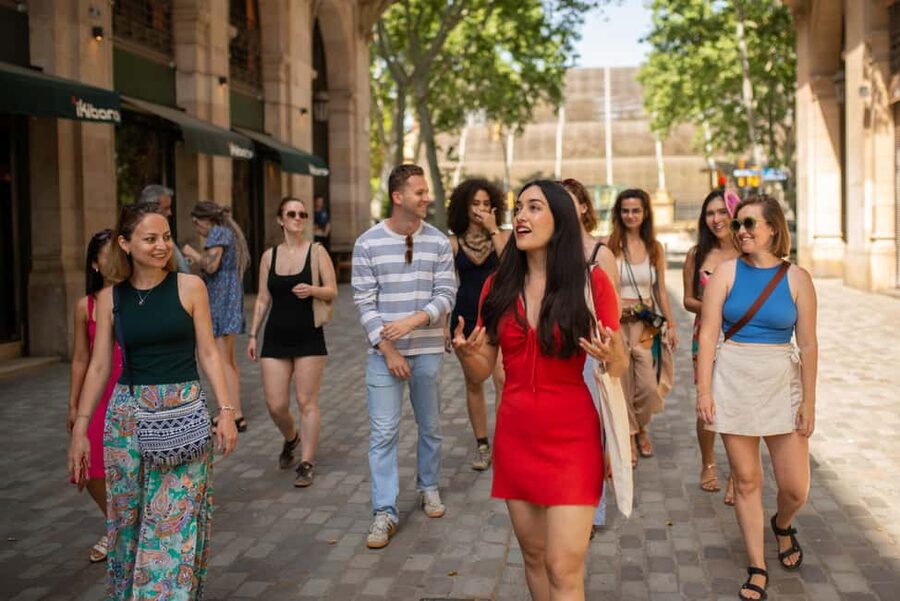
Reviewed · GOTHIC QUARTER WALKS
Barcelona Walk Like a Local: El Born & Gothic 15+ Sights
Barcelona turns into a storybook here. I like how the walk threads El Born into the Gothic Quarter, then layers in 15+ lesser-known stops and Roman-era clues. I also like the way the guide turns big landmarks into human stories you can picture, not just facts. The one drawback to plan for is the walking, plus it runs rain or shine, so bring good shoes.
You start at Passeig de Picasso, 13, at a big glass cube marked Side Routes, and the whole route is designed to help you get your bearings fast. Expect a live English guide, short guided looks at key sites, and practical local tips meant to help you dodge crowds and tourist traps.
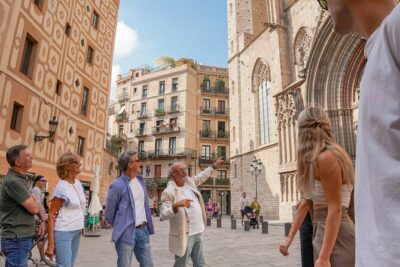
This works for couples, friends, solo travelers, and families who want a smarter first pass through the Old City. Many guides, including Petra and Santiago, are repeatedly praised for clear communication, friendly energy, and making the group feel comfortable, even when questions pop up.
In This Review
- Key reasons this walk is worth your time
- El Born meets the Gothic Quarter, and it changes the whole vibe
- Starting at Passeig de Picasso, finding Side Routes fast
- El Born segment: quick hits that set the tone
- Old City Barcelona viewing time: where you learn street logic
- Stopping for Santa Maria del Mar: why the building feels personal
- Gothic Quarter highlights: Barcelona Cathedral, the Bridge of Sighs, and stone drama
- La Casa de l’Ardiaca and Plaça Sant Felip Neri: the quieter checkpoints
- Els Quatre Gats: art history in a human-size stop
- The guides: energetic, friendly, and ready for questions
- Price and value: what $17 buys you in the real world
- Logistics that matter: shoes, camera, and walking pace
- Who this tour is best for
- Should you book this Barcelona walk?
- FAQ
- How long is the walk?
- How much does it cost?
- Where do we meet?
- What language is the tour guide?
- Where does the tour end?
- What sights are included?
- Does the tour run in bad weather?
- What should I bring?
- Is food or drinks included?
- Can I cancel or pay later?
Key reasons this walk is worth your time
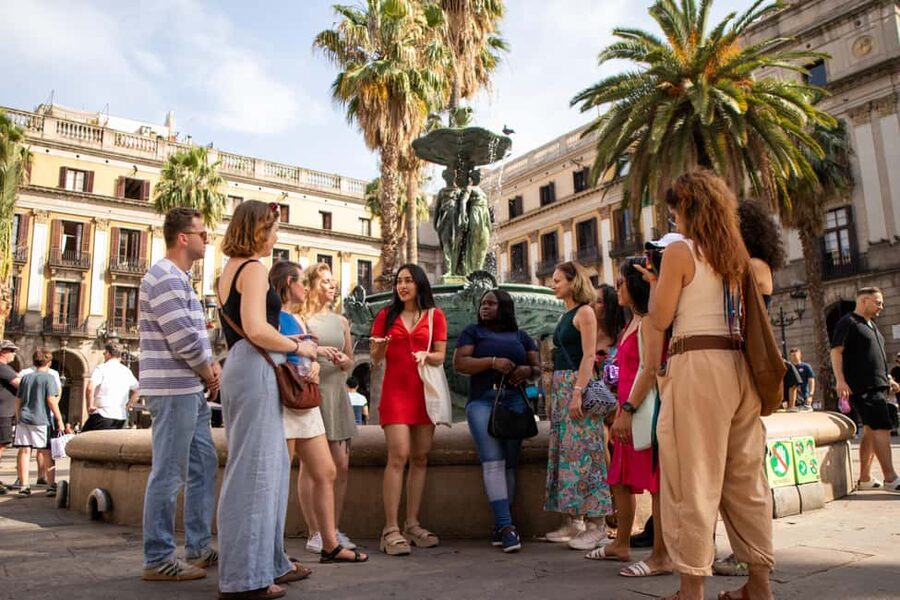
15+ side streets, not just headlines. You get a mix of iconic anchors and small, locally flavored stops that most people miss on their own.
Roman and medieval links you can actually see. The guide connects long timelines to real streets, buildings, and layouts.
Santa Maria del Mar, the Cathedral of the People. You see why this church feels grounded in everyday Barcelona rather than royal spectacle.
Picasso connections in the right places. You pass key points tied to Picasso, plus artist-world context around the Old City.
Dark legends and quirky local stories. Expect tales like the cursed Bridge of Sighs woven into what you’re looking at.
Photo moments built into the route. There’s time to grab iconic sights, including the World Comes to Life With Each Kiss mural.
El Born meets the Gothic Quarter, and it changes the whole vibe
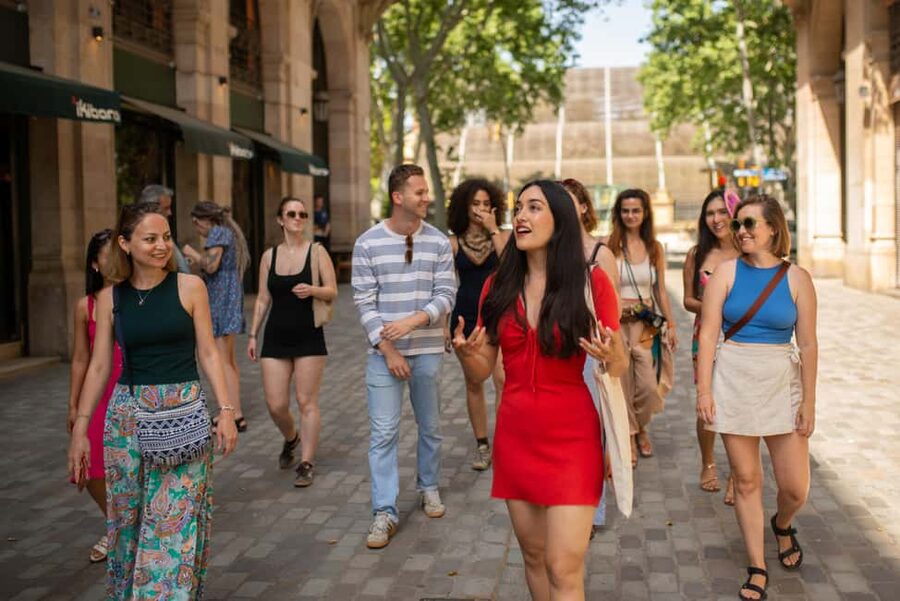
If Barcelona is a playlist, this walk is the part where the songs switch from modern beats to deep, medieval grooves. El Born feels creative and human, full of craft and artistic energy, while the Gothic Quarter reads like stone poetry, all angles, arches, and narrow turns.
What I like is that the tour does not treat these as two separate theme parks. Instead, you move between neighborhoods so you feel the city’s layers, not just a list of monuments. That connection matters because Barcelona’s center is all about contrasts: markets next to old walls, art references beside ancient stonework.
The route also makes it easy to understand why people fall for this area. Once you see the street patterns and how landmarks line up, you stop feeling lost. You start feeling oriented, like the city is working with you.
Starting at Passeig de Picasso, finding Side Routes fast
Your meeting point is Passeig de Picasso, 13. Look for the big glass cube monument and find the guide next to it with a sign that says Side Routes. This detail sounds small, but it saves time and stress, especially in a busy central area.
Timing is built around a 2 to 2.5 hour walk, so you do not want to be late. If you’re arriving on foot from a nearby hotel, I’d rather you give yourself extra buffer, then settle into the walk instead of sprinting at the start.
Also, do not ignore the weather cue. The tour runs rain or shine, which means your photos and comfort depend on what you wear, not on luck. Plan layers for cool mornings and keep your hands free, so you can follow directions through tight lanes.
Get lost in the medieval lanes
- Barcelona all included: Sagrada, Park Güell, Montjuic & Gothic
★ 5.0 · 2,169 reviews - Barcelona Gothic Quarter Tapas & Taverns Food & Wine Tour
★ 5.0 · 1,470 reviews - Barcelona: Old Town and Gothic Quarter Walking Tour
★ 4.8 · 1,393 reviews
El Born segment: quick hits that set the tone

The tour begins with a guided introduction in El Born for about 30 minutes. This is where you start learning the neighborhood’s “language,” meaning the vibe of the streets, the rhythm of squares, and how people move through this part of town.
You’ll also make a stop at Casa Gispert for around 10 minutes. This type of stop is the kind that changes how you travel later, because it teaches you to look at local businesses and not just famous architecture. Even if you do not buy anything, you’ll notice why these storefronts matter to the neighborhood identity.
Then comes the Picasso Museum stop, about 10 minutes. You’re not just passing by the brand name. The guide typically uses these points to explain how Picasso’s era and the surrounding artistic scene shaped what people associate with Barcelona today.
If you like art history but hate lectures, this is a good compromise. It keeps the story moving while you’re still standing in the exact place that inspired it.
Old City Barcelona viewing time: where you learn street logic
Next you get about 45 minutes of sightseeing through Old City Barcelona. This is a smart chunk because it lets the guide connect earlier stories to what you’ll see next, without rushing you.
This part is also where you often spot the contrast that makes Barcelona feel different from other European capitals. You might see Roman-era influence referenced in how the city developed, then shift into medieval forms that still define the street grid. When the guide ties eras together, it stops being abstract.
Practical tip: this is a great time to ask questions if something feels confusing. The group is still together, and the guide can point out what to notice, like where a doorway shape or building layout hints at earlier use.
Stopping for Santa Maria del Mar: why the building feels personal
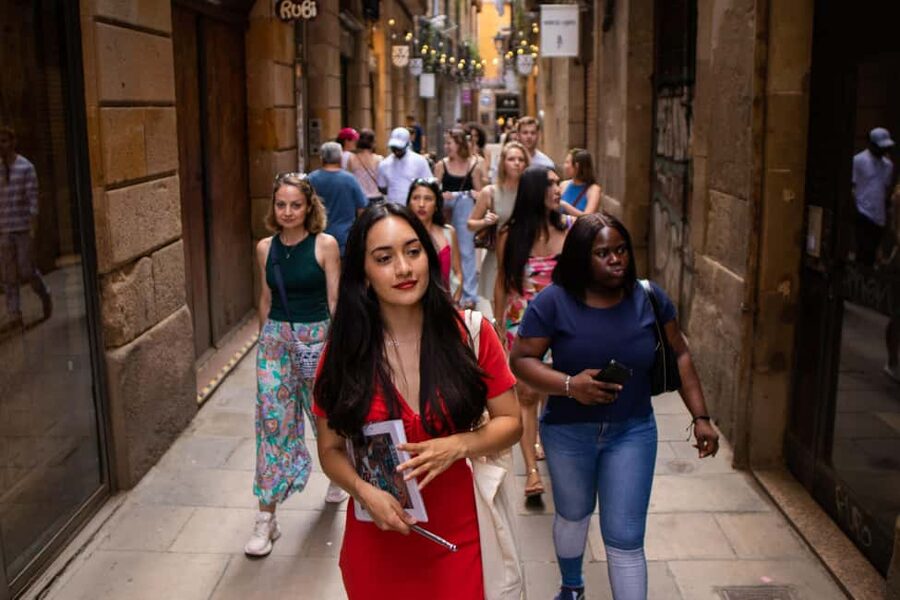
Santa Maria del Mar is included with a guided look of about 15 minutes, and it’s a centerpiece for a reason. It’s often called the Cathedral of the People, and the name fits because it feels less like a palace and more like a community statement.
Here’s what I think makes this stop valuable: the guide’s stories can help you see the difference between a church as a monument and a church as a record of daily life. Even in a short visit, you can pick up how the congregation and the city’s power structures shaped what got built.
Drawback to consider: if you’re hoping for a long, slow sit-down interior visit, this is not that kind of tour. You’ll get a guided look, then you move on. It’s perfect if you want momentum, less perfect if you prefer deep interior time.
Gothic Quarter highlights: Barcelona Cathedral, the Bridge of Sighs, and stone drama
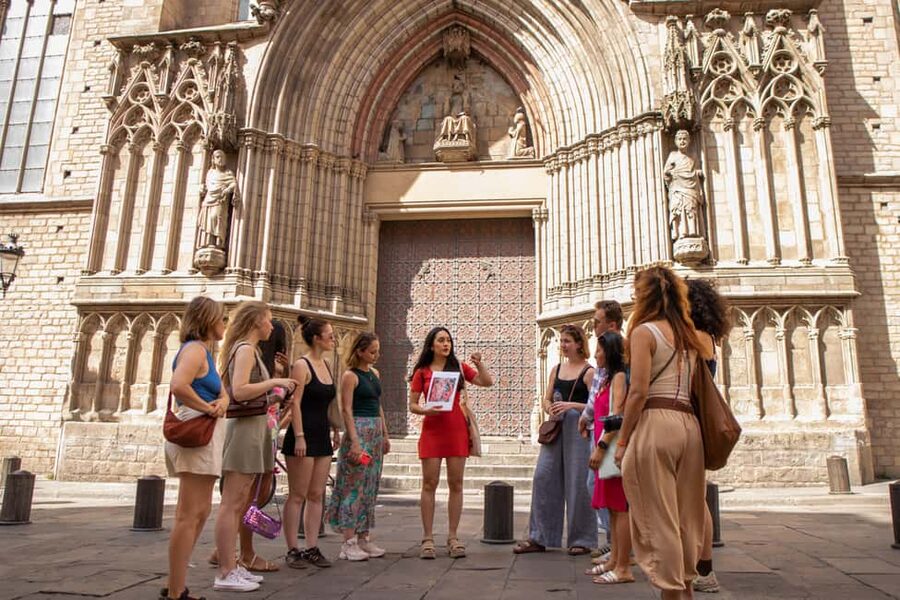
Once you reach the Gothic Quarter segment, the mood sharpens. You get about 30 minutes of guided walking here, then more focused looks at specific sites.
Barcelona Cathedral is on the list with a guided segment of about 15 minutes. Expect the guide to frame what you’re seeing in terms of style and era, and to point out details you’d otherwise miss while glancing up at grand facades.
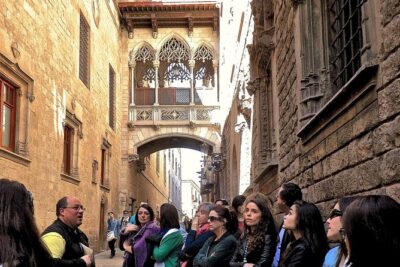
Then comes Bishop’s Bridge for about 10 minutes. This is where legend plays nicely with geography. You’ll hear dark tales and quirky local stories tied to the route, including the chilling Bridge of Sighs story mentioned as a highlight. That mix is what turns the area from pretty to memorable.
A helpful way to think about these stops is this: the cathedral and bridges explain the city’s power and movement, but the stories explain the city’s fears and fantasies. Together, they make the Gothic Quarter feel lived in.
Other things to see around Barcelona
- Barcelona Tapas and Wine Experience Small-Group Walking Tour★ 5.0 · 5,804 reviews
- Barcelona: Tapas Walking Tour with Food, Wine, and History★ 4.8 · 4,261 reviews
- Barcelona: Food Walking Tour with Tapas and Wine★ 4.9 · 2,180 reviews
- Barcelona Tapas Walking Tour: Food, Wine & History★ 4.5 · 1,928 reviews
- Barcelona Helicopter, Sailboat & Old Town Private Walking Tour★ 5.0 · 1,395 reviews
- Barcelona: City Walking Tour with a Local Guide★ 4.9 · 1,384 reviews
La Casa de l’Ardiaca and Plaça Sant Felip Neri: the quieter checkpoints
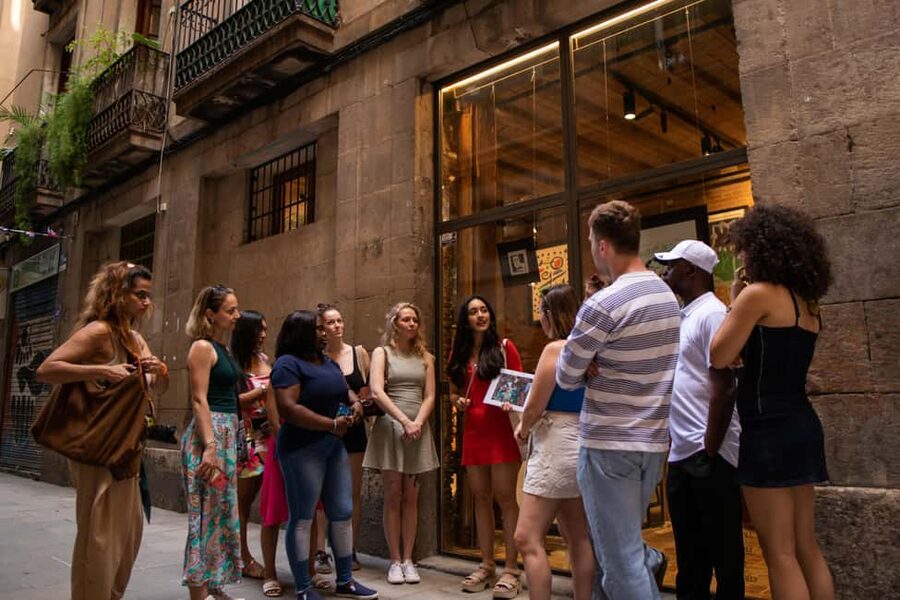
La Casa de l’Ardiaca is included for about 10 minutes, and Plaça Sant Felip Neri is also about 10 minutes. These are the kinds of stops that make you feel like you’re walking with someone who actually knows Barcelona, not someone reading off a postcard.
In a short tour format, these pauses matter because they give your brain a break from big monuments. You can register texture, street scale, and small architectural details that are hard to notice when you’re rushing.
They also help you understand the city’s social layout. Squares are where people gather, where announcements travel, where the neighborhood breathes. A bridge or cathedral shows the headline, but these smaller spaces show the daily life behind the headline.
If you’re someone who gets overwhelmed by constant sightseeing, these checkpoint stops are a real plus.
Els Quatre Gats: art history in a human-size stop
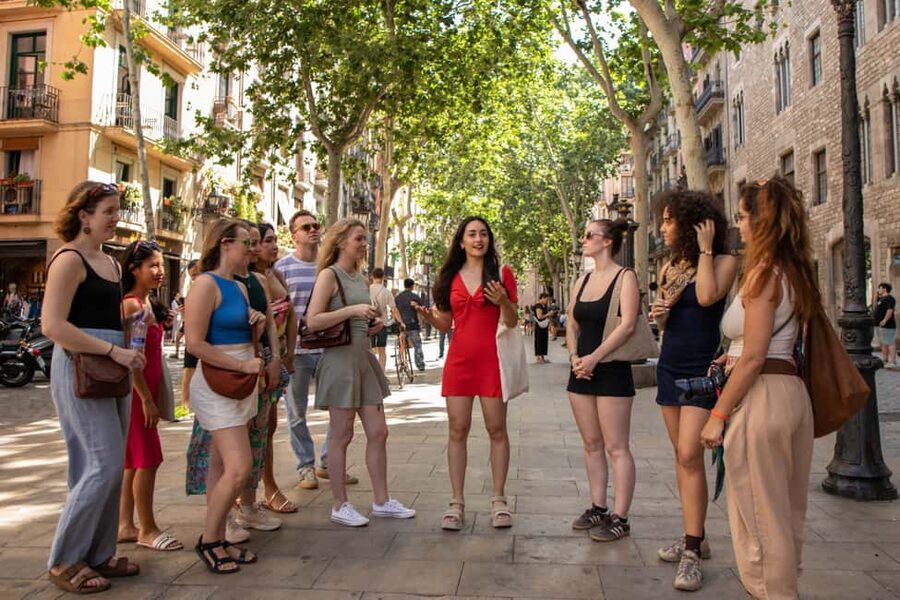
Els Quatre Gats is included as a sightseeing segment of about 15 minutes, and it also doubles as the end point. This is a fitting finish because it’s a place associated with Barcelona’s artistic past and with the “creative hangout” energy that still echoes in El Born.
What I like about ending here is that it’s not a random corner. It’s a natural spot to reset after a couple hours of walking. You can grab a drink or a snack afterward (meals and drinks are not included on the tour, so plan for that separately), and you’ll already know what to look for around you.
From the review pattern, the guides often give restaurant recommendations and next-day ideas too. That means the tour does more than mark your time, it helps you plan your next moves.
The guides: energetic, friendly, and ready for questions
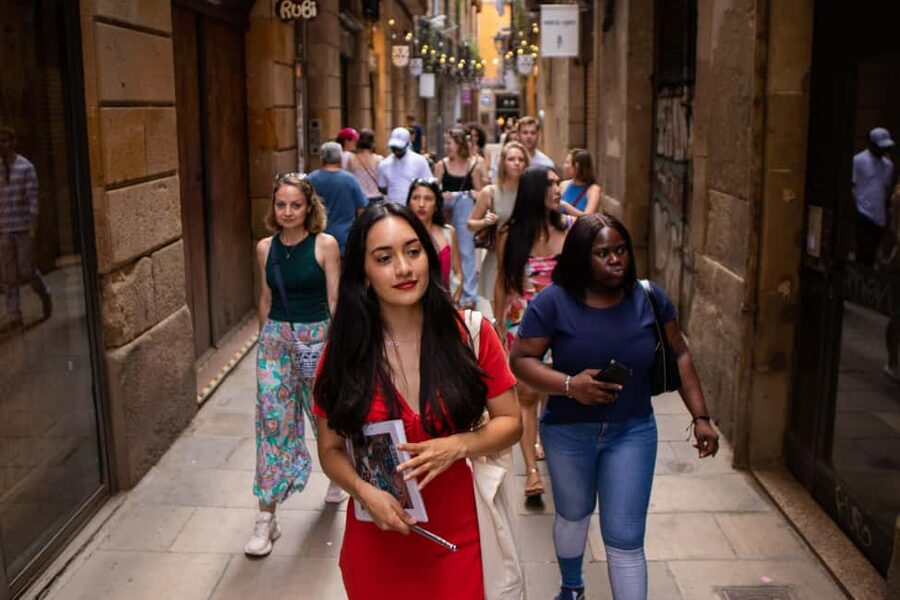
The experience depends heavily on the guide, and this one has strong consistency in the feedback. Petra, Santiago, Adri, Adriana, Jen, Jennifer, and Mariah show up in the kind of comments that matter: clear communication, approachable attitude, and a sense of humor that keeps the walk fun.
I also like that the guide focus is practical storytelling. The goal is not to recite a textbook. It’s to help you see the city as a chain of causes and effects, where Roman influence, medieval design, and later artistic movements all show up in the same streets.
That’s why solo travelers often enjoy this. The guide’s interactive style helps you feel part of the group without turning the tour into awkward small talk.
Price and value: what $17 buys you in the real world
At $17 per person for roughly 2 to 2.5 hours, this is the kind of price that makes sense for a first day. You’re paying for three things that add up fast if you try to DIY: local context, route efficiency, and story-driven sight interpretation.
If you self-walk the Gothic Quarter and El Born, you can certainly see the big names. But you’ll likely miss the way the guide connects lesser-known streets to larger historical threads. You’ll also lose time figuring out what’s worth your attention, especially if you only have a short window.
This tour also includes a private local guide, and the company offers private group options. That makes it easier to match your comfort level, ask questions, and keep the walk enjoyable rather than chaotic.
One more value point: you’re not just collecting photos. You’re collecting mental maps. When you understand the logic of squares, bridges, and street bends, your later wandering becomes easier and more satisfying.
Logistics that matter: shoes, camera, and walking pace
The tour runs rain or shine, so come prepared. Comfortable shoes suitable for walking are a must. If you usually wear fashion sneakers, I’d still test how they feel after 90 minutes.
Bring a camera, since there are built-in photo moments like the World Comes to Life With Each Kiss mural. Even if you prefer your phone, plan to keep it accessible because you’ll stop in places where the details matter.
The walking pace is friendly, but it is still a walking tour. If you know you’re sensitive to crowds or distance, consider a morning slot when streets are calmer.
Who this tour is best for
This walk is designed for a wide range of people: families, friends, solo travelers, and couples. It’s also a great fit if you want to feel like you’re moving like a local, not like you’re ticking boxes.
I think it’s especially good for you if:
- You want an organized route through El Born and the Gothic Quarter without overpaying.
- You like stories tied to real places, including legends and artistic references.
- You want a quick, high-impact introduction that helps you plan the rest of your Barcelona time.
It may be less ideal if you want long museum time or extended interior stays. This format keeps moving, by design.
Should you book this Barcelona walk?
Book it if you want a strong first pass through El Born and the Gothic Quarter that mixes major landmarks with genuinely interesting side streets. The $17 price point makes it low-risk, and the live English guide adds the kind of context that turns “I saw it” into “I get it.”
Skip it only if you hate walking in rain, or if you prefer slow museum-style visits and long interior time. Otherwise, this is a practical, story-forward way to get your bearings and leave with a Barcelona you can still picture when you’re back at your hotel.
FAQ
How long is the walk?
It lasts about 2 to 2.5 hours.
How much does it cost?
The price is $17 per person.
Where do we meet?
Meet at Passeig de Picasso, 13. Look for the big glass cube monument and the guide standing next to it with a sign that says Side Routes.
What language is the tour guide?
The live guide speaks English.
Where does the tour end?
The tour finishes at Els 4 Gats.
What sights are included?
You’ll visit highlights across El Born and the Gothic Quarter, including Casa Gispert, Santa Maria del Mar (St. Mary of the Sea Cathedral), the Picasso Museum, Barcelona Cathedral, Bishop’s Bridge, La Casa de l’Ardiaca, Plaça Sant Felip Neri, and Els Quatre Gats, with 15+ sights and local stories along the way.
Does the tour run in bad weather?
Yes. It runs rain or shine.
What should I bring?
Wear comfortable walking shoes and bring a camera.
Is food or drinks included?
No. Meals and drinks are not included.
Can I cancel or pay later?
Yes. You can cancel up to 24 hours in advance for a full refund. You can also reserve now and pay later, meaning you can book without paying immediately.
The latest to open for booking


Gothic Quarter Walks, side by side.
Barcelona all included: Sagrada, Park Güell, Montjuic & Gothic
Read our review →
Barcelona Gothic Quarter Tapas & Taverns Food & Wine Tour
Read our review →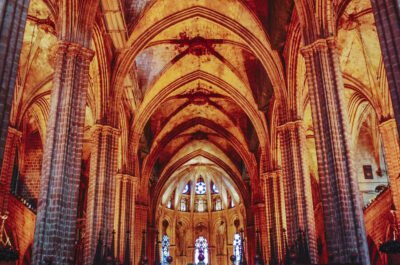
Barcelona Old Town & Gothic Quarter Small Group Tour
Read our review →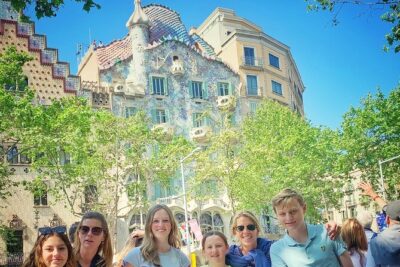
Ramblas, Old Town, Gothic and Gaudi Architecture Walking Tour
Read our review →
El Born and Gothic Quarter Wine & Tapas Bar Tour
Read our review →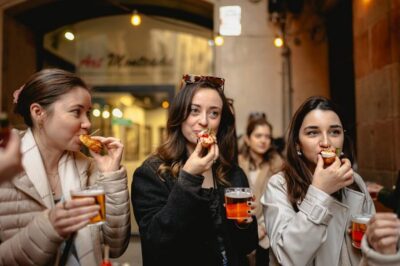
El Born Food Walking Tour with Tapas and Drinks
Read our review →
Kids and Family Gothic Quarter Walking Tour in Barcelona
Read our review →Where else this one turns up