
Reviewed · PALAU DE LA MÚSICA TICKETS
Palau de la Musica Catalana Guided Tour
Barcelona hides a music palace in plain sight. In this small-group tour, I like that you get a focused, guided look at one of Barcelona’s most stunning modernist buildings, the UNESCO-listed Palau de la Música Catalana. You move room to room, starting with the Rehearsal Hall and ending inside the Concert Hall where the stained glass does most of the talking.
What I really enjoyed was the guide-led context that helps you read the building, not just admire it. You watch a short 15-minute history clip, then follow the staircase details and tilework up to the Lluis Millet Hall, where the light feels almost designed for photos and pauses.
One consideration: this is an about-1-hour visit, so if your idea of a perfect tour means lingering in every corner, plan extra time on your own afterward to soak it in.
In This Review
- Key highlights that matter
- Palau de la Música Catalana in plain terms, what you are seeing
- Meet up and get inside fast without fuss
- Rehearsal Hall and the 1905 story that gives the building a pulse
- Staircases, tiles, and glass balusters, where modernism shows its tricks
- Lluis Millet Hall, light through windows and mosaics that nod to nature
- Concert Hall centerpiece, stained glass arches and the inverted-dome skylight
- Duration, pacing, and what to do in the remaining minutes
- Price and value, is $26.60 a good deal for this Palau visit
- Who should book this guided Palau tour, and who might prefer something else
- Should you book the Palau de la Música Catalana guided tour?
Key highlights that matter
- Skip-the-line entry with admission included means less waiting and more actual viewing time
- Max 15 travelers keeps the experience personal and easier to hear during explanations
- Rehearsal Hall + a 15-minute history video sets context fast before you move upstairs
- Staircases, glass balusters, and tile undersides are where the building turns decorative into technical
- Lluis Millet Hall light through floor-to-ceiling windows gives you a different feel than the darker rehearsal spaces
- Concert Hall centerpiece details include stained glass arches and an inverted-dome skylight
Palau de la Música Catalana in plain terms, what you are seeing
The Palau de la Música Catalana is a UNESCO World Heritage-listed building famous for Catalan modernism and Art Nouveau flair. Even if you have seen other Gaudí-era architecture in Barcelona, this one feels more like a sculpted interior than a monument you just pass by.
On this tour, you get the building’s “inside logic.” The guide doesn’t just point to pretty things, they connect what you’re seeing to why the design matters. That makes the details click, especially the way light, color, and ornament work together.
If you are an architecture or music fan, this is also a rare chance to see how both worlds shape one space. The hall was built for performance, and you can feel that purpose in the way the rooms transition from rehearsal spaces to the concert centerpiece.
Meet up and get inside fast without fuss
You meet your guide at C/ Palau de la Música, 4-6, Ciutat Vella, 08003 Barcelona. The tour ends back near the same meeting area, so you do not feel like you have to navigate a complicated route afterward.
You will start with skip-the-line entry and then begin in the Rehearsal Hall. That matters because the Palau is popular, and the tour time slots can fill up. Booking ahead is a smart move here, and this one tends to be reserved about 29 days in advance on average.
Once you’re inside, you are not stuck guessing what to look at first. The itinerary flows in a way that follows the building’s vertical movement, from downstairs rehearsal to upstairs halls, then to the Concert Hall.
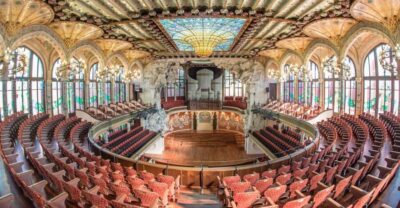
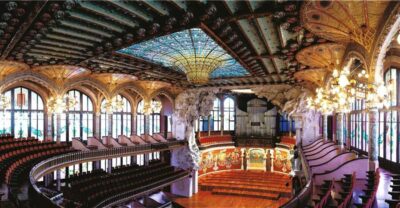
A concert hall built from stained glass
- Barcelona: Palau de la Música Entry Ticket
★ 4.6 · 4,907 reviews - Barcelona: Palau de la Música Guided Tour
★ 4.7 · 3,273 reviews - Barcelona: Guitar Trio & Dance @ Palau de la Música
★ 4.8 · 449 reviews
Rehearsal Hall and the 1905 story that gives the building a pulse
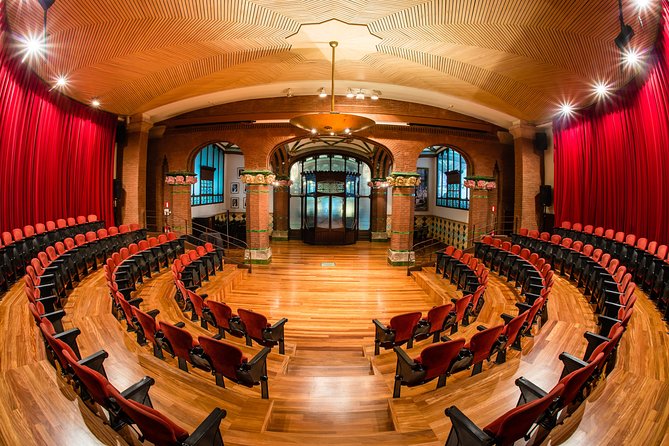
Your tour begins in the Rehearsal Hall of Orfeó Català. This is the kind of room that makes you realize how much effort goes into a place that supports music every day, not just performance nights.
You get two helpful things right away. First, your guide walks you through the significance of the hall, including the foundation stone laid in 1905. Second, you watch a 15-minute audio-visual clip that frames the building’s history and early 20th-century society.
I like doing this kind of short setup before you enter the main rooms. The clip gives you a mental map, so when you later see mosaics, stained glass, and sculptural details, you understand what role each element plays. Without that context, it can turn into a blur of pretty surfaces.
Practical tip: keep your eyes up during the clip and the first room. This is one of those spaces where design details are easy to miss if you only look straight ahead.
Staircases, tiles, and glass balusters, where modernism shows its tricks
After the Rehearsal Hall, you move to the staircases that lead up to the second floor. This part is one reason I recommend this tour even if you already know the Palau is beautiful, because the staircase zone is full of design craftsmanship.
You’ll notice the elaborate tiling that covers the underside of the stairs. That kind of detail is exactly what you would never see in passing, and it changes how the stairwell feels, like it is decorated for viewing from multiple angles, not just for getting from A to B.
Then comes another “wait, how did they do that?” moment: glass balusters that support marble banisters. It’s decorative, but it’s also functional, and your guide helps you see how the architecture merges structure with ornament.
If you love close-up design, this section is a highlight. The building gives you a lot to look at, so give yourself permission to slow down and study the surfaces.
Lluis Millet Hall, light through windows and mosaics that nod to nature
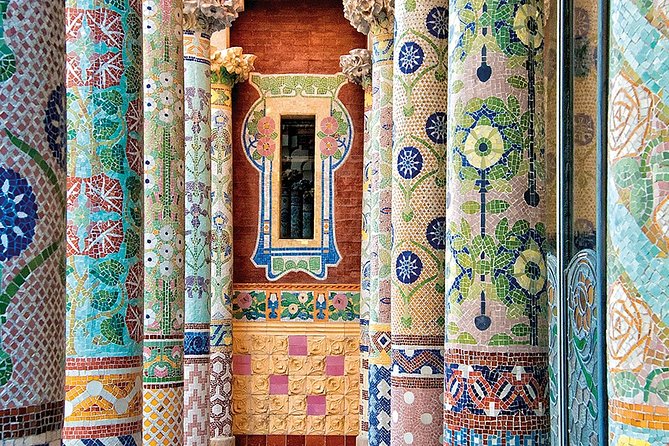
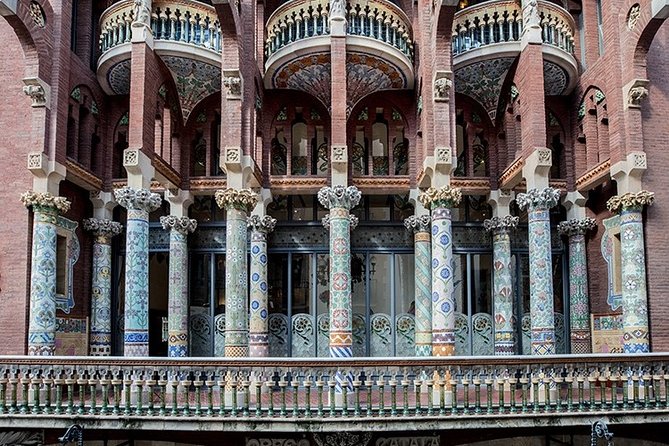
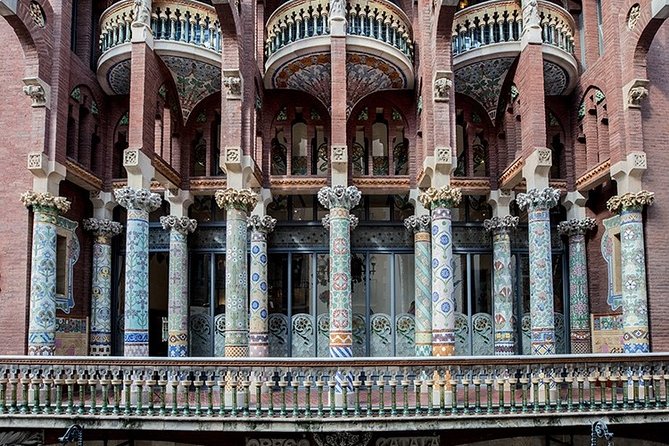
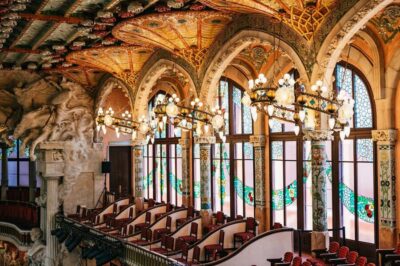
Next you reach the Lluis Millet Hall, where the mood changes. The most striking feature is the flood of light coming through floor-to-ceiling windows that look out toward the balcony colonnade of the main façade.
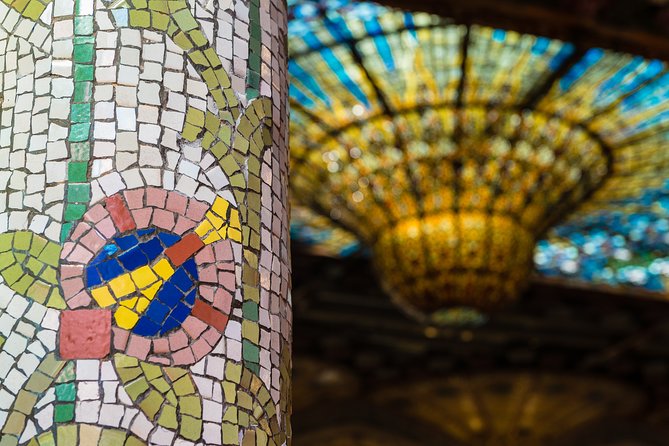
This is also where the decorative theme becomes clearer. Pillars are decorated with intricate mosaics depicting flowers, a tribute to nature that fits the Art Nouveau approach you see throughout the Palau.
I like that this stop is not just “more decoration.” Your guide ties what you are seeing to the building’s overall artistic intention. When the tour hits the Lluis Millet Hall, you understand why the earlier rooms prepared you, because the design language continues, but the lighting makes it feel fresh.
One small practical note: if you are traveling with camera habits, this is a better time to slow down. The windows and the view lines make it easier to get photos that look like you planned them, not like you grabbed a shot while walking.
Concert Hall centerpiece, stained glass arches and the inverted-dome skylight
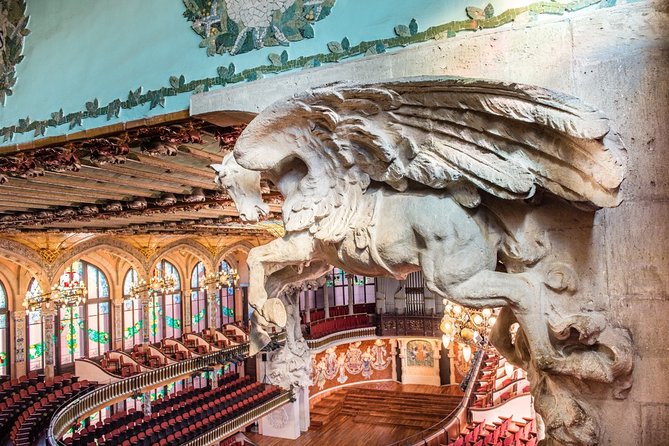
The Concert Hall is the reason most people end up here, and it lives up to the hype. This room is treated like a centerpiece, with architectural drama in every direction.
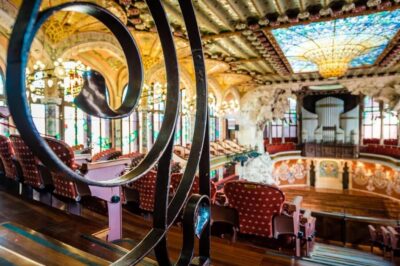
Your guide leads you through the hall’s standout features. Look for the massive panes of stained glass set in arches along the walls, which create a rich color atmosphere even when the light outside is doing the ordinary thing. Then focus upward for the large skylight in the shape of an inverted dome.
I find this combo especially powerful because it affects both mood and acoustics. The stained glass gives you the visual wow, while the dome skylight helps make the space feel airy and theatrical at the same time.
You’ll also learn about the Catalan architects connected to the décor, including Eusebi Arnau, Pau Gargallo, Lluis Bru, and Antoni Rigalt. That name list can sound like homework, but it helps you understand that the Palau is a team effort, with different artists shaping different layers of the experience.
Music lovers should keep an ear out, too. On some visits, you may catch musicians practicing, and in at least one experience the organ was played. The organ is described as having almost 3,000 pipes, which is the kind of fact that makes you think twice about how much engineering sits behind beauty.
Other things to see around Barcelona
- Barcelona: Sagrada Familia Entry Ticket with Audio Guide★ 4.6 · 105,312 reviews
- Barcelona: Park Guell Guided Tour with Skip The Line Entry★ 4.7 · 17,563 reviews
- Fast Track Sagrada Familia Guided Tour★ 4.5 · 8,795 reviews
- Park Guell Guided Tour with Skip the Line Ticket★ 4.5 · 6,996 reviews
- Barcelona: Sagrada Familia Skip-the-Line Guided Tour★ 4.3 · 5,365 reviews
- Montserrat, Girona & Costa Brava Guided Day Trip from Barcelona★ 5.0 · 5,128 reviews
Duration, pacing, and what to do in the remaining minutes
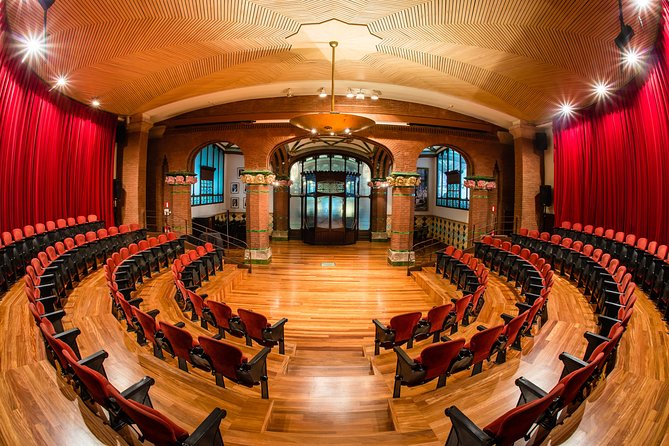
The tour runs about an hour. That length is tight enough to feel efficient, but not so short that you miss the key spaces like the Rehearsal Hall, the staircase climb, Lluis Millet Hall, and the Concert Hall.
In my view, the pacing works because it matches how the building reveals itself. You start with context, then you ascend through design details, then you land in the main performance room. It’s basically a guided path to the building’s “best scenes,” in the order your eyes need.
If the tour ends near the exit and you still want more, don’t treat it as a hard stop. Take a few minutes to look back at what you just saw, especially the areas you only got a quick look at, and consider staying in the neighborhood. La Ribera is full of wandering-friendly streets where you can let the architecture sink in.
Also, if you’re sensitive to pacing, arrive a few minutes early and settle in. A short tour can feel even shorter when you show up late or hesitate at the start.
Price and value, is $26.60 a good deal for this Palau visit
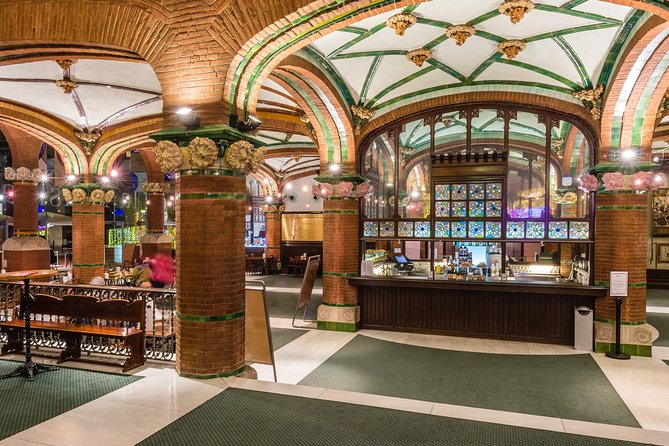
At $26.60 per person, this tour is priced like a high-impact sightseeing hour, not a budget “see it in passing” ticket. What makes it feel fair is that you get admission included, plus a local guide and a 15-minute audio-visual clip.
You’re also paying for the time advantage. Skip-the-line entry matters in Barcelona, where popular sites can eat up your day if you arrive without a plan. And with a maximum of 15 travelers, you get a more personal format than the big crowd approach.
Is it worth it if you only care about taking a couple photos? You might decide to visit without a guide if you are purely DIY. But if you want to understand what you’re looking at, the guide-led route is the difference between seeing a gorgeous hall and understanding why it is such a big deal.
For me, the best value signal is the room variety. You are not stuck in one hall. You get multiple spaces that show different angles of the building’s artistry, with context before you reach the Concert Hall centerpiece.
Who should book this guided Palau tour, and who might prefer something else
This tour fits well if you want a structured visit in a short time window. It also works if you like modernist architecture and want the “why” behind the ornament, especially the tiles, stained glass, and the inverted-dome skylight in the concert space.
It’s also a good pick for pairs, solo travelers, and anyone who prefers smaller group dynamics. The max group size of 15 is big enough to feel sociable, but small enough that the guide can keep things moving without turning it into a lecture for hundreds.
If you are the type who loves open-ended museum wandering and hates timeboxes, this one might feel a little brisk. In that case, you may want to plan a longer standalone visit after your tour so you can return to your favorite rooms.
English is offered, and most travelers can participate. If you rely on clear audio, you might find it helpful that some tours provide ear pieces so you can control volume, which can make a short 1-hour experience much less tiring.
Should you book the Palau de la Música Catalana guided tour?
Book it if you want the fastest path to the Palau’s most memorable interiors, plus the context that helps you notice details you would otherwise miss. The skip-the-line entry, the included admission, and the flow from Rehearsal Hall to Concert Hall make it feel efficient and worth the time.
Skip it only if you are strictly photo-only and you do not care about architecture explanations. Otherwise, this is one of those Barcelona experiences where a guided hour turns into a deeper appreciation, not just another stop on the list.
The latest to open for booking





Palau de la Música Tickets, side by side.


Barcelona Guitar Trio & Dance at the Palau de la Musica
Read our review →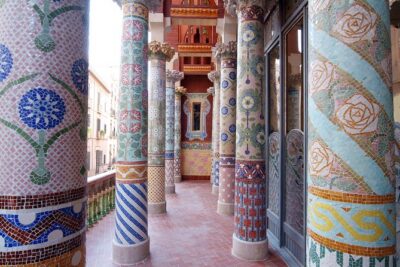
Palau de la Musica Catalana Admission Ticket with Audioguide
Read our review →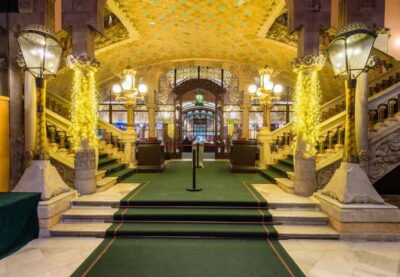
Sailing Experience & Flamenco at Palau de la Musica
Read our review →Where else this one turns up