
Reviewed · PALAU DE LA MÚSICA TICKETS
Palau de la Música & Sant Pau Modernist Site
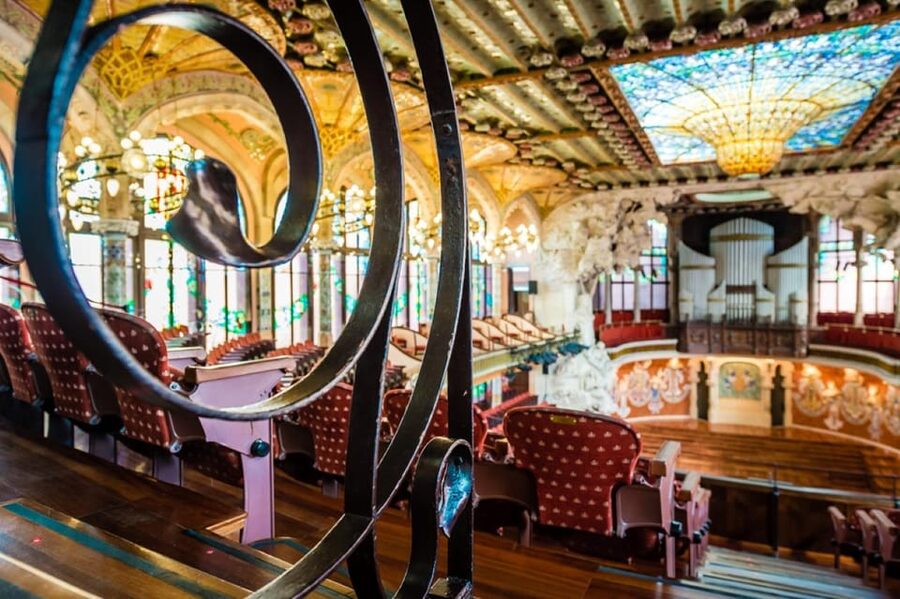
Two modernist masterpieces, one ticket plan. You get to compare Palau de la Música Catalana and the Sant Pau Modernist Site while learning the signature touch of Domènech i Montaner. I love how the Palau feels like a real performance space, with people especially impressed by the hall’s décor, excellent acoustics, and an inverted dome. I also love the scale and calm of Sant Pau, billed as the world’s biggest modernist complex, which makes it ideal for photos and a slow, thoughtful walk. The only real drawback is that this is self-guided, so you need to set aside time to follow the digital brochure and map instead of expecting a lecturer to lead every step.
This combined ticket is built for people who like flexibility. You choose a day and time for Palau during booking, then you enter Sant Pau for free using the same ticket. It’s a smart deal if you want two top-tier architecture stops without paying for separate admissions or spending half your day getting oriented.
You’re looking at about 180 minutes total, but that’s a guideline, not a stopwatch. If you’re the type who pauses for details and reads every label, plan a bit longer and take breaks. Comfortable shoes help, because your feet do most of the work here.
In This Review
- Quick hits before you go
- Why this combined ticket feels like good value
- Picking your timing: Palau first, then Sant Pau
- Entering Palau de la Música Catalana with a digital brochure
- What to look for inside Palau (beyond the big wow)
- Taking the Sant Pau Modernist Site route at your own pace
- The easiest way to enjoy Sant Pau: give yourself space
- How Domènech i Montaner’s fingerprints connect both sites
- Photography tips that actually help at both locations
- Who this experience suits best (and who might want a different plan)
- Price breakdown: why $38 makes sense for two monuments
- Should you book this combined ticket?
- FAQ
- What’s included in the combined Palau and Sant Pau ticket?
- Is there a live guide included?
- Is lunch included?
- How does the combined ticket work between Palau and Sant Pau?
- What time can I enter Palau de la Música Catalana?
- What time can I enter Sant Pau?
- How long should I plan for the full experience?
- What languages are available?
- Is the experience wheelchair accessible?
- Can I cancel for free?
- Can I reserve now and pay later?
Quick hits before you go
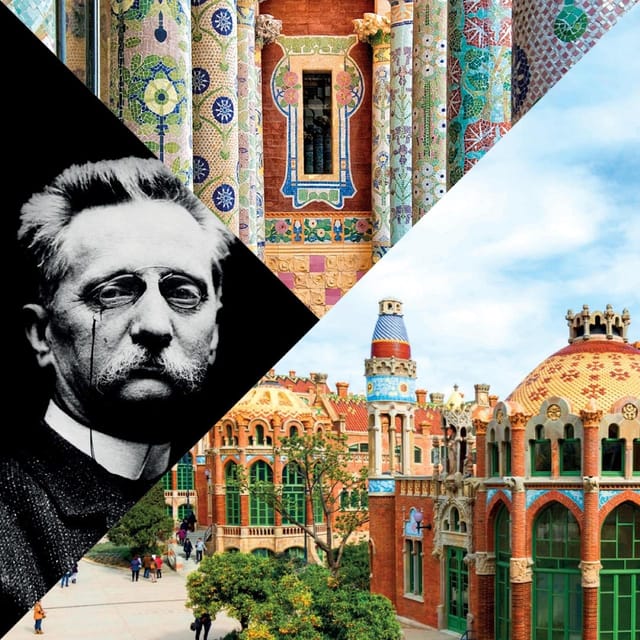
- Two icons in one place: Palau de la Música Catalana plus Sant Pau Recinte Modernista on a single combined ticket
- Self-guided, not rushed: digital brochure at Palau and a map plus staff help at Sant Pau
- Domènech i Montaner side-by-side: see how his modernist ideas show up in two very different settings
- Palau’s performance-hall wow factor: décor, excellent acoustics, and an inverted dome that people single out
- Sant Pau scale for photos: it’s promoted as the world’s biggest modernist complex, so there’s room to roam
Why this combined ticket feels like good value
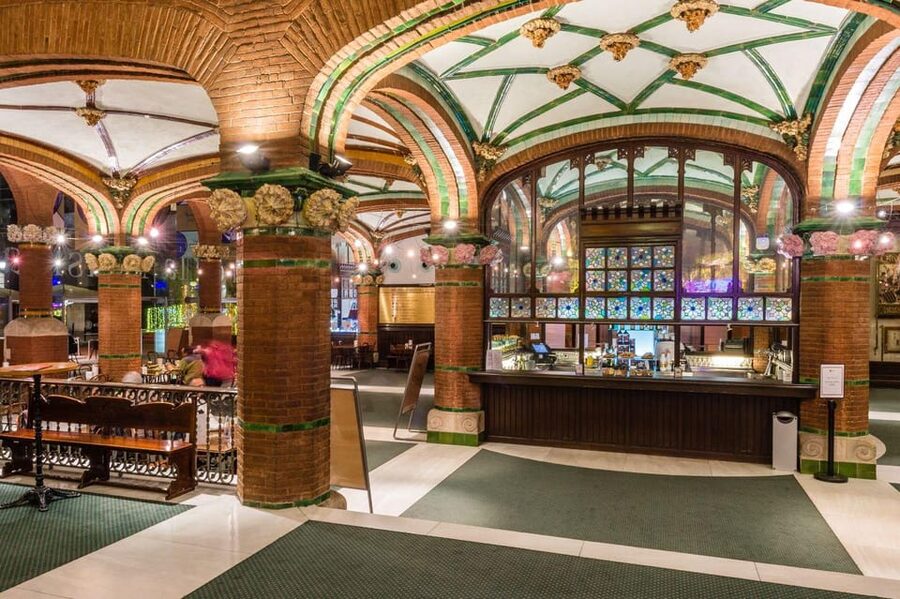
At $38 per person for a 3-hour experience, you’re paying for two heavyweight stops that are usually done as separate tickets. The value is strongest because both parts are designed for independent visiting, so you’re not paying extra for a guide to interpret every room.
The structure is also practical. Palau comes with a digital brochure you can use while you explore freely. Sant Pau is visitable on your own too, with a map and info staff located around the spaces. That means you can match your pace to your interests, whether you want a highlights walk or you want to linger over architecture details and any exhibitions or indoor programming you encounter.
Picking your timing: Palau first, then Sant Pau
This is a day-planning activity more than a fixed tour route. You select your Palau visit time during booking, and you can enter Sant Pau using the same ticket as long as you go within Sant Pau’s opening hours.
Here are the key windows:
- Palau de la Música Catalana: 9:00 a.m. to 3:30 p.m.
- Sant Pau Recinte Modernista:
- April to October, 9:30 a.m. to 6:30 p.m.
- November to March, 9:30 a.m. to 5:00 p.m.
- Last entry at Sant Pau is 30 minutes before closing.
What I like about this setup is that it prevents you from feeling trapped. You’re not locked into a tight group schedule. But you do need to be honest about time, especially if you want to enjoy both sites rather than just ticking them off.
A hospital built like a palace
- Barcelona: Sant Pau Recinte Modernista Entry Ticket
★ 4.6 · 2,567 reviews - Sant Pau Recinte Modernista Entrance Ticket in Barcelona
★ 4.5 · 230 reviews - Sant Pau Art Nouveau Site Skip The Line | Sant Pau Hospital
★ 4.5 · 21 reviews
Entering Palau de la Música Catalana with a digital brochure
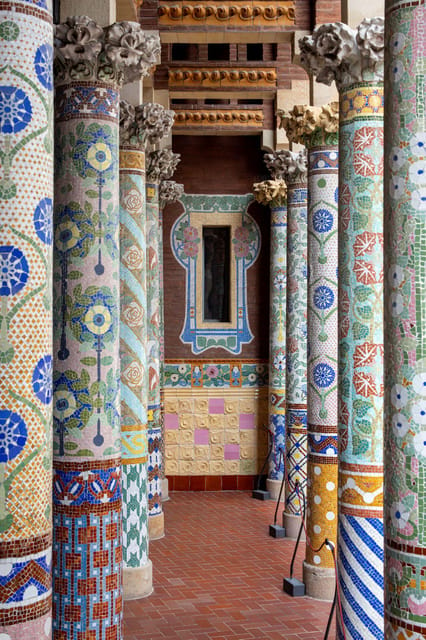
At Palau, you explore freely from 9:00 a.m. to 3:30 p.m. The experience is self-paced, supported by a digital brochure. That matters because Palau is the kind of building where the most interesting things can be small and easy to miss if you rush.
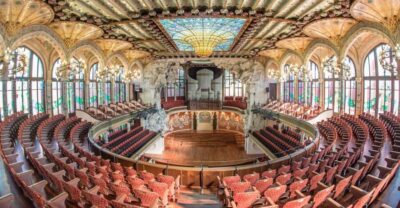
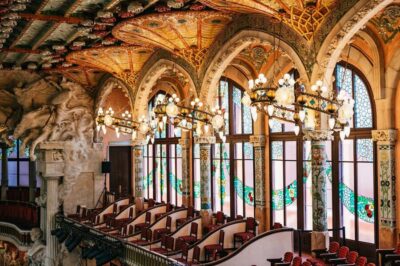
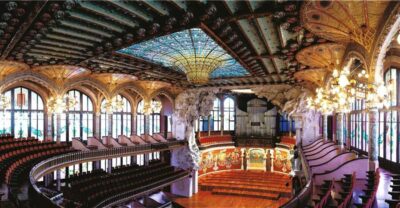
I would treat your first pass like “get your bearings fast.” Then do a second pass for the details that make the building famous. People often focus on the performance hall atmosphere, and it makes sense. One review highlighted the hall’s décor, excellent acoustics, and that inverted dome people call breath-taking. Even if you’re not attending a concert, you can still appreciate the way the room is shaped for sound and drama.
A good practical move is to download or open your brochure before you arrive, and keep your screen brightness reasonable. You’ll spend a lot of time looking up, and your phone should help, not distract.
What to look for inside Palau (beyond the big wow)
Palau is all about craftsmanship and structure. The building’s modernist identity shows up in ornament, light, and the way different elements work together rather than fighting each other.
As you walk through, pay attention to:
- How the hall design supports acoustics. Reviews specifically praise the sound quality, which hints that the room is engineered for voices and music, not just looks.
- The inverted dome. If you know it’s a feature people react to, you’ll be more intentional when you spot it.
- The overall décor. One review described the décor as incredible, which usually means you’ll see layered details, not just a single headline moment.
If you spot exhibitions or other indoor programming, don’t treat it as “optional padding.” The best use of your time is usually combining architecture viewing with what’s on display. One review even said it’s worth looking closely at exhibitions and other programs, so plan your curiosity accordingly.
Taking the Sant Pau Modernist Site route at your own pace
Sant Pau is open later than Palau and gives you more hours to roam. You can visit from 9:30 a.m. to 6:30 p.m. (April to October) or until 5:00 p.m. (November to March), with last entry 30 minutes before closing. For Sant Pau, you rely on a map plus help from info staff you find in different spaces.
That self-guided format works well at Sant Pau because the complex is large. The sheer scale is part of the point, and it’s promoted as the world’s biggest modernist complex. When something is that big, a map matters more than a narration.
I suggest you approach Sant Pau like a slow circuit:
1) Start by following the map to orient yourself.
2) Pick one or two “anchor” areas to visit carefully.
3) Then let the rest of the complex fill in around them.
This way you avoid the common self-guided problem where you end up checking every corner quickly but remembering nothing.
The easiest way to enjoy Sant Pau: give yourself space
Sant Pau can feel like a place made for walking. Even without assuming you know its layout, the complex nature is what you should plan for. You’re not just visiting rooms, you’re moving through an environment.
Two things I would focus on while you go:
- Photo-friendly sightlines. The modernist design is visually strong, and the reviews mention it as great for photography.
- Time to notice details. One review said it’s worth looking at things in detail, which is good advice here. When a place is sprawling, details are what keep it from turning into a blur.
If you feel your pace slipping, take a short pause and reset. You’ll enjoy the later sections more if you keep your energy.
A concert hall built from stained glass
- Barcelona: Palau de la Música Entry Ticket★ 4.6 · 4,907 reviews
- Barcelona: Palau de la Música Guided Tour★ 4.7 · 3,273 reviews
- Palau de la Musica Catalana Guided Tour★ 4.5 · 632 reviews
- Barcelona: Guitar Trio & Dance @ Palau de la Música★ 4.8 · 449 reviews
- Barcelona Guitar Trio & Dance at the Palau de la Musica★ 5.0 · 269 reviews
- Palau de la Musica Catalana Admission Ticket with Audioguide★ 4.5 · 246 reviews
How Domènech i Montaner’s fingerprints connect both sites
The combined ticket is interesting because you’re comparing two of Domènech i Montaner’s most iconic monuments back-to-back. That lets you see patterns in his design language without needing a lecture.
Here’s what you can look for in the comparison:
- Modernist artistry that feels physical, not just decorative. At Palau, people react to the performance-hall décor and the inverted dome. At Sant Pau, the complex nature and modernist scale suggest a different kind of beauty, more architectural and spatial.
- A sense of intentional structure. Even when you’re just sightseeing, you can usually tell when a building is designed as a whole system instead of a collection of parts.
- The emotional tone shift. Palau feels like an indoor “event” space, which is why acoustics come up in reviews. Sant Pau is more about walking and discovering, which is why it’s described as great for photos and a stroll.
If you like architecture, this side-by-side contrast is the real treat. You’re not just visiting two famous places. You’re learning how one architect thinks in two different scales.
Photography tips that actually help at both locations
If photos are part of the goal, both sites support it. One review specifically called both places cozy for a walk and excellent for photos. Another review singled out the Palau hall décor and dome, which are the kind of moments you’ll want to frame carefully.
Practical photo advice that keeps you from missing the good stuff:
- Use a “one moment, then move” rhythm. Spend a minute or two composing shots, then step aside to avoid blocking paths.
- Look for ceiling and dome angles at Palau. People mention the inverted dome because it rewards looking up.
- At Sant Pau, work the map first. If you try to wander randomly, you might end up with great images but fewer memorable overall views.
And yes, comfortable shoes again. If you’re lugging a bag and constantly shifting position, your feet will complain before your mind is satisfied.
Who this experience suits best (and who might want a different plan)
This combined ticket is a great fit if you:
- Love Catalan modernist architecture and want the “best hits” of Domènech i Montaner
- Prefer self-guided visiting, with the freedom to go slower
- Want good value by stacking two major monuments into one paid visit
- Care about photo opportunities and enjoying spaces at your own pace
It may feel less ideal if you:
- Want a live guide to explain each space in depth
- Get impatient with self-guided maps and brochures
- Have very limited time and can’t risk mismanaging the opening windows
Also, the duration is 3 hours. That’s enough for a solid highlights pass, but it might be short if you want to read everything carefully and keep stopping for pictures at every turn.
Price breakdown: why $38 makes sense for two monuments
Let’s talk value plainly. You’re paying for Palau’s entry plus a digital brochure experience, and then Sant Pau is included for free with the same ticket. That’s the key economics.
If you were to buy two separate tickets elsewhere, the cost would usually climb fast. Here, the combined ticket turns it into one “architecture day” without making you do two separate budgeting decisions. The math works especially well because Palau is time-windowed, and Sant Pau has seasonal hours, so stacking them reduces the chance you waste money on a partial visit.
Should you book this combined ticket?
Book it if you want a high-impact modernist day where you can control your pace. The pair makes sense because Palau delivers a standout performance-hall atmosphere, with people praising décor, excellent acoustics, and an inverted dome, while Sant Pau offers the scale to slow down and enjoy a big modernist complex on foot.
Skip it or switch plans if you strongly prefer a guided narration. Since this is self-guided with a brochure and map, you’ll get the most out of it if you enjoy reading, looking, and choosing what to focus on.
If you’re already planning a Barcelona or Catalonia architecture route, this ticket is an efficient way to hit two major Domènech i Montaner landmarks in one go.
FAQ
What’s included in the combined Palau and Sant Pau ticket?
You can visit Palau de la Música Catalana on your own using a brochure, and you get a free visit to the Modernist Site of Sant Pau with a brochure.
Is there a live guide included?
No. This experience is self-guided, using a brochure for Palau and a map and staff help for Sant Pau.
Is lunch included?
No. Lunch is not included.
How does the combined ticket work between Palau and Sant Pau?
When you purchase, you pick your day and time to visit Palau de la Música Catalana. You can then enter the Sant Pau Modernist Site for free by showing the same ticket that lets you into Palau.
What time can I enter Palau de la Música Catalana?
Palau is open from 9:00 a.m. to 3:30 p.m.
What time can I enter Sant Pau?
Sant Pau hours are April to October, 9:30 a.m. to 6:30 p.m., and November to March, 9:30 a.m. to 5:00 p.m. Last entry is 30 minutes before closing.
How long should I plan for the full experience?
The duration is 3 hours.
What languages are available?
The languages listed include Aranese, Catalan, Spanish, English, French, Italian, Galician, German, Portuguese, Russian, Japanese, Korean, Chinese, Arabic, Hebrew, Polish, and Basque.
Is the experience wheelchair accessible?
Yes, it is wheelchair accessible.
Can I cancel for free?
Yes. You can cancel up to 24 hours in advance for a full refund.
Can I reserve now and pay later?
Yes. You can reserve now & pay later, meaning you pay nothing today.
Gaudí's Barcelona



The latest to open for booking



Palau de la Música Tickets, side by side.


Barcelona Guitar Trio & Dance at the Palau de la Musica
Read our review →
Palau de la Musica Catalana Admission Ticket with Audioguide
Read our review →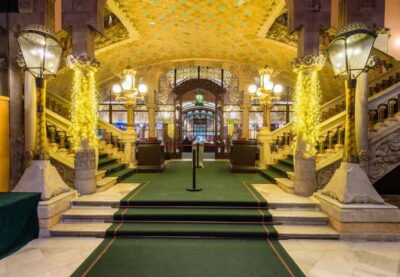
Sailing Experience & Flamenco at Palau de la Musica
Read our review →Where else this one turns up