
Reviewed · GOTHIC QUARTER WALKS
Private Jewish Heritage Journey by Barcelona Dreaming
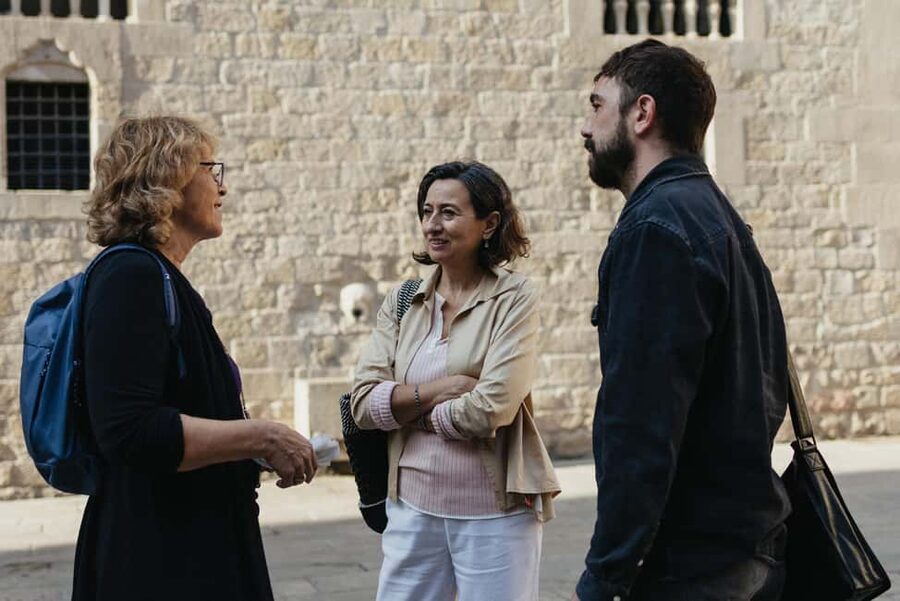
Barcelona hides a Jewish world in plain sight. In just two hours, this private walk in the Gothic Quarter takes you past the obvious stops and into places most people never get to see, including an Ancient Synagogue and a secret mikveh. It’s guided by heritage experts from Barcelona Dreaming, with storytelling aimed at your family’s pace and interests.
I especially like how this tour feels personal, not mass-produced. You can ask questions, slow down for details, or keep moving if your group is fast, and guides such as Alan, Edu, Ella, and Lilach have been praised for the same thing: answering lots of questions clearly and keeping the rhythm right. I also love the focus on names and ideas, from Ramban to Rashba, so the neighborhood becomes more than pretty stone streets.
One consideration: this is a walking route through old-city streets with cobblestones and some uneven surfaces. Entry to the synagogue involves a few steps, so it may be tough for some people even though much of the rest is wheelchair or stroller friendly.
In This Review
- Key highlights worth planning around
- 2 Hours In Barcelona’s Call: Why This Walk Feels Different
- Price and What Your $94 Actually Covers
- Meeting at Conesa Entrepans: Getting Oriented Fast
- Plaça de Sant Jaume and King’s Square: Medieval Landmarks With Meaning
- Inside the Ancient Synagogue: The Part Most Tours Skip
- The Secret Medieval Mikveh: Where the Story Gets Personal
- Casa Adret and the Rashba Legacy: Names You Can Place
- How Your Guide Shapes the Whole Experience
- Timing, Walking Surfaces, and What to Bring
- Who Should Book This Private Jewish Heritage Journey
- Final verdict: Should you book it?
- FAQ
- How long is the private Jewish Heritage Journey by Barcelona Dreaming?
- What does the tour cost?
- What is included in the experience?
- Where do we meet the guide?
- Is this tour wheelchair accessible?
- What should I bring or wear?
- Is there free cancellation?
Key highlights worth planning around
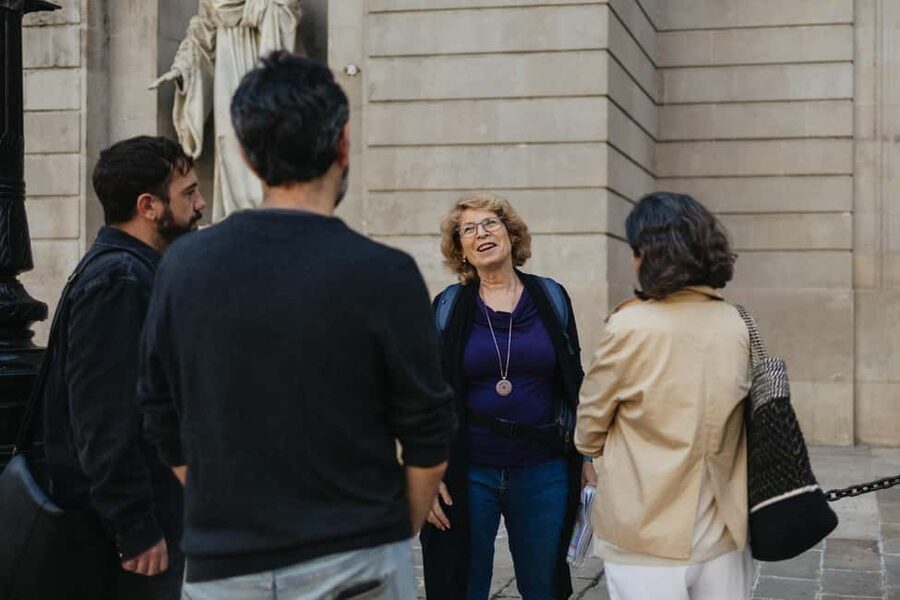
- Private, expert-led pace that you can adjust for kids, seniors, or mobility needs (within the walking reality)
- Entry to an ancient synagogue that most short tours only talk about from outside
- A hidden medieval mikveh you only hear about when a guide knows what to look for
- Medieval Jewish Quarter storytelling tied to local landmarks, including Casa Adret and the Rashba House area
- Good guide energy and Q&A time, with multiple guides praised for thoughtful answers and not rushing
2 Hours In Barcelona’s Call: Why This Walk Feels Different
This is the kind of tour that changes how you see Barcelona after. The Gothic Quarter is full of visitors doing the standard photo circuit, but this route points you toward the area’s Jewish heart, often called the Call. You don’t just hear history as a lecture. You see how it connects to street corners, stone details, and the names attached to buildings and scholars.
The best part is the balance. You get bright, human stories from the period when Jewish life was deeply woven into Catalan culture, and you also get the darker shifts that came later. That matters because it keeps the story from turning into a single-note tragedy. You come away with context, not just facts.
And yes, it helps that you get inside key sites. Walking by religious buildings is one thing. Stepping into an ancient synagogue and learning about a medieval mikveh is another. That access is the main reason this is more than a stroll.
Price and What Your $94 Actually Covers
At $94 per person for about two hours, this isn’t a budget add-on. But it also isn’t overpriced for what you receive, especially if you value access and expert guidance.
Here’s what your price supports:
- A private expert-led walking tour (not a shared group shuffle)
- Entry to the Ancient Synagogue of Barcelona
- Guide-led context with maps and historical framing
- Recommendations for kosher or local dining after the walk
- Entrance fees for the synagogue included in the cost
For me, the value logic is simple: you’re paying for the combination. Private guiding plus actual interior access to a major heritage site. If you only want exterior viewpoints, you could DIY the Gothic Quarter. But if you want the Call’s story told in the right order, with the right stops, this pricing makes sense.
Get lost in the medieval lanes
- Barcelona all included: Sagrada, Park Güell, Montjuic & Gothic
★ 5.0 · 2,169 reviews - Barcelona Gothic Quarter Tapas & Taverns Food & Wine Tour
★ 5.0 · 1,470 reviews - Barcelona: Old Town and Gothic Quarter Walking Tour
★ 4.8 · 1,393 reviews
Meeting at Conesa Entrepans: Getting Oriented Fast
You start near Plaça Sant Jaume, close to Conesa entrepans in the Gòtic. The advantage of starting here is practical. You’re in the core of the medieval center, so your guide can connect early landmarks to later stops without long transfers.
In the first minutes, you typically get what I’d call the quick mental map. The guide helps you understand what you’re looking at and why it matters, so the rest of the walk feels guided instead of random. Guides are also known for pacing well, and that orientation time helps everyone, including families with kids or people who need a slower tempo.
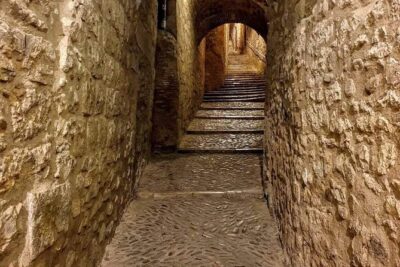
If you’re joining with mobility limits, don’t wait until you’re already tired. Start with comfortable shoes and mentally plan for cobblestones. Your guide can adjust how you move, but physics still applies.
Plaça de Sant Jaume and King’s Square: Medieval Landmarks With Meaning
From Plaça de Sant Jaume, you’ll move through the streets toward King’s Square. These are not just scenic squares for quick photos. They work as anchors.
Why anchors matter: when your guide ties the Jewish story to the medieval street layout, the neighborhood becomes easier to follow. You start recognizing how power, daily life, and community identity shaped where people lived and worshiped.
You’ll likely hear how Jewish scholars and community life influenced Catalonia’s intellectual and cultural development, and why certain buildings and locations became symbolic later on. Even if you’ve visited Barcelona before, this framing can make the Gothic Quarter feel newly readable.
Inside the Ancient Synagogue: The Part Most Tours Skip
This is the moment that justifies the tour.
You step into the Ancient Synagogue of Barcelona, one of Europe’s oldest. It’s not presented as a dusty artifact. Instead, the guide connects what you see to how the community practiced, studied, and lived. That connection is the value of a true heritage guide: the space stops being a shell and starts being a story with your feet inside it.
A key practical note: entry involves a few steps. The tour is described as wheelchair accessible in much of the route, but this part may not be fully accessible for everyone. If mobility is a factor, tell your guide during the walk so they can plan the moment carefully.
Also, if the synagogue is operating under normal visitor flow, you should expect a more efficient experience because the tour includes entry and is meant to help you avoid the slow ticket line. That can matter on busy days.
The Secret Medieval Mikveh: Where the Story Gets Personal
Right after the synagogue visit, the tour highlights a hidden medieval mikveh. This is one of the reasons people leave the walk saying it felt more meaningful than they expected.
Why a mikveh changes the tone: it moves the conversation beyond famous scholars and big historical events into lived practice. It helps you understand how religious life shaped routines, community identity, and spiritual preparation.
Even if you don’t know much Jewish history going in, this stop gives you an immediate human angle. You can connect the setting to questions like how people prepared for festivals, how community life was structured, and why this kind of space mattered.
Other things to see around Barcelona
- Barcelona: Tapas Walking Tour with Food, Wine, and History★ 4.8 · 4,261 reviews
- Highlights & Hidden Spots of Barcelona Bike Tour w/ Local Guide★ 4.5 · 3,009 reviews
- Barcelona Tapas Walking Tour: Food, Wine & History★ 4.5 · 1,928 reviews
- Barcelona 3-hour Bike or E-Bike Tour: Highlights and Hidden Gems★ 5.0 · 1,429 reviews
- Barcelona: 2.5-Hour Bike or E-Bike Historical Tour★ 4.5 · 1,262 reviews
- Barcelona Old Town Tapas Tour: Vermouth, Bites & Hidden Gems★ 5.0 · 627 reviews
Casa Adret and the Rashba Legacy: Names You Can Place
Next comes Casa Adret, another stop where you’re not just looking at a building. You’re learning how scholars fit into real places in the neighborhood.
Two names come up often in the tour themes:
- Ramban
- Rashba
The goal is to help you place their influence in the geography you’re walking. That can be surprisingly powerful because you can then recognize the Jewish intellectual thread when you see Catalan architecture and street patterns later in your trip.
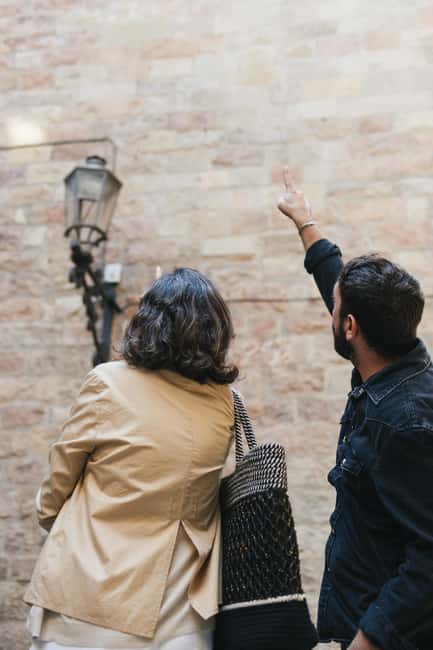
The tour also calls out hidden symbols on ancient stone walls and mentions sites associated with the Rashba House, which are often missed by people without an expert local eye. That’s worth taking seriously. In a dense medieval quarter, you don’t always notice the small carved details that connect to identity and memory.
I like how this portion adds depth without turning into a textbook. The best guides know when to keep it simple and when to add context, so you leave with both understanding and curiosity.
How Your Guide Shapes the Whole Experience
This is a private journey, and guides are a big part of the equation.
The common strengths in the guide style, as reflected in recent feedback, are consistent:
- Thoughtful answers to questions
- Right-sized pacing, not rushed
- Friendly, professional communication
- Familiarity with the streets and the ability to spot details most people walk past
- Use of practical tools like maps and, in some cases, visual supports such as photos or mockups to clarify what you’re seeing
You might get a guide like Alan, Edu, Leiach, Dina, Ella, or Lilach. The names vary, but the standards people praise are the same: clear explanations and the ability to make a complex story feel understandable in real time.
This tour also sounds built for multi-generational families. It explicitly aims to match pace and focus to your interests, including if you’re exploring Sephardic roots or you just want a deeper connection to Spain’s wider Jewish story.
One more practical point: if it’s raining, guides have been noted for caring about safety and adjusting your movement accordingly. That matters in Barcelona, where cobblestones plus wet weather can make everything feel more slippery.
Timing, Walking Surfaces, and What to Bring
You’re out for about two hours on foot. That’s short enough to feel doable for most people, but long enough to cover real ground in the old quarter.
Plan for:
- Cobblestone streets and some uneven surfaces
- Comfortable shoes (non-negotiable)
- Water, since the tour runs in rain or shine
- Weather-aware clothing because the forecast matters on a walking tour
The tour is described as mostly wheelchair or stroller accessible, but remember that synagogue entry involves steps. If your group includes someone who uses a wheelchair, bring that reality into the plan from the start.
Also, the tour is not suitable for people over 95 years. If you’re close to that age range, it’s worth thinking through your comfort with walking tempo and any steps at the synagogue.
Who Should Book This Private Jewish Heritage Journey
Book it if:
- You want more than surface-level sightseeing in the Gothic Quarter
- You value interior access, especially the synagogue visit and the mikveh focus
- Your family includes teens or grandparents who can enjoy different levels of detail
- You want the story tied to actual street corners, not just names in a lecture
- You’re exploring Sephardic heritage, or you just want a serious historical perspective without feeling overwhelmed
Skip it if:
- You need a mostly flat, minimal-walking experience
- Your group cannot manage cobblestones or may struggle with synagogue steps
- You’re looking for a fast, minimal stop tour where you don’t want guided context
Final verdict: Should you book it?
If you care about access and story quality, I think it’s a smart choice. The price is reasonable for a private guide plus synagogue entry, and the two standout reasons are the same ones you’ll hear repeated: you go inside key heritage spaces, and you get guide-led explanations that help the whole neighborhood make sense.
If you’re on the fence, ask yourself one question before booking: do you want to see the Jewish Quarter, or do you want to understand what you’re seeing? This tour leans hard toward understanding, with the kind of access that changes your day.
FAQ
How long is the private Jewish Heritage Journey by Barcelona Dreaming?
It lasts about 2 hours.
What does the tour cost?
The price is listed at $94 per person.
What is included in the experience?
You get a guided walking tour with a professional Jewish English-speaking guide, entry to the Ancient Synagogue of Barcelona, rich storytelling with maps and historical context, tips for exploring Jewish life in today’s Barcelona, and personalized recommendations for kosher or local dining. Entrance fees to the synagogue are included too.
Where do we meet the guide?
Meet in Plaça Sant Jaume, just next to the Conesa entrepans.
Is this tour wheelchair accessible?
Most of the tour is accessible for wheelchairs or strollers, but entry to the Ancient Synagogue involves a few steps and may not be accessible for all.
What should I bring or wear?
Wear comfortable shoes for cobblestone streets and bring water. Check the weather forecast since the tour runs rain or shine.
Is there free cancellation?
Yes, you can cancel up to 24 hours in advance for a full refund.
The latest to open for booking





Gothic Quarter Walks, side by side.
Barcelona all included: Sagrada, Park Güell, Montjuic & Gothic
Read our review →
Barcelona Gothic Quarter Tapas & Taverns Food & Wine Tour
Read our review →
Barcelona Old Town & Gothic Quarter Small Group Tour
Read our review →
Ramblas, Old Town, Gothic and Gaudi Architecture Walking Tour
Read our review →
El Born and Gothic Quarter Wine & Tapas Bar Tour
Read our review →
El Born Food Walking Tour with Tapas and Drinks
Read our review →
Kids and Family Gothic Quarter Walking Tour in Barcelona
Read our review →Where else this one turns up