
Reviewed · GOTHIC QUARTER WALKS
Barcelona 2-Hour Gothic Walking Tour
Barcelona’s Gothic Quarter is a shortcut to understanding Barcelona. In just 2 hours, you walk the Gothic Quarter streets and squares while a guide turns stone and symbolism into a story you can actually picture. I especially love getting up close to the Barcelona Cathedral cloister and connecting what you see to layers of the city from Roman Barcelona to medieval power.
I also like how this tour helps you read the details you would otherwise miss, from the cloister spaces to places like Saló del Tinell and Plaça del Rei. One possible drawback is simple: you are on your feet for the full walk, so plan for steady walking and wear comfortable shoes.
In This Review
- Key things to know before you go
- Starting in the heart of the Gothic Quarter, not the edge
- Reading stone: what makes the Gothic Quarter feel different with a guide
- Saló del Tinell and the political pulse of medieval Barcelona
- Barcelona Cathedral and the cloister visit that people remember
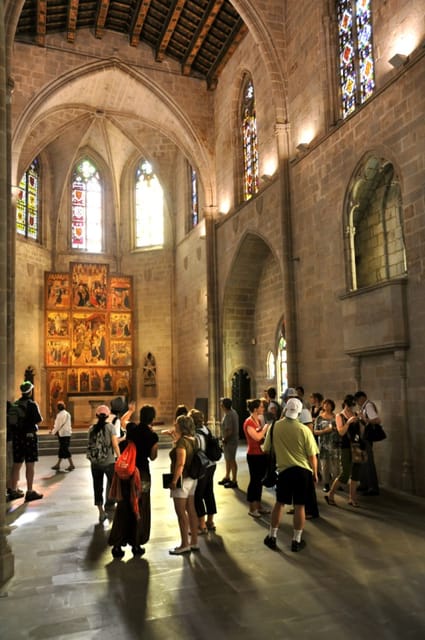
- Chapel of Santa Àgata and the power of religious detail
- Plaça Sant Felip Neri, where the quiet hits hardest
- The Roman trace: seeing Barcino inside a medieval courtyard
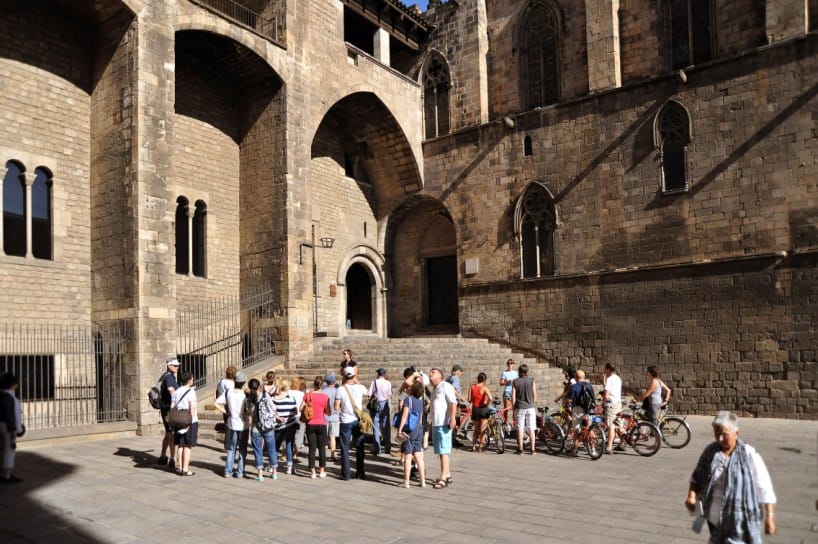
- Plaça del Rei and the feeling of power in the open air
- Carrer del Bisbe and the details that make photos look better
- Museu d’Historia de Barcelona: a guided nudge toward the bigger picture
- Bonus museum for English tours: Museu Frederic Marès after the walk
- Value check: $32 for context, not just landmarks
- Who should book this Gothic Quarter walk
- Common considerations (so there are no surprises)
- Should you book it?
- FAQ
- How long is the Barcelona 2-Hour Gothic Walking Tour?
- Where is the meeting point?
- What language is the tour offered in?
- What main places do you visit during the walk?
- Is Museu Frederic Marès included?
- What is the price?
- Are there multiple starting locations?
- What is the overall walking time like?
- Can I cancel or pay later?
Key things to know before you go
- Tight 2-hour loop: lots of stops, all clustered in the Gothic area.
- Cathedral focus: you get a guided look with a specific visit to the cloister.
- Roman and medieval side by side: you see how Barcino Roman traces fit into later city life.
- Santa Àgata stop: includes guided time at the Chapel of Santa Àgata.
- Plaça Sant Felip Neri: a calm pause with a moving past.
- English bonus museum: after the walk, the English tour includes Museu Frederic Marès plus some free time there.
Starting in the heart of the Gothic Quarter, not the edge
The tour meets at the tourist information office, look for the small i symbol. That matters because the Gothic Quarter is easy to wander in circles. A good start point helps you get oriented fast, so you spend your energy looking at buildings instead of searching for where to go next.
You’ll then move through the center of the old city on a guided route designed to keep everything within walking distance. The 2-hour format is a real advantage for a first visit, because you leave with the sense of a map in your head, not just a list of monuments.
Reading stone: what makes the Gothic Quarter feel different with a guide
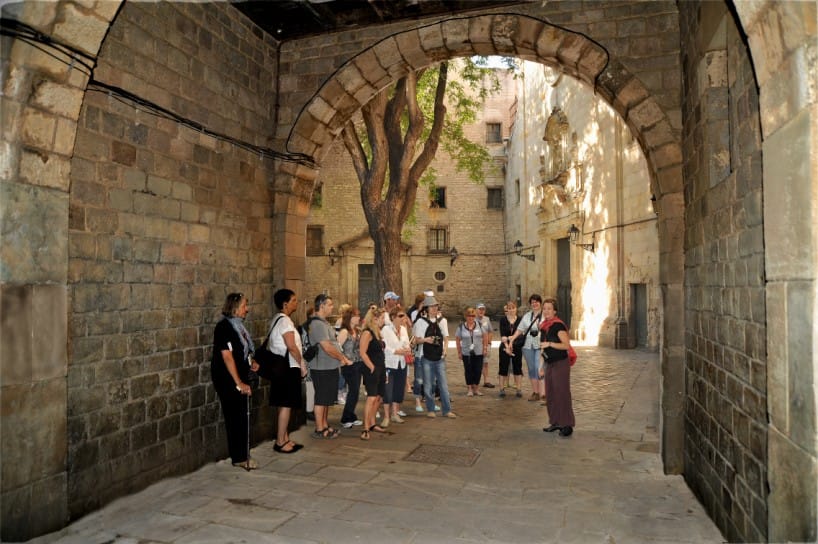
The Gothic Quarter can look like a set from a movie when you first arrive. The real payoff is understanding why these streets feel the way they do. Guides point out architectural clues and historical connections so the place stops being scenery and starts being context.
From the kind of spaces Barcelona kings and elites used to public religious sites, the tour ties locations together thematically. You’ll see stops tied to civic and royal life, plus religious highlights like the Cathedral and the cloister. You’ll also get your bearings for the smaller squares and alleyways that make the area so photogenic.
If you’ve walked the area on your own before, you know how easy it is to miss the “why” and just collect photos. This is the opposite approach. You learn what to look for, then you can return later and spot those details again on your own.
Get lost in the medieval lanes
- Barcelona all included: Sagrada, Park Güell, Montjuic & Gothic
★ 5.0 · 2,169 reviews - Barcelona Gothic Quarter Tapas & Taverns Food & Wine Tour
★ 5.0 · 1,470 reviews - Barcelona: Old Town and Gothic Quarter Walking Tour
★ 4.8 · 1,393 reviews
Saló del Tinell and the political pulse of medieval Barcelona
One of the highlights is passing by major historic spaces such as Saló del Tinell. Even if you only get a view from the right angle, it helps to know what kind of place it is. Think: a setting where power and ceremony would have mattered, not just a pretty hall carved into the city’s fabric.
This is where the tour’s value starts to show. The Gothic Quarter is full of big, dramatic buildings, but the in-between spaces often tell the story too. A guide helps you understand how people would have moved, gathered, and lived around these monuments.
I like this stop because it gives you a sense of scale. You start to see the city as something built for gatherings, not just sightseeing.
Barcelona Cathedral and the cloister visit that people remember
The Barcelona Cathedral is the centerpiece stop, and the cloister visit is the part that makes it feel real. From soaring Gothic forms to quieter enclosed spaces, the cloister gives you a different rhythm than the street scenes.
A guided visit matters here because the Cathedral can be overwhelming if you just look up and keep walking. With a guide, you get cues for what you are seeing, why it’s arranged the way it is, and how it fits the timeline of the city.
You also come out of this section with a calmer way to explore. After the Cathedral, the surrounding alleys and squares click into place because you’ve already learned the language of the area.
Chapel of Santa Àgata and the power of religious detail
Next comes a visit to the Chapel of Santa Àgata, which is one of those stops you could walk past without realizing how meaningful it is. The tour frames the chapel in a way that connects religion, daily life, and the city’s historical layers.
This is also a good example of what makes a guided walk better than a self-guided one: you get explanations tied to the building itself, not just a general statement about Gothic architecture.
If you like smaller spaces with strong atmosphere, Santa Àgata is worth paying attention to. It shifts the tour from big icons to focused detail, which keeps things interesting when you’re walking for two hours.
Plaça Sant Felip Neri, where the quiet hits hardest
You’ll make time for Plaça Sant Felip Neri, a tranquil square that feels like a reset button after busier Gothic streets. The tour highlights its baroque church and the pockmarked walls linked to Spanish Civil War bombings.
That combination, calm space plus visible marks of conflict, gives this stop extra weight. The square also works well as a breathing moment. You can look around, take a few photos, and then keep going with less sensory overload.
This is one of the places where I think the guide experience really matters. You get the emotional context without turning the walk into a lecture.
Short on time? This still fits
- Barcelona: 2-Hour City Sights Guided Segway Tour★ 4.9 · 610 reviews
- Barcelona: 2-Hour Sailboat Tour with Snacks and Drinks★ 4.8 · 357 reviews
- 2-Hour Sailing Tour in Barcelona with Open Bar & Snacks★ 5.0 · 318 reviews
- Jewish Walking Tour Barcelona by Expert Jewish Guide 2h★ 5.0 · 297 reviews
- Barcelona Grand 2-Hour Segway Tour★ 4.8 · 240 reviews
- Barcelona: 2-Hour Segway Tour★ 4.9 · 216 reviews
The Roman trace: seeing Barcino inside a medieval courtyard
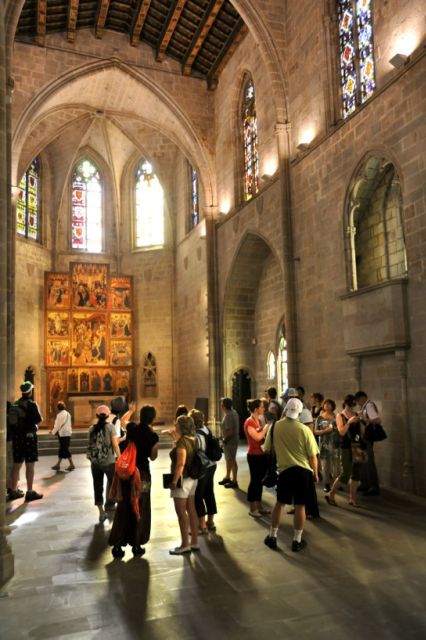
Another standout element is learning about the Roman Temple of Augustus, a relic of Roman Barcelona (Barcino) tucked away in a medieval courtyard. The idea is simple but satisfying: you realize the Gothic Quarter isn’t starting from scratch in the Middle Ages. It’s built on top of earlier life.
A good guide helps you notice how that “Roman inside medieval” setup works. You stop seeing the city as separate eras, and start seeing it as one long conversation across centuries.
This part of the tour is especially valuable if it’s your first time in Barcelona. It gives you a mental timeline you can keep using as you visit other neighborhoods later.
Plaça del Rei and the feeling of power in the open air
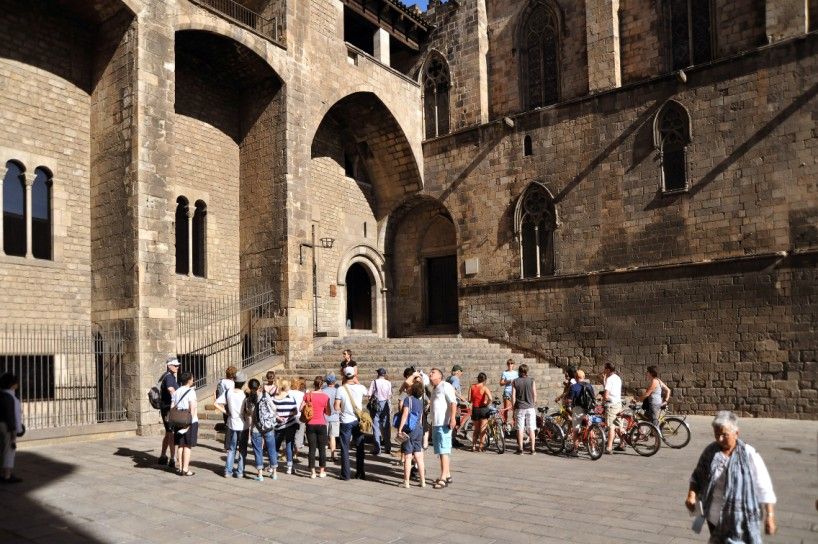
Plaça del Rei is one of the most atmospheric squares in the whole old city area. It’s also a strong anchor stop because squares like this are where the city’s social life becomes visible.
The tour helps you connect royal and civic spaces in a way that’s easy to remember. If you walk away thinking, Oh, that’s why the square feels important, then the guide did the job.
This section is also a good chance to slow down, look at the facades, and take in the building lines that frame the square.
Carrer del Bisbe and the details that make photos look better
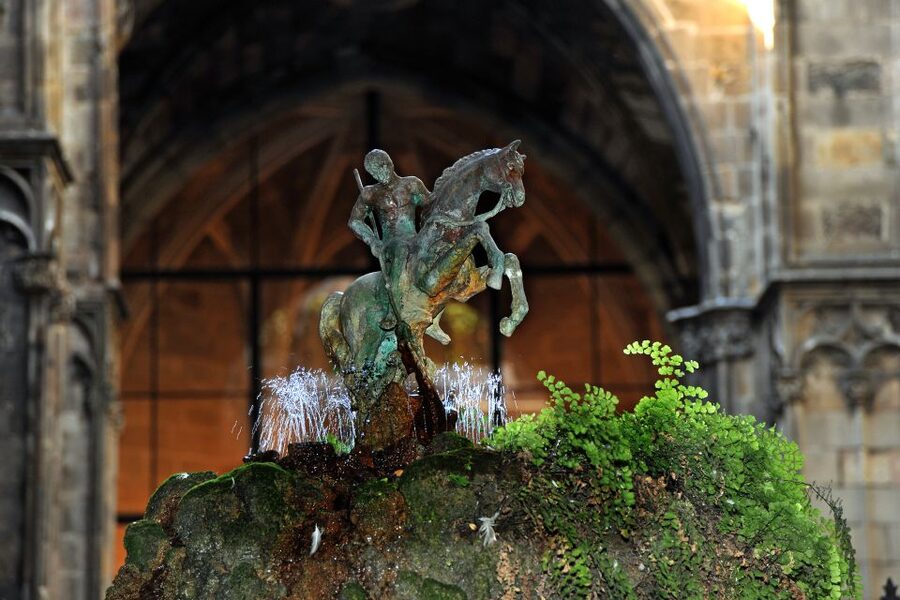
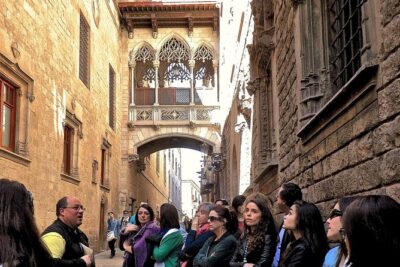
Carrer del Bisbe is where the Gothic Quarter starts to look like a postcard, but the tour pushes you to look beyond the obvious. Flower-filled balconies and Gothic facades are great, but the benefit is learning what to notice in the architecture and streetscape.
I like this kind of stop because it teaches you to travel with your eyes open. After the walk, you can keep spotting clues as you wander independently, especially if you come back to this area later in your trip.
Museu d’Historia de Barcelona: a guided nudge toward the bigger picture
The tour includes a guided visit connected to Museu d’Historia de Barcelona. This is a helpful move because it stops the experience from being only walking and looking. When you get some museum context, the city streets feel less like random scenery and more like a curated story of how Barcelona changed.
Even if you’re not a “museum person,” this slot can make the rest of your sightseeing smoother. You’ll understand why certain themes keep repeating: power, faith, trade, and neighborhood identity.
Bonus museum for English tours: Museu Frederic Marès after the walk
If you book the English tour, you get free admission to Museu Frederic Marès after the walking part, plus some free time to explore. That’s a smart value add because it keeps your momentum going, and it’s a different kind of Barcelona experience than just stone and squares.
The museum sits in a medieval palace and focuses on a standout collection assembled by artist Frederic Marès. Expect sculptures, antique curiosities, and personal artifacts. You can also wander through galleries that include medieval religious art as well as everyday objects from the 19th century.
I like the “free time” piece here. A guided walk gets you oriented, then the museum gives you room to go at your own pace. You don’t have to rush to fit someone else’s agenda.
If you enjoy strange-but-fascinating objects, this bonus stop can be a great way to end the day.
Value check: $32 for context, not just landmarks
At $32 per person for a 2-hour guided walk, you’re paying for interpretation. That’s the difference between collecting sights and understanding the city.
The best value here comes from three things:
- You get a guide for the Cathedral and cloister time, plus Chapel of Santa Àgata.
- You learn connections between eras, like Roman Barcelona traces showing up in the medieval city.
- The walk is tightly focused in the Gothic Quarter, so you’re not burning time on long transfers.
And if you’re booking the English version, the added bonus of Museu Frederic Marès (free admission after the walk) can make the overall package feel even more efficient.
You do not need to be a hardcore history fan either. Reviews highlight that the guides bring stories to life and answer questions, which usually means the experience feels human, not academic.
Who should book this Gothic Quarter walk
This tour fits best if you:
- Want your first Barcelona day to feel organized and meaningful.
- Prefer walking with context, not just photos.
- Like architectural details and want to know what you are looking at.
- Appreciate a guide who can connect Roman, medieval, and later Barcelona into one clear thread.
It’s also a good option if you’re travel timing tight. Two hours is short enough to fit before lunch or after a morning of wandering, and long enough to make the Gothic Quarter feel “decoded.”
Common considerations (so there are no surprises)
The biggest practical consideration is footwear and stamina. Multiple reviews note the walk is genuinely a walking tour for the full duration. If you need long rests, you might feel rushed.
Weather can also affect comfort. One review mentioned rain and the experience still working well, especially because the guide audio included an ear piece. Still, bring a light layer and keep an umbrella in your bag if rain is possible.
Finally, pick this tour if you want interpretation. If you only want quick photo stops and no explanations, you might prefer a simpler self-guided plan.
Should you book it?
Yes, I would book it if you want to understand the Gothic Quarter fast. The Cathedral cloister and Santa Àgata stop are the kind of highlights that turn into real memories once someone points out what you’re seeing. Add the Roman Temple of Augustus context and the emotional pause at Plaça Sant Felip Neri, and you get a walk that feels more like a guided lesson than a sightseeing sprint.
Book it especially if it’s your first time in Barcelona or if you tend to learn more from stories than from plaques. And if you are booking in English, the Museu Frederic Marès bonus is a very solid way to extend the day beyond the streets.
FAQ
How long is the Barcelona 2-Hour Gothic Walking Tour?
The tour duration is 2 hours.
Where is the meeting point?
Meet at the tourist information office, look for the i symbol.
What language is the tour offered in?
The tour is offered in English.
What main places do you visit during the walk?
You’ll have guided time around Barcelona’s Gothic Quarter, including the Barcelona Cathedral (with a cloister visit), the Chapel of Santa Àgata, Plaça Sant Felip Neri, and Museu d’Historia de Barcelona.
Is Museu Frederic Marès included?
For the English tour, Museu Frederic Marès is included after the walking tour, with free time to visit.
What is the price?
The price is $32 per person.
Are there multiple starting locations?
The information lists Plaça Seu, 2 as the starting location option.
What is the overall walking time like?
It is a guided walking tour for the full 2-hour duration, so expect steady walking.
Can I cancel or pay later?
Yes. You can reserve now and pay later, and you can cancel up to 24 hours in advance for a full refund.
More Walking Tours in Barcelona



The latest to open for booking




Gothic Quarter Walks, side by side.
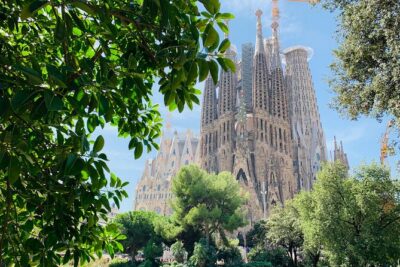
Barcelona all included: Sagrada, Park Güell, Montjuic & Gothic
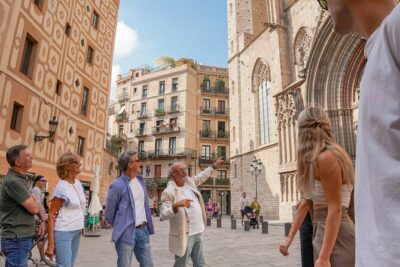
Read our review →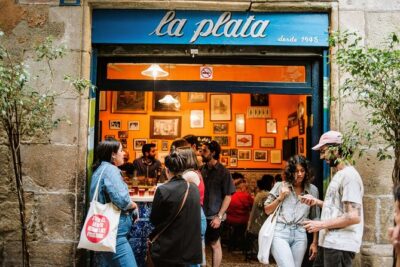
Barcelona Gothic Quarter Tapas & Taverns Food & Wine Tour
Read our review →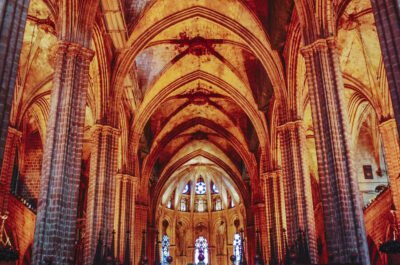
Barcelona Old Town & Gothic Quarter Small Group Tour
Read our review →
Ramblas, Old Town, Gothic and Gaudi Architecture Walking Tour
Read our review →
El Born and Gothic Quarter Wine & Tapas Bar Tour
Read our review →
El Born Food Walking Tour with Tapas and Drinks
Read our review →
Kids and Family Gothic Quarter Walking Tour in Barcelona
Read our review →Where else this one turns up