Reviewed · TICKETS & ENTRY PASSES
Barcelona: Sant Pau Recinte Modernista Entry Ticket
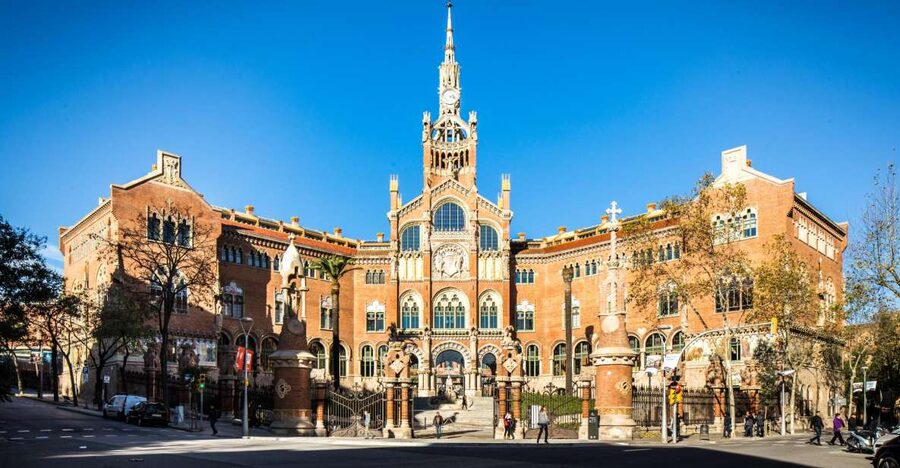
Sant Pau is the Art Nouveau surprise that feels calming. I love how Barcelona’s early 1900s health design shows up in Sant Pau Recinte Modernista and how the complex turns Art Nouveau details into something you can actually walk through. It is a world-scale hospital campus, built from 1905 to 1930, designed by Lluís Domènech i Montaner.
I also like the pacing. You can stroll at your own speed through gardens and renovated pavilions, and the site stays peaceful even when Barcelona feels hot and loud. One more thing I really enjoyed was how the connection between buildings shows up clearly in the underground passageways.
One possible drawback is that this is an entry ticket, not a guided tour. If you want a human to point out the meaning behind every sculpture and stained glass panel, you may want to add an audio guide or be ready to read the signage closely.
In This Review
- Key highlights you should not miss
- Sant Pau Recinte Modernista, the Barcelona sight that feels like a timeout
- Price and value: what $21 buys you in real time
- Getting there: the meeting point and how to arrive without stress
- First impressions inside the entrance: finding your rhythm fast
- The garden-city hospital plan: why Sant Pau’s layout feels clever
- Pavilions and courtyards: where the architecture does the talking
- Stained glass, mosaics, and sculpture: where to spend extra time
- Underground passageways and tunnels: the part that surprises most people
- Medical displays and recreated rooms: how the site explains its own purpose
- Sant Pau today: from public hospital to a knowledge campus
- How long to plan, and the timing that helps
- Practical tips that make the visit better
- Who should book this Sant Pau ticket
- Should you book Sant Pau Recinte Modernista Entry Ticket?
- FAQ
- How long is the Sant Pau Recinte Modernista visit?
- Is a guided tour included with the ticket?
- Where is the meeting point?
- Is the site wheelchair accessible?
- Are pets allowed inside Sant Pau Recinte Modernista?
- Are children allowed to visit?
- Is there free access for seniors?
Key highlights you should not miss
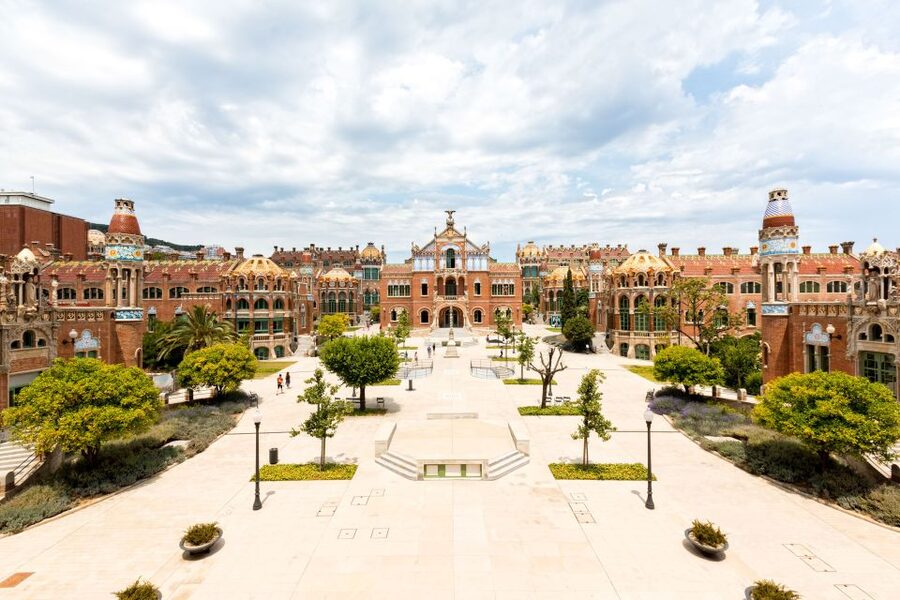
- World’s largest Art Nouveau complex at Sant Pau Recinte Modernista, built 1905 to 1930
- Garden-city hospital design by Lluís Domènech i Montaner, planned for hygiene and care
- Underground passageways that connect pavilions, with sculptures, stained glass, and mosaics
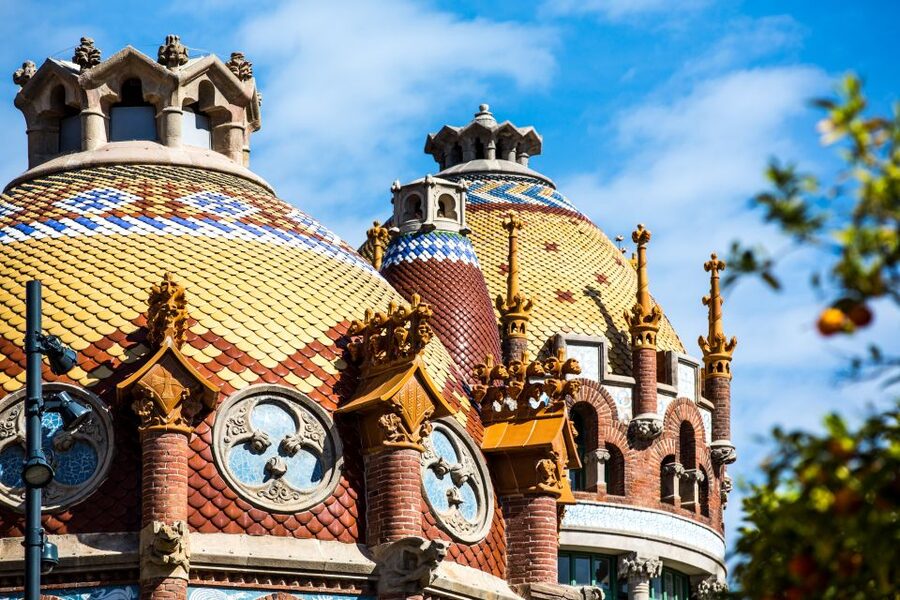
- Art Nouveau artwork everywhere, including mosaics you often see best from the side
- A calm break from the city, with spacious outdoor areas for resting and photos
Sant Pau Recinte Modernista, the Barcelona sight that feels like a timeout
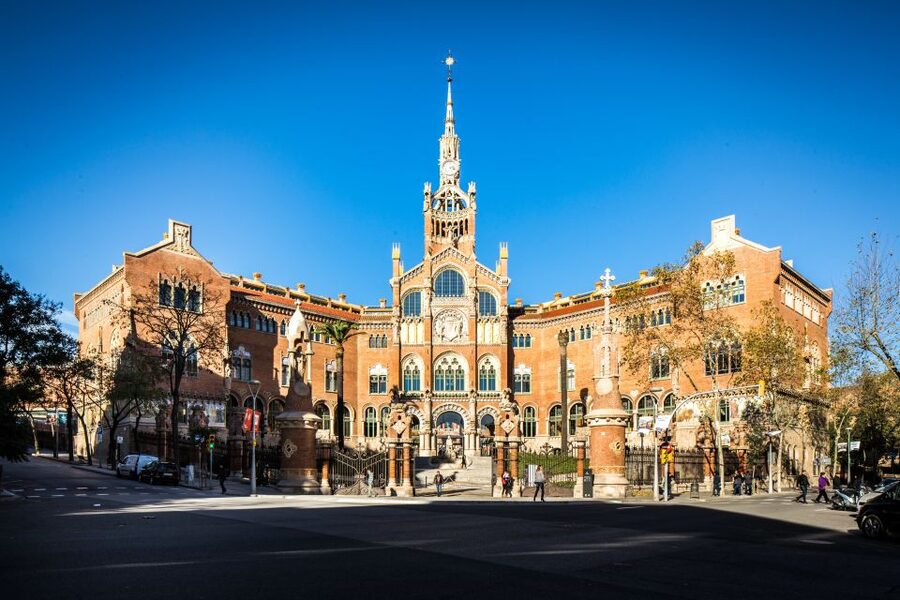
Sant Pau is not a quick photo stop. It is an entire “city within a city” built for healing, with architecture and nature working together on purpose. In Barcelona terms, it feels different from the usual pile of stone you rush past, because here you are meant to slow down and look.
I love that the complex is both beautiful and functional. The pavilion layouts, courtyards, and gardens are not decoration for decoration’s sake. They reflect an early 20th-century idea that clean air, light, and thoughtful planning mattered for patient recovery.
And yes, it is very Modernista, the Catalan style sibling of Art Nouveau. The details are the main event, from stone carvings to stained glass and mosaic work. If you enjoy other Modernista landmarks, this one belongs on your must-do list.
Price and value: what $21 buys you in real time
At about $21 per person, the ticket price is reasonable for what you get: entry to a major monument plus a visit that typically takes around 1.5 hours. Since this is not a guided tour, the value is mostly in the self-paced experience. You control how long you stay in courtyards, how often you stop to look up, and whether you follow the passageways more than once.
If you are the type who likes to read and connect dots, you can turn the 1.5 hours into closer to two. Some visitors end up exploring for about two hours, especially if you enjoy architecture or you stop at the medical displays and recreated hospital spaces.
If you are short on time and you only do the biggest courtyard and the quickest pavilion walk, the ticket still works. The complex is compact enough to see a lot without needing a guide. The key is to show up with the right expectations: you are buying access to an incredible site, not narration.
A hospital built like a palace
- Sant Pau Recinte Modernista Entrance Ticket in Barcelona
★ 4.5 · 230 reviews - Palau de la Música & Sant Pau Modernist Site
★ 4.6 · 47 reviews - Sant Pau Art Nouveau Site Skip The Line | Sant Pau Hospital
★ 4.5 · 21 reviews
Getting there: the meeting point and how to arrive without stress
Your meeting point is Calle Sant Antoni Maria Claret, 167, 08025 Barcelona. That is helpful because SatNav does not always behave in dense neighborhoods, and one review warned that navigation can send you in the wrong direction. I would rather you check twice than arrive late and feel rushed.
Getting around is easier than you might fear. There is a metro station nearby and, according to a review, it even offers a direct route to the airport. That makes Sant Pau a smart choice if you want something cultural before you fly out.
Plan to arrive a bit early. When people show up right at opening, the site can feel calm, with less of the squeeze you get at Barcelona’s most famous landmarks.
First impressions inside the entrance: finding your rhythm fast
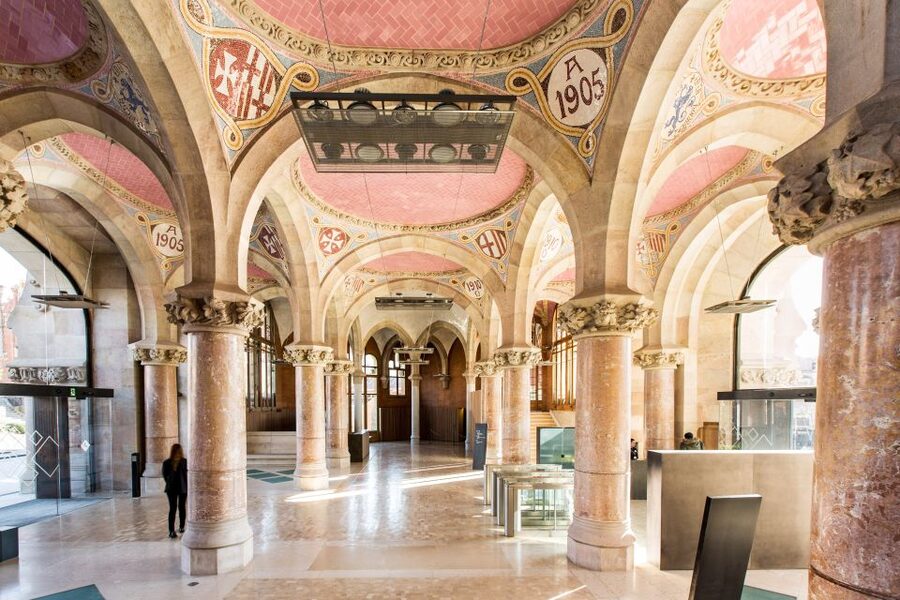
Once you enter, take a minute to orient yourself. The site is a network, not a straight corridor. You are moving between pavilions, crossing courtyards, and connecting via passageways, including the underground sections.
A trick that works: start by walking the main loop once, then return for the places that catch your eye. That way, you do not miss the major highlights, and you still get time to slow down for the details.
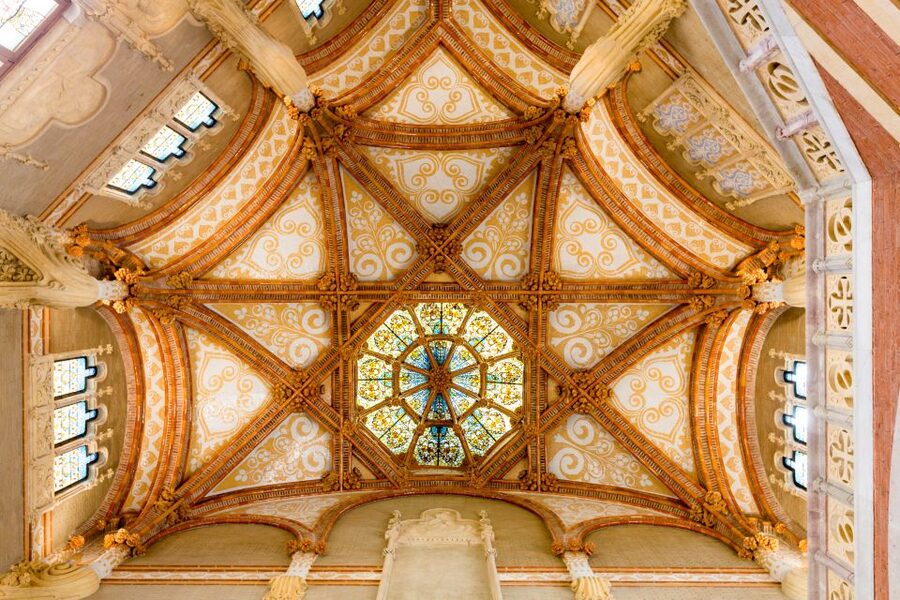
Also, give yourself permission to look up. One of the most useful bits from reviews is that the colors and carvings can pop most when you pay attention above eye level, not only at the floors and doorways.
The garden-city hospital plan: why Sant Pau’s layout feels clever
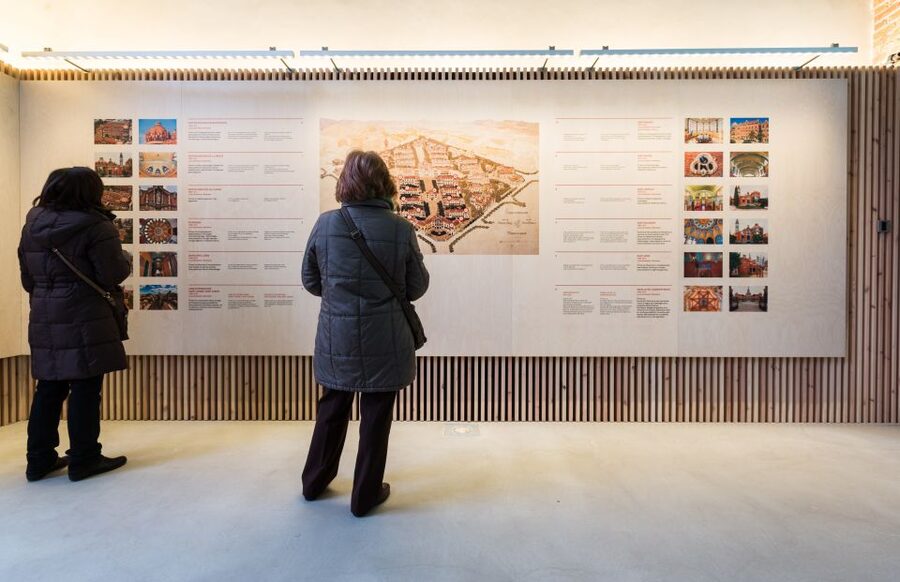
Sant Pau was originally intended as a garden city for nursing the sick. It was built to relocate an older Hospital de la Santa Creu that had become too small, and the new project was driven by breakthroughs in health and hygiene.
You feel this logic as you move. The gardens and the spacing between pavilions are not random. They reinforce the idea of fresh air and separation between spaces, while still keeping the buildings part of one coherent system.
For me, the best part is how the design tells a story without forcing it. You start noticing how the complex balances open outdoor areas with sheltered interior spaces. It is an early example of patient-centered planning, long before the word “wellness” became a marketing buzzword.
Pavilions and courtyards: where the architecture does the talking
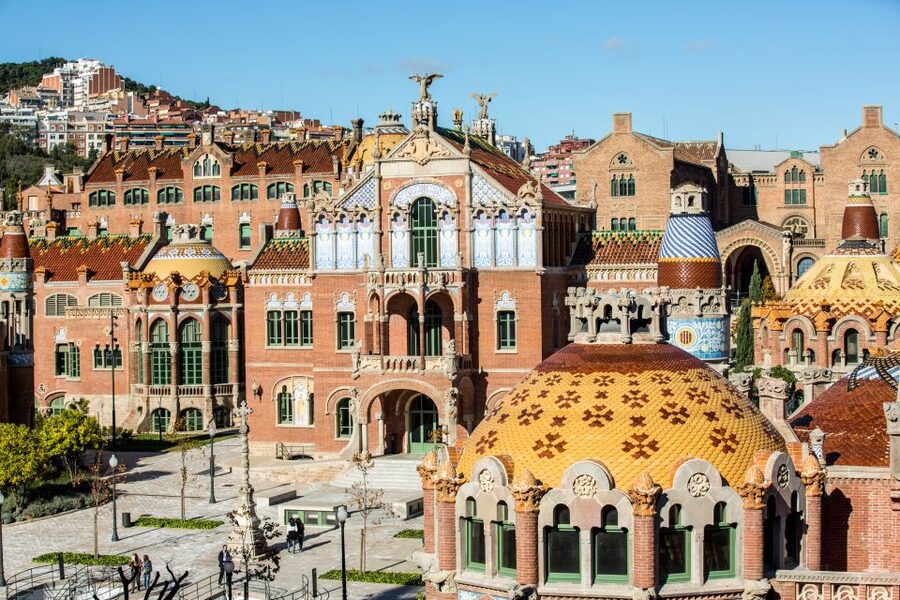
The heart of your visit is the combination of pavilions set within gardens. This is where Lluís Domènech i Montaner’s Modernista language becomes physical and immersive in the practical sense.
What to look for:
- Decorative stone and sculptural elements on exterior facades
- Courtyard views that open up like framed pictures
- Interior areas where the building layout makes sense for movement and care
Some visitors also call attention to how the experience connects with medical themes, including museum-like hospital rooms and medical instruments from the period. If you are interested in medicine, you may find yourself lingering longer than planned.
One small but real tip from reviews: walking around the sides of the front buildings helps. That is often where you catch the mural mosaics better, because angles matter with mosaic and sculpture work.
Other things to see around Barcelona
- Barcelona: Sagrada Familia Entry Ticket with Audio Guide★ 4.6 · 105,312 reviews
- Barcelona: Park Güell Admission Ticket★ 4.4 · 76,534 reviews
- Barcelona: Montjuïc Cable Car Roundtrip Ticket★ 4.5 · 22,368 reviews
- Barcelona Aquarium: Entry Ticket★ 4.4 · 16,717 reviews
- Barcelona: Sagrada Familia Skip-the-Line Entry Ticket & Tour★ 4.8 · 12,789 reviews
- Barcelona: FC Barcelona Museum “Barça Immersive Tour” Ticket★ 4.4 · 10,944 reviews
Stained glass, mosaics, and sculpture: where to spend extra time
Sant Pau is full of “supporting characters” that make the main cast look even better. Stained glass and mosaics appear throughout the complex, and they can be easy to miss if you only scan quickly.
If you want to make your visit feel like more than sightseeing, choose a few detail goals:
- Find one stained glass feature and compare it to a mosaic nearby
- Look for sculptural motifs that repeat across different buildings
- Spend one extra turn outside on each main pavilion, not just inside
You can also get a sense of how the complex is meant to be walked. The underground passageways do not just connect places. They act like corridors for artwork, so you see craftspeople’s work in motion, not only pinned to a wall.
And yes, take breaks outdoors. A review mentioned the spacious outdoor areas as a great spot to relax and even picnic. If Barcelona is blasting sun that day, that option matters.
Underground passageways and tunnels: the part that surprises most people
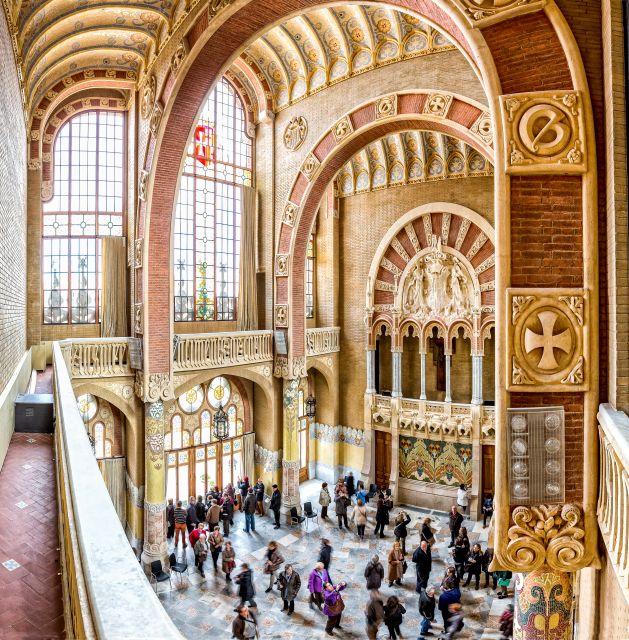
If you think “hospital” and picture plain corridors, Sant Pau will recalibrate your mental image. The complex includes underground passageways connected to each building. One review even calls out tunnels under the hospital attached to each building.
Why this matters for your experience:
- It makes the campus feel like a connected system, not isolated buildings
- It lets you move between spaces without losing the sense of calm
- It gives you another stage for artwork, including stained glass and mosaics
This is also where history becomes tangible. The design choices show how planners thought about movement, separation, and patient experience at the time.
If you like architecture, this section is a highlight. If you love science or medical history, it is an especially satisfying moment, because the building itself acts like a display of ideas.
Medical displays and recreated rooms: how the site explains its own purpose

Even without a guided tour, Sant Pau communicates through what is open and what is shown in the spaces. Several reviews point to the idea that the hospital rooms and displays are set up in a way that helps you picture operations at the time the hospital opened.
One review specifically mentions a hospital room set up in 1932 when the site opened, and another calls out medical instruments of the era. If you are the type who enjoys artifacts and functional design, this portion can be more moving than you expect.
Also note a useful caution. A review said signage could be improved, particularly for directing the next direction outside and inside. So if you get turned around, you are not alone. Using your phone camera to mark the route you came from can save time, since you can then backtrack to the main loop.
Sant Pau today: from public hospital to a knowledge campus
Sant Pau used as a public hospital for about a century, then it was refurbished back toward its former splendor. Today, it functions as a knowledge campus, with international organizations using the space.
In practical terms for you, this gives the complex an extra layer. You are not looking at a sealed-off museum only. You are visiting a place still active in modern work and study.
Specific organizations mentioned include the European Forest Institute, Casa Àsia, the Global University Network for Innovation, and the United Nations University Institute on Globalization, Culture, and Mobility. That blend of health heritage and global learning makes the visit feel relevant, not just historic.
How long to plan, and the timing that helps
Even though the ticket is for a visit on a day of your choosing, most people settle into a 1.5-hour walk-through range. A few reviews suggest around two hours works well if you stop often, read carefully, and take in details like mosaics from multiple angles.
Timing matters. One review described arriving at 9.30am and feeling like they had the place to themselves. That tells you the early window can feel extra calm, which is exactly what you want at Sant Pau.
If your Barcelona day includes Sagrada Família and other big names, Sant Pau can be a balancing act. It is close enough to fit into a classic itinerary, but different enough that you feel a genuine change of pace.
Practical tips that make the visit better
A few small things can make your hour and a half much smoother.
First, bring comfortable shoes. You are walking between pavilions and moving through passageways, so it is more than a quick perimeter stroll.
Second, use lockers if you have bags. Reviews mention lockers, and one visitor noted that the space felt suitable for carry-on only. If you travel light, you might not need this, but if you have luggage or shopping bags, lockers are a lifesaver.
Third, if you care about context, consider an audio guide or any on-site explanation options. Several reviews recommend getting an audio guide, and one person mentioned an explanation video. This matters because you are not paying for a guided tour here, and self-paced monuments can benefit from extra narration.
Finally, avoid skipping the outdoor areas. The gardens are part of the design story, and they also cool you off when the city heats up.
Who should book this Sant Pau ticket
This is a great fit if you:
- Love architecture and want Art Nouveau at full scale, not just as a facade
- Enjoy medical history, design, and how spaces influence care
- Want a calm stop that is still one of Barcelona’s standout monuments
- Prefer self-paced visits over standing in a group waiting for answers
It might be less ideal if you:
- Want a traditional guided tour experience with a person leading the whole way
- Need a tightly scripted route with minimal reading
- Are looking for a snack and shopping stop inside the complex (one review wished for a cafe)
Should you book Sant Pau Recinte Modernista Entry Ticket?
I think you should book it if you want a Barcelona experience that feels quieter, smarter, and more spacious than the famous big-ticket sights. For the price, you get access to a world-class Art Nouveau hospital campus with gardens, artwork, and underground passageways, plus time to explore without a strict schedule.
If you are on the fence about the lack of a guided tour, here is the compromise: go prepared to look closely. Bring curiosity, spend time with the signage, and consider an audio guide if it is available on site. With that approach, the ticket becomes more than an entry fee. It turns into a story you walk through.
FAQ
How long is the Sant Pau Recinte Modernista visit?
The tour experience is planned for about 1.5 hours, and you should plan around that time to see the pavilions, gardens, and connected passageways.
Is a guided tour included with the ticket?
No. This ticket includes entry to Sant Pau Recinte Modernista, but it does not include a guided tour.
Where is the meeting point?
The meeting point is Calle Sant Antoni Maria Claret, 167, 08025 Barcelona.
Is the site wheelchair accessible?
Yes. The experience is wheelchair accessible.
Are pets allowed inside Sant Pau Recinte Modernista?
No. Pets are not allowed.
Are children allowed to visit?
Yes. Children 11 and under are permitted, and there is free admission for participants under age 12, as long as a parent or guardian is present.
Is there free access for seniors?
Yes. On the first Sunday of the month, visitors over 65 years old can enjoy free access to Sant Pau Recinte Modernista.
The latest to open for booking





Tickets & Entry Passes, side by side.
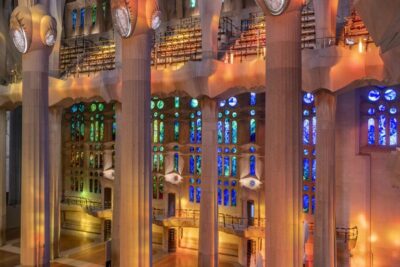
Sagrada Familia Entry Ticket with Audio Guide
Read our review →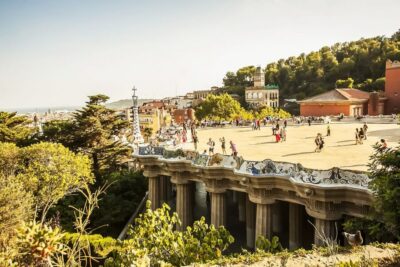


Sagrada Familia Skip-the-Line Entry Ticket & Tour
Read our review →
FC Barcelona Museum “Barça Immersive Tour” Ticket
Read our review →
Park Guell Guided Tour with Skip the Line Ticket
Read our review →