Reviewed · TICKETS & ENTRY PASSES
Sant Pau Recinte Modernista Entrance Ticket in Barcelona
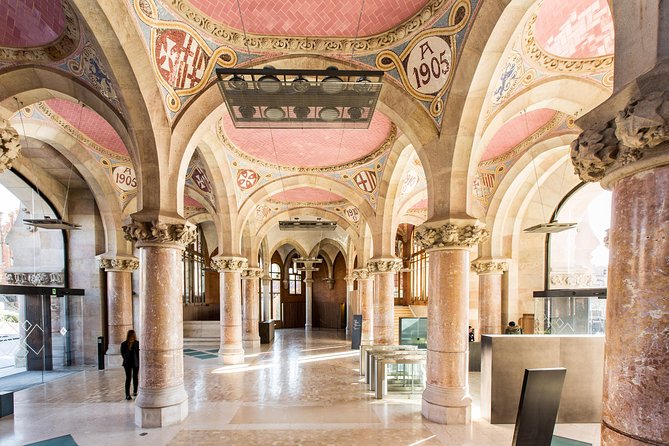
Sant Pau Recinte Modernista has a calming kind of surprise. You get one of Europe’s biggest Art Nouveau hospital complexes, and you can explore it at your own pace, pavilions, tunnels, and all. The big draw is the mix of medicine and Modernisme design, plus the fact that a prebooked ticket helps you avoid the most annoying waiting.
I really like the self-guided setup because you can linger where your eye goes. One highlight is the start point in the Administration Pavilion, where you’ll find an interactive touch table and a video presentation that puts the whole place in context. Another is the way the route naturally strings together restored spaces, from the Sant Salvador story area to the Sant Jordi Pavilion’s rotating temporary exhibitions.
The one drawback to plan around is that self-guided can feel slightly hard to follow. Some signage and routes have been described as confusing, and on a few visits sections were blocked off during special events, so build in extra time and keep your sense of direction flexible.
In This Review
- Key Highlights You’ll Want on Your Radar
- Sant Pau Recinte Modernista, What Makes This Barcelona Stop Feel Special
- Price and Logistics: What You Pay, What You Actually Get
- Mobile Ticket Entry and Where to Begin in the Complex
- The Self-Guided Route That Works If You Let It
- Stop-by-Stop: Sant Salvador to Sant Jordi Pavilion
- Administration Pavilion: Where the Story Starts
- Sant Salvador Pavilion: The Hospital Timeline
- Underground Tunnels: The Surprise That Makes It Feel Like a Real Hospital
- Restored Sant Rafael Pavilion and the Old Surgery Room
- Lluís Domènech i Montaner Room and Pau Gil Room
- Main Hall: The Big Central Pause
- Sant Jordi Pavilion: Rotating Temporary Exhibitions
- Architecture Details to Hunt For: Stained Glass, Domes, and Sculptures
- How Much Time to Plan, and When Sant Pau Feels Most Enjoyable
- Value Check: Is This Worth $21.78 for a Self-Guided Visit?
- Who Should Book Sant Pau, and Who Might Prefer Another Option
- Should You Book Sant Pau Recinte Modernista Tickets?
- FAQ
- How long should I plan to visit Sant Pau Recinte Modernista?
- Is a guide included with the ticket?
- What language is available for the experience?
- Where do I start my visit inside the complex?
- Is my ticket mobile?
- Where is Sant Pau Recinte Modernista located?
- Do I need to prebook?
- Are there audio or narration options?
- Can I cancel for a refund?
- Are service animals allowed?
Key Highlights You’ll Want on Your Radar
- Prebooked entry to a very popular site, so you spend less time stuck waiting
- Self-guided pacing that lets you control how long you stare at details
- Underground tunnels that connect pavilions and hint at how patients moved through care
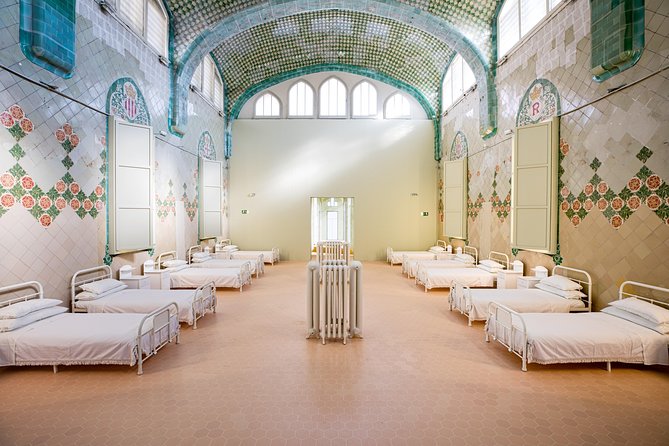
- Art Nouveau hospital spaces, including restored pavilions and historic rooms
- English materials, plus optional narration devices reported by some visitors
- Rotating exhibitions at the Sant Jordi Pavilion, so repeat visits can feel fresh
Sant Pau Recinte Modernista, What Makes This Barcelona Stop Feel Special
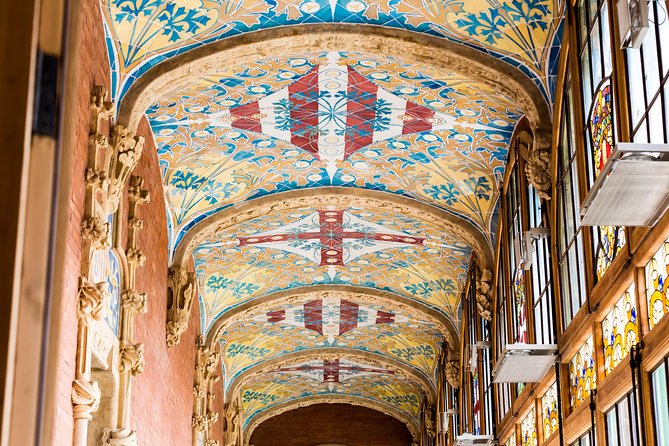
Sant Pau is not your typical museum. It’s an active complex of pavilions built in the Modernisme spirit, and the whole idea makes sense: light, air, gardens, and a layout designed for medical care. Even if you only care about architecture, the place tells a story about how people tried to improve treatment.
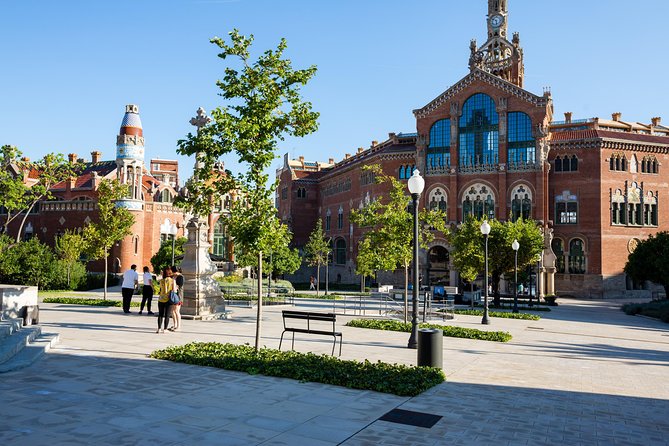
The setting helps too. This is a large site, but it doesn’t feel like a packed landmark where you’re herded every minute. The gardens and the open-air courtyards give you little pauses, which makes it easier to enjoy Barcelona without jumping from one crowded photo stop to the next.
And if you’re the type who likes “why” as much as “what,” Sant Pau delivers. You get an entire network of spaces tied to the Hospital de la Santa Creu i Sant Pau, including underground tunnels and restored rooms with names that connect directly to the hospital’s evolution.
Price and Logistics: What You Pay, What You Actually Get
The ticket price is $21.78 per person, and it includes admission to Sant Pau Recinte Modernista. For Barcelona, that’s a fair price for a site this big, especially because the time you save can be meaningful at peak hours. You’re not buying a bus ride, and you’re not buying a generic “quick photo.” You’re paying for access to a full complex you can walk through slowly.
What’s not included is also important. There’s no guide included in the ticket. That means you’ll rely on the site’s materials, plus whatever audio or narration support you decide to use if you want it. If you’re the type who loves a human explanation, you may feel you get more value from a guided option elsewhere, but the self-guided design here is built for independent visitors.
Timing-wise, plan for 1 to 2 hours. That range is realistic because the complex covers a lot of ground, including outdoor sections and tunnels. If you rush, you’ll still see the big highlights. If you take your time, you can enjoy both the architectural details and the medical history without feeling chased.
A hospital built like a palace
- Barcelona: Sant Pau Recinte Modernista Entry Ticket
★ 4.6 · 2,567 reviews - Palau de la Música & Sant Pau Modernist Site
★ 4.6 · 47 reviews - Sant Pau Art Nouveau Site Skip The Line | Sant Pau Hospital
★ 4.5 · 21 reviews
Mobile Ticket Entry and Where to Begin in the Complex
You’ll receive a mobile ticket, and entry is designed for quick scanning at the site. Practically, this means you should have your phone charged and your ticket easy to find. When you arrive, you start at the Administration Pavilion area.
One helpful detail is that you can begin your visit at the Administration Pavilion anytime during opening hours. So if your timing in Barcelona changes because of weather or transit, you’re not locked into a single minute. You’re still visiting at your booked time window, but the site’s flow gives you some flexibility.
Getting there is also simple. Sant Pau is on Sant Antoni Maria Claret in central Barcelona and is near public transportation. If you’re pairing this with other sights, you’ll likely be able to route there without a long taxi dependency.
The Self-Guided Route That Works If You Let It
This is a self-guided experience, so success comes down to how you pace. The site is large enough that you should expect some walking between pavilions, plus stairs or tunnel sections. If you like to read every label, give yourself closer to the high end of the time range.
The good news is that the visit is structured. After you start in the Administration Pavilion, you move through themed spaces that explain what the hospital was, how it was designed, and how care evolved over time. You’ll also use interactive materials like the touch table and a video presentation, which help you connect design choices to medical thinking.
A few visitors note that self-guided directions can be hit-and-miss. To reduce frustration, keep a quick “check-in habit” as you move, pause when you reach a major junction, and don’t assume you’ve seen everything just because you’ve found one standout hall. If some parts are closed or blocked due to events, your best strategy is to keep walking and let the route you can access become the real experience.
Stop-by-Stop: Sant Salvador to Sant Jordi Pavilion
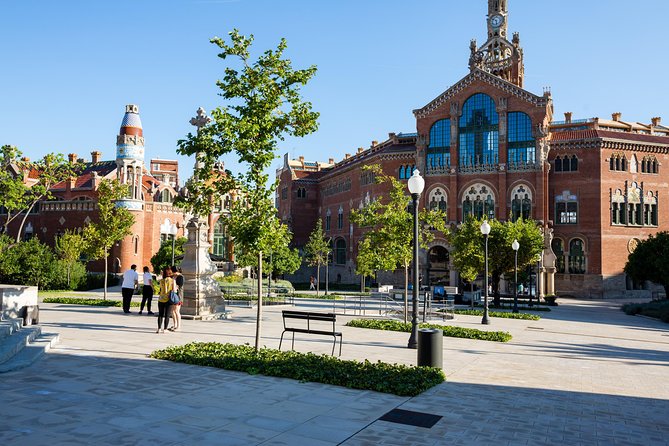
Administration Pavilion: Where the Story Starts
You can begin here any time during opening hours. It’s a strong first stop because it frames the complex with clear context, including an interactive touch table and a video presentation focused on the site’s contribution to medicine and its artistic heritage. If you arrive with no background, this is your fast start.
This is also where you’ll start building the “mental map” you need later. The Administration Pavilion helps you understand why the site is laid out the way it is, and once you get that, the pavilions and tunnels start feeling like one system instead of separate buildings.
Other things to see around Barcelona
- Barcelona: Sagrada Familia Entry Ticket with Audio Guide★ 4.6 · 105,312 reviews
- Barcelona: Park Güell Admission Ticket★ 4.4 · 76,534 reviews
- Barcelona: Montjuïc Cable Car Roundtrip Ticket★ 4.5 · 22,368 reviews
- Barcelona Aquarium: Entry Ticket★ 4.4 · 16,717 reviews
- Barcelona: Sagrada Familia Skip-the-Line Entry Ticket & Tour★ 4.8 · 12,789 reviews
- Barcelona: FC Barcelona Museum “Barça Immersive Tour” Ticket★ 4.4 · 10,944 reviews
Sant Salvador Pavilion: The Hospital Timeline
The Sant Salvador Pavilion offers a historical overview, describing the Hospital de la Santa Creu i Sant Pau from its founding in 1401 up into the 21st century. The design here helps you see the long arc of the institution, which makes the later rooms feel more meaningful.
If you only have time for one history-focused stop, this is the one. It sets the stage, so when you later enter restored areas, you’re not just looking at pretty architecture, you’re understanding why those spaces mattered.
Underground Tunnels: The Surprise That Makes It Feel Like a Real Hospital
One of the most distinctive parts is the network of underground tunnels. These corridors wind through the building complex, connecting pavilions and leading out to the gardens. It’s one of those details you can’t fully appreciate from a single exterior glance.
Even if you’re not a hospital history nerd, you’ll likely enjoy this section because it adds a practical, physical logic to the whole place. The architecture becomes functional, not only decorative. You also get that “how did patients move safely” perspective, which makes the site’s medical purpose feel tangible.
Restored Sant Rafael Pavilion and the Old Surgery Room
After the initial history areas, you move into restored spaces. The route includes the Sant Rafael Pavilion and the old Surgery Room, which help show how the hospital’s care spaces were built and used. This is where the site’s careful restoration really lands.
The Surgery Room is especially memorable if you like seeing how design supports function. It also gives you a natural contrast point: you get decorative Art Nouveau details outside, then you step into a space tied to healthcare.
Lluís Domènech i Montaner Room and Pau Gil Room
As you continue, you’ll encounter themed rooms named after major figures tied to the project. The visit includes the Lluís Domènech i Montaner Room and the Pau Gil Room, plus the Main Hall. Since these rooms are explicitly named, they guide your attention instead of making you guess what you’re looking at.
This matters if you’re visiting for architecture. Knowing who’s connected to the design helps you look differently at ornament, structure, and layout. It also makes the whole complex feel authored, not accidental.
Main Hall: The Big Central Pause
The Main Hall is a natural break in the route. If you’re tired from walking, this space can reset you. It’s also a good place to slow down and notice how the building shapes movement, sightlines, and flow between pavilions.
Because the complex is so spread out, a central hall gives you a “center of gravity.” You leave it with a better sense of how the site fits together.
Sant Jordi Pavilion: Rotating Temporary Exhibitions
You end at the Sant Jordi Pavilion, which hosts rotating temporary exhibitions. That’s a small but smart design choice for a museum-like space because it means the site isn’t frozen in time. Your visit can feel slightly different depending on what’s on when you go.
This pavilion makes a practical end point. After walking through historic spaces, you get a shift into something current enough to keep your attention from fading. If you’re also the type who likes to pick up one extra thing to read at the end of a trip, this is a good finish.
Architecture Details to Hunt For: Stained Glass, Domes, and Sculptures

Sant Pau is packed with visual cues, but you don’t need to memorize everything. If you want a simple “hunt list,” focus on these kinds of details as you move between pavilions and exterior viewpoints.
Start with the exterior stained glass, then look for sculptures and the domes that crown the architecture. These features are easy to spot, and they also connect back to the Modernisme style, which treats the building like a work of art rather than a plain box.
Inside, pay attention to how tilework and surfaces hold up. One theme from visitor feedback is how well the materials and decoration have been restored. That restoration quality is part of why the site feels peaceful and respectful, not like a rushed attraction that’s showing wear.
How Much Time to Plan, and When Sant Pau Feels Most Enjoyable
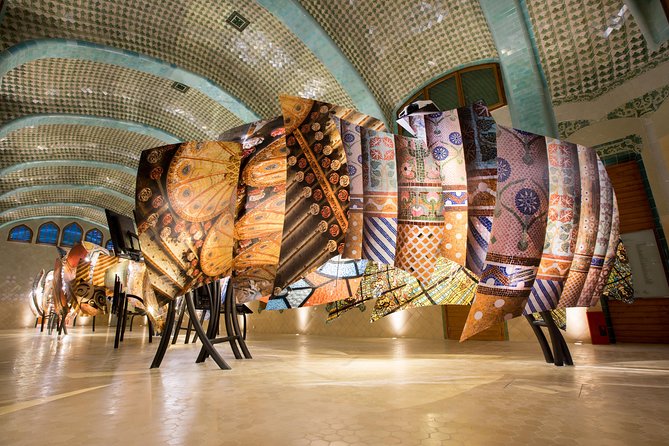
With 1 to 2 hours as a target, you’ll want to choose your pace on arrival. If you want the full feel, I’d plan for closer to 1.5 hours, especially because you’ll likely stop for photos, read a number of signs, and make time for tunnels.
You’ll probably also enjoy the gardens as you move between areas. The site uses outdoor space in a way that makes the visit feel less like an indoor crawl. On hot days, that mix of shade and indoor rooms can make a big difference.
One practical tip: because the site is large, keep water and comfortable shoes in your bag. It’s not an all-flat stroll. The experience includes underground passages and movement between pavilions, so you’ll feel the walking by the end if you’re in sandals.
Value Check: Is This Worth $21.78 for a Self-Guided Visit?
For $21.78, you’re paying for admission to a huge, fully restored complex. You’re also paying for the advantage of prebooking, which matters because this is a popular attraction and entry can get harder during busy periods.
What you do not get is a bundled guide. That’s the trade-off. Instead, the experience relies on on-site explanation, including an interactive touch table and video in the Administration Pavilion. If you want extra support, some visitors report using a paid narration device for a small fee at the entrance, which can help make the self-guided route easier.
So your value comes down to your style:
- If you like independent travel and reading at your own pace, this is strong value.
- If you want constant interpretation and route control, you might wish it included a guide, or you might pair it with a guided option elsewhere.
Either way, you’re seeing a rare Barcelona site: a Modernist hospital complex that still feels like a place built for real lives.
Who Should Book Sant Pau, and Who Might Prefer Another Option
I think Sant Pau fits best if you’re interested in architecture, history, and how design affects real-world function. It’s also a great option if you dislike being stuck in a long group rhythm. The self-guided layout lets you slow down and focus on the details you care about.
It can also work well if you’re traveling with someone who wants different things in the same place. One person can focus on stained glass, domes, and sculptures. Another can focus on hospital evolution and the tunnel connections. The experience gives both groups something to latch onto.
If you dislike self-guided wandering, you may find the route confusing, especially if signage isn’t perfectly clear on your day. Also keep in mind that special events can sometimes block off portions of the site. If that would stress you out, you might prefer a guided visit type.
Should You Book Sant Pau Recinte Modernista Tickets?
Yes, I’d book if you want a calm, high-quality alternative to Barcelona’s busiest ticket lines. The combination of prebooked entry, a big Modernisme hospital complex, and a route that includes both pavilions and tunnels makes this one of the more distinctive stops you can make in the city.
Choose it when you value architecture plus context. You’ll get the history of the Hospital de la Santa Creu i Sant Pau from 1401 onward, and you’ll see how that story is expressed through design in named rooms like the Lluís Domènech i Montaner and Pau Gil areas.
Skip it only if you strongly prefer guided narration the whole time, or if the idea of a self-directed route would make you anxious. Otherwise, Sant Pau is the kind of place that rewards patience.
FAQ
How long should I plan to visit Sant Pau Recinte Modernista?
Plan for about 1 to 2 hours. The complex is large and includes pavilions, outdoor garden spaces, and underground tunnel sections.
Is a guide included with the ticket?
No. The admission ticket includes entry, but a guide is not included.
What language is available for the experience?
English is offered.
Where do I start my visit inside the complex?
You can begin at the Administration Pavilion during opening hours. From there you move through the different pavilions and rooms.
Is my ticket mobile?
Yes. The ticket is a mobile ticket.
Where is Sant Pau Recinte Modernista located?
It’s in Barcelona on Sant Antoni Maria Claret in central Barcelona.
Do I need to prebook?
Prebooking is a smart idea because it guarantees entry to a popular attraction and saves time waiting. Some people could buy at the door, but entry can be harder during busy periods.
Are there audio or narration options?
A guide is not included. Some visitors report using a paid narration device at the entrance for an extra fee, which can help with a self-guided visit.
Can I cancel for a refund?
Yes. Free cancellation is available up to 24 hours in advance for a full refund.
Are service animals allowed?
Yes. Service animals are allowed.
The latest to open for booking





Tickets & Entry Passes, side by side.
Sagrada Familia Entry Ticket with Audio Guide
Read our review →


Sagrada Familia Skip-the-Line Entry Ticket & Tour
Read our review →
FC Barcelona Museum “Barça Immersive Tour” Ticket
Read our review →
Park Guell Guided Tour with Skip the Line Ticket
Read our review →